Species Explorer
Browse and search species from the IUCN Red List and GBIF.
54,666 species
Reddish Two-eyed Chelifer
VURoncus lubricus

redshank, common redshank
VUTringa totanus

Redtail catfish
VUPhractocephalus hemioliopterus

Reed Bunting
ENEmberiza schoeniclus
Reichbeschleierter Faserling
ENPsathyrella spintrigeroides
reliktmygg
ENSynneuron annulipes
reliktmygga
ENHyperoscelis eximia
reliktpiggskinn
VUTrechispora subhelvetica
reliktslända
ENInocellia crassicornis
reliktsmalbi
CRLasioglossum quadrinotatulum
Reliktsmalbi faces severe threats from habitat destruction caused by agricultural expansion and urban development, which eliminates the specific soil and floral resources essential for its survival. Climate change disrupts the synchronization between the bee's life cycle and the flowering periods of its food plants. Pesticide contamination from nearby farming activities poses additional risks to individual bee health and reproductive success.

Resinous Polypore
VUIschnoderma resinosum

Reverdin's Blue
CRPlebejus argyrognomon
Reverdin's Blue faces severe population declines due to habitat loss from agricultural intensification and urban development across its range. The species' dependence on specific host plants and fragmented grassland habitats makes it particularly vulnerable to landscape changes and climate-driven shifts in vegetation communities.
Revolute Beard-moss
VUPseudocrossidium revolutum
Rezovo shemaya
ENAlburnus schischkovi
Rhagie ermite
CRRhamnusium bicolor
Rhamnusium bicolor faces severe population declines due to widespread deforestation and habitat fragmentation across its range. The species' dependence on mature forest ecosystems makes it particularly vulnerable to logging activities and agricultural conversion, while its specialized larval requirements for specific host trees further compound conservation challenges.

Rhagie nez-de-clown
CRDinoptera collaris
Dinoptera collaris faces severe population declines due to widespread deforestation and habitat fragmentation across its limited range. The species' specialized habitat requirements and small population size make it extremely vulnerable to ongoing agricultural expansion and climate-induced changes to forest ecosystems.
ribbdyngbagge
ENEuheptaulacus sus
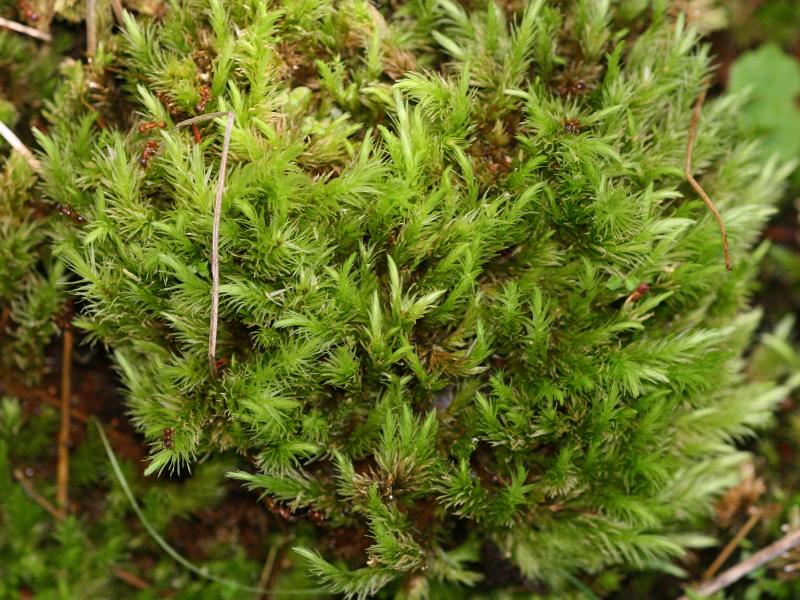
Ribbed Bog Moss
VUAulacomnium palustre
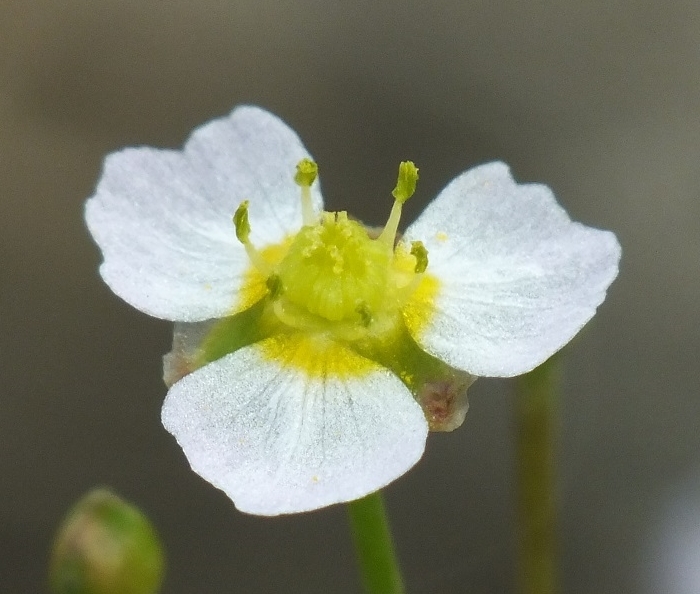
Ribbon-leaved Water-plantain
CRAlisma gramineum
Ribbon-leaved Water-plantain faces severe threats from habitat destruction due to wetland drainage, agricultural conversion, and urban development. Water pollution from agricultural runoff and industrial activities further degrades remaining aquatic habitats, while climate change alters water levels and seasonal flooding patterns critical for the species' survival.
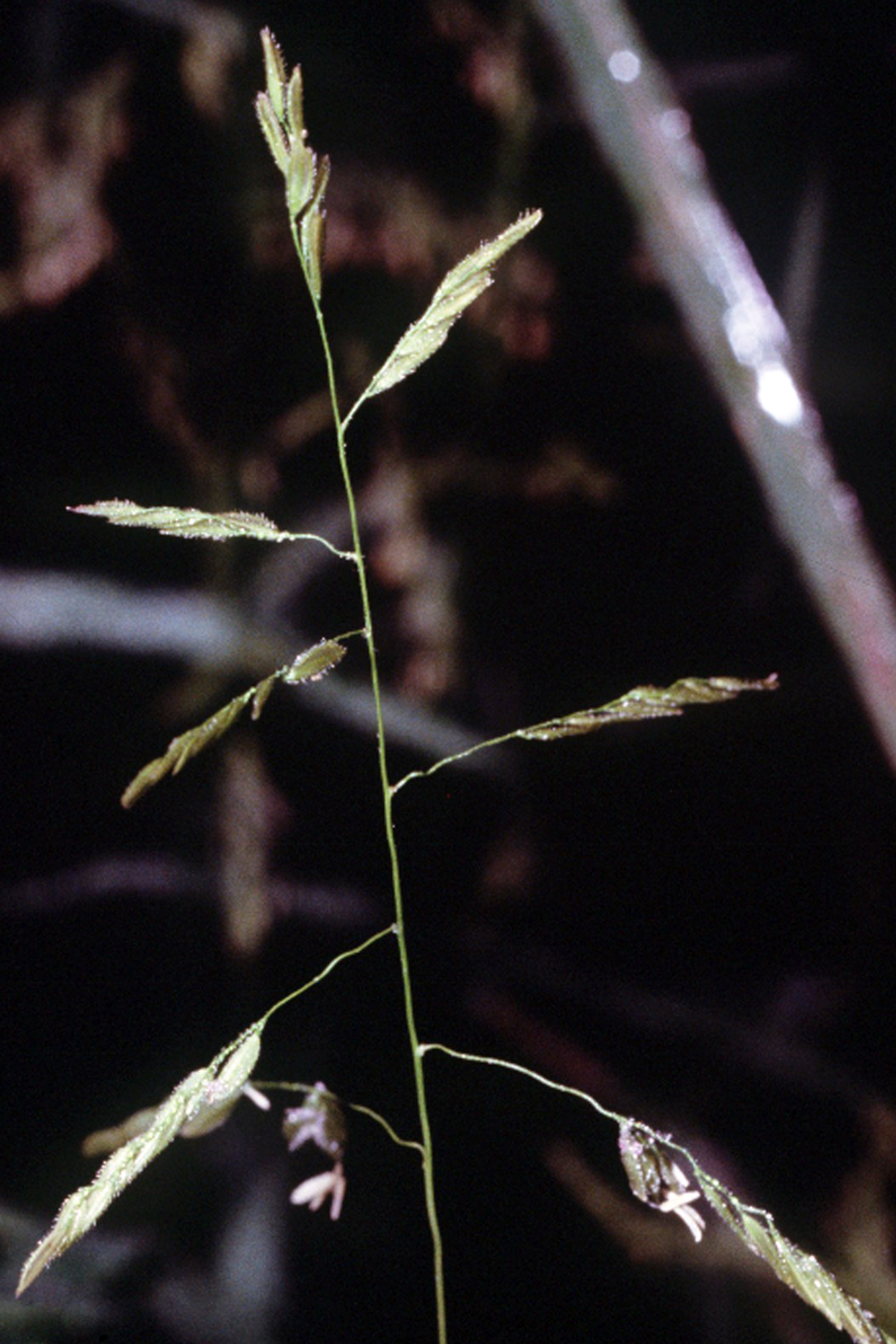
Ricegrass
VULeersia oryzoides
Richard de Berlin, Richard berlinois, Grand Bupreste du Hêtre
CRDicerca berolinensis
Dicerca berolinensis faces severe population declines due to widespread loss of mature beech forest habitats across its European range. The species' dependence on old-growth beech trees makes it particularly vulnerable to intensive forestry practices, climate change impacts on forest ecosystems, and habitat fragmentation that isolates remaining populations.

Richard des prunes
CRPtosima undecimmaculata
Ptosima undecimmaculata faces severe population declines primarily due to habitat loss from deforestation and agricultural expansion across its Mediterranean range. The species' dependence on specific host trees for larval development makes it particularly vulnerable to forest fragmentation and degradation. Climate change is exacerbating these pressures by altering the distribution and health of its preferred woodland habitats.

Richard du chêne, Grand Bupreste du Chêne
CREurythyrea quercus
The Grand Bupreste du Chêne faces severe population declines primarily due to the widespread loss and degradation of mature oak forests across its European range. Climate change and forest management practices that favor younger tree stands have significantly reduced the availability of suitable breeding habitat, while pollution and habitat fragmentation further threaten remaining populations.

Richard's Yelloweyed Grass
ENXyris jupicai

Richardson's Least Gecko
ENSphaerodactylus richardsonii
rietmarpissa
VUMarpissa radiata
rietstrekspin
ENTetragnatha striata
riftedderkopp
ENParapelecopsis nemoralis
Rigid Aloe-moss
VUAloina rigida
Rihmasuomutetra
VUPterobrycon landoni
Rimmed Wart Lichen
CRVaricellaria velata
Rimmed Wart Lichen faces severe threats from air pollution and habitat degradation, as lichens are extremely sensitive to atmospheric contaminants and changes in air quality. Climate change is altering precipitation patterns and temperature regimes in its specialized habitats, while deforestation and urban development continue to destroy the old-growth forest ecosystems this species depends upon.
Ring Pellia
VUPellia neesiana

Ringed China-mark
VUParapoynx stratiotata
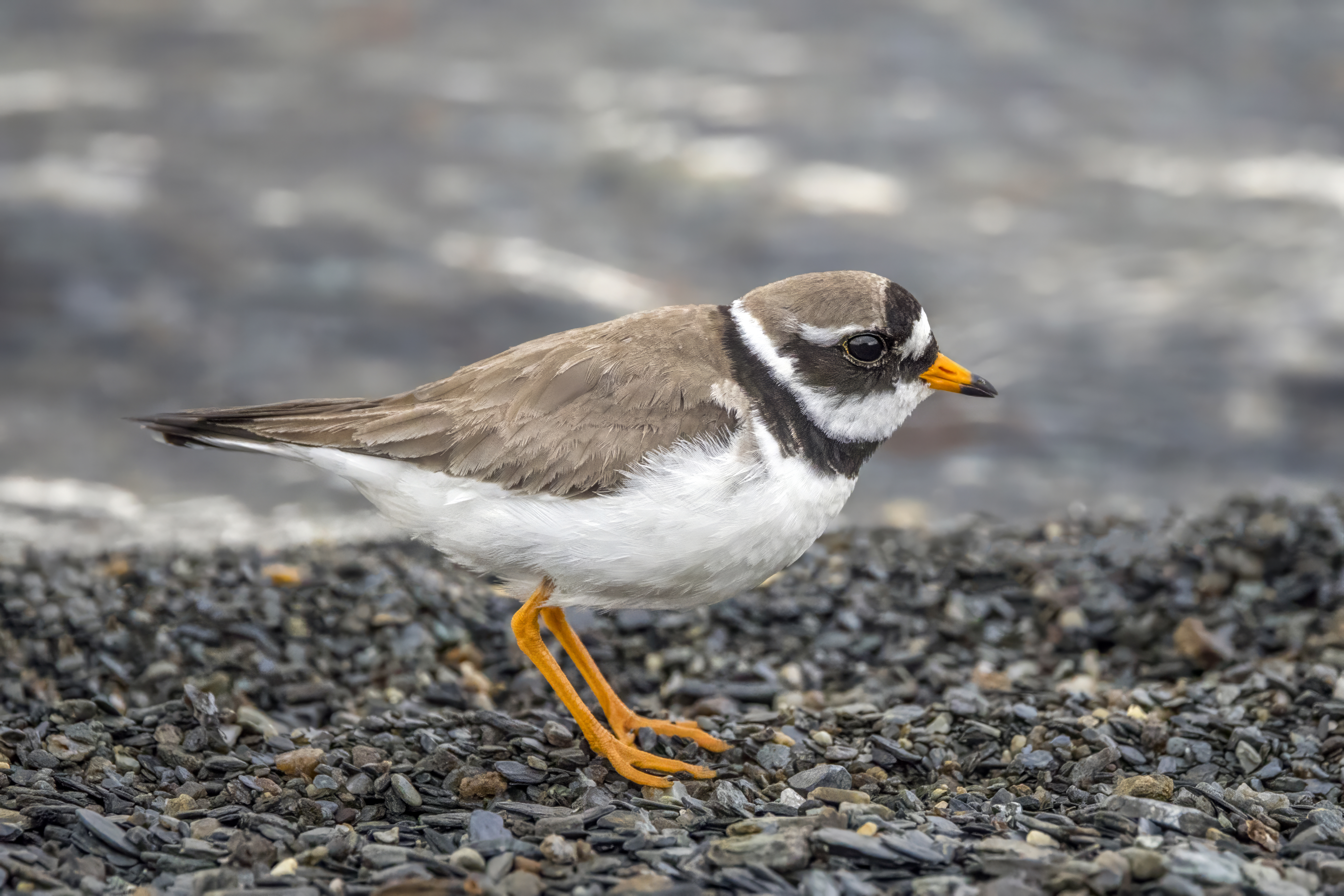
Ringed Plover, Common Ringed Plover
CRCharadrius hiaticula
The Common Ringed Plover faces severe population declines due to widespread habitat loss from coastal development, tourism infrastructure, and sea-level rise affecting critical breeding and feeding areas. Human disturbance at nesting sites, combined with predation pressure and climate change impacts on Arctic breeding grounds, has pushed many populations toward critical thresholds. Conservation status may vary by region or assessment authority, but cumulative pressures across the species' range pose significant risks.

Ringed Spinytail Iguana
VUMorunasaurus annularis

ringlav
VUEvernia divaricata

Ringlet
VUCoenonympha tullia

Ringlet
VUAphantopus hyperantus

ringpootzwartkop
VUTalavera aequipes
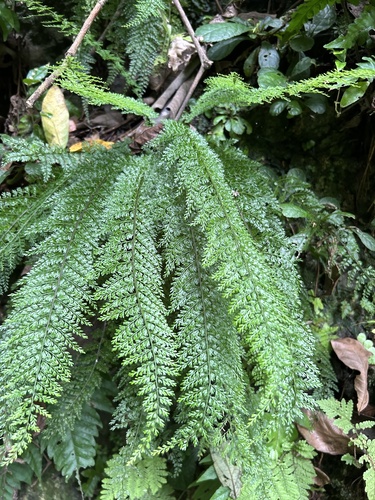
Rio Abajo spleenwort
CRAsplenium corderoanum
The Rio Abajo spleenwort faces severe threats from habitat destruction and fragmentation due to deforestation, agricultural expansion, and urban development in Puerto Rico's limestone karst regions. Its extremely limited distribution and small population size make it highly vulnerable to environmental changes and human disturbances. The species' specialized habitat requirements and slow reproductive rate further compound its risk of extinction.

Rio Azuela Glass Frog
VUHyalinobatrachium pellucidum
Rio Mutum frog
VUDasypops schirchi

Rio Rocket Frog
VUAllobates olfersioides

Rio Suno Antwren
VUMyrmotherula sunensis

Ripart's Anomalous Blue
CRPolyommatus ripartii
Ripart's Anomalous Blue faces severe threats from habitat loss and fragmentation due to agricultural intensification and urban development across its limited Mediterranean range. Climate change poses additional risks by altering the delicate ecological conditions required for both the butterfly and its host plants, while small, isolated populations are increasingly vulnerable to local extinctions.
Risdon Peppermint
VUEucalyptus risdoni
Rissige Gewebehaut
VUAthelopsis lacerata
River Bristle-moss
ENOrthotrichum rivulare

River Skater
CRAquarius najas
The River Skater faces severe threats from habitat degradation due to water pollution, dam construction, and urban development along waterways. Climate change is altering water flow patterns and temperatures in the specific stream environments this species requires, while invasive species compete for resources and disrupt the delicate surface tension dynamics essential for their survival.
River Thyme-moss
ENPseudobryum cinclidioides