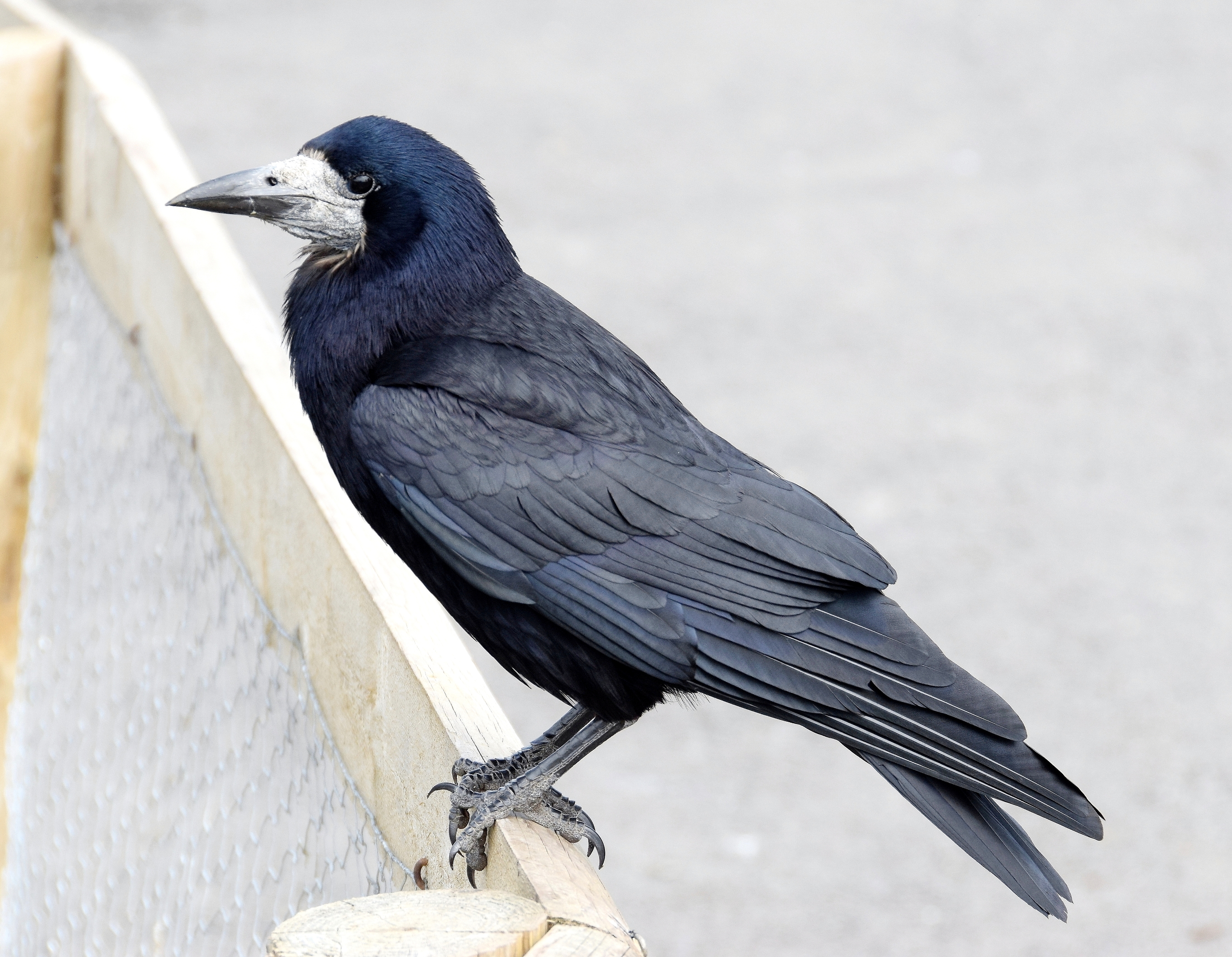
Rook
Corvus frugilegus
Photo: Wikimedia Commons (CC) via https://en.wikipedia.org/wiki/Rook_(bird)
Overview
A detailed profile for this species is sourced from the IUCN Red List of Threatened Species as assessments become available.
Rook populations have declined significantly across much of their European range due to intensive agricultural practices that reduce invertebrate prey availability and eliminate traditional nesting sites. Modern farming methods, including increased pesticide use and the removal of hedgerows and mature trees, have fragmented suitable habitat. Climate change is altering the timing of peak invertebrate abundance, potentially disrupting the species' breeding cycle and chick-rearing success.
Habitat
Rooks inhabit agricultural landscapes with a mosaic of cultivated fields, grasslands, and scattered mature trees or woodlands for nesting. They require open areas for foraging on invertebrates and seeds, combined with tall trees for their characteristic colonial rookeries.
Other threatened species in Corvidae


Frequently asked questions
Why is Rook classified as Vulnerable?
Where does Rook live?
What are the main threats to Rook?
Get weekly conservation intelligence
One short digest a week of the most striking species and country data we ship, plus breaking conservation news paired with our database where it matters.
Free, no spam. One-click unsubscribe in every email.