
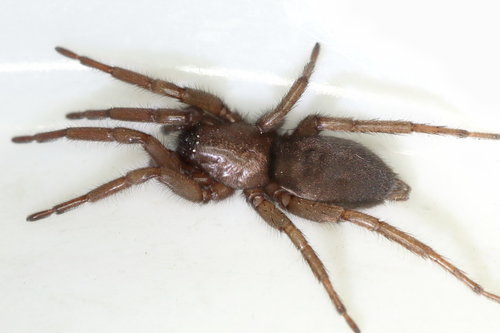
Gnaphosa bicolor
Photo: Wikimedia Commons (CC) via https://en.wikipedia.org/wiki/Gnaphosa_bicolor
Overview
A detailed profile for this species is sourced from the IUCN Red List of Threatened Species as assessments become available.
Gnaphosa bicolor faces significant pressure from habitat degradation in its specialized coastal and sandy environments. Urban development and recreational activities along coastlines have reduced available nesting sites, while changes in vegetation structure from invasive plant species alter the microhabitat conditions this ground-dwelling spider requires. Climate change poses additional risks through altered precipitation patterns that affect prey availability and soil moisture levels critical for the species' survival.
Habitat
This ground-dwelling spider inhabits sandy coastal areas, dunes, and dry grasslands with sparse vegetation. It constructs silk-lined burrows in loose sandy soils and is typically found in areas with low vegetation cover that provide suitable hunting grounds for its nocturnal predatory behavior.
Other threatened species in Gnaphosidae
Threatened in Åland Islands


Frequently asked questions
Why is Gnaphosa bicolor classified as Vulnerable?
Where does Gnaphosa bicolor live?
What are the main threats to Gnaphosa bicolor?
Get weekly conservation intelligence
One short digest a week of the most striking species and country data we ship, plus breaking conservation news paired with our database where it matters.
Free, no spam. One-click unsubscribe in every email.