Chaenothecopsis haematopus
Overview
A detailed profile for this species is sourced from the IUCN Red List of Threatened Species as assessments become available.
Chaenothecopsis haematopus faces severe decline due to the loss of old-growth coniferous forests, particularly those containing ancient spruce and pine trees with suitable bark chemistry. Air pollution and acid rain have altered the pH of bark substrates, making them unsuitable for this specialized lichen species. Forest management practices that remove dead and dying trees eliminate the specific microhabitats this species requires for reproduction and survival.
Habitat
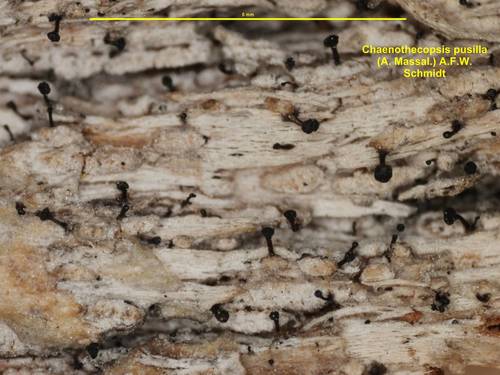
This specialized lichen species inhabits the bark of old coniferous trees, particularly ancient spruce and pine in boreal and montane forests. It requires specific bark chemistry conditions and is typically found on trees that are several decades to centuries old.
Other threatened species in Mycocaliciaceae
Frequently asked questions
Why is Chaenothecopsis haematopus classified as Vulnerable?
Where does Chaenothecopsis haematopus live?
What are the main threats to Chaenothecopsis haematopus?
Get weekly conservation intelligence
One short digest a week of the most striking species and country data we ship, plus breaking conservation news paired with our database where it matters.
Free, no spam. One-click unsubscribe in every email.