Species Explorer
Browse and search species from the IUCN Red List and GBIF.
54,666 species

rosenryggat ordensfly
VUCatocala pacta
Rosetillo de costa
CRBonellia bissei
Rosetillo de costa faces severe threats from habitat destruction due to coastal development and tourism infrastructure along Cuba's coastlines. The species' extremely limited distribution makes it highly vulnerable to local extinctions, while climate change-induced sea level rise and increased storm intensity further threaten its specialized coastal habitat.
rosettblekklav
ENPlacynthium lismorense

Rosette Pixie-cup Lichen
CRCladonia pocillum
The Rosette Pixie-cup Lichen faces severe decline primarily due to habitat loss from agricultural expansion and urban development in its limited range. Air pollution and climate change further threaten this sensitive species, which requires very specific environmental conditions to survive.
Rosette Tooth
ENHydnellum cumulatum
rosettheppia
ENHeppia adglutinata

rosewoodtree
CRAniba rosaeodora
The rosewood tree faces severe population decline due to intensive harvesting for its highly valuable rosewood oil, extracted from the heartwood and used in perfumery and cosmetics. Decades of unsustainable exploitation combined with habitat loss from deforestation in the Amazon basin have drastically reduced wild populations, making this species critically endangered.
Rosier inodore
VURosa inodora
Rossetti's Pouncewort
CRCololejeunea rossettiana
Rossetti's Pouncewort faces severe threats from habitat destruction and degradation of its specialized epiphytic environments. The species' extremely limited distribution and specific microhabitat requirements make it highly vulnerable to environmental changes and human disturbance. Climate change and altered precipitation patterns further threaten the delicate moisture balance required for this bryophyte's survival.
rosskivlav
CRLecidea roseotincta
Rosskivlav faces severe threats from climate change and air pollution, which degrade the pristine Arctic and alpine environments it requires. Its extremely limited distribution and specialized habitat requirements make it highly vulnerable to environmental changes, with small population sizes offering little resilience against disturbances.

Rostand's Paa Frog
VUNanorana rostandi

Rostbrauner Plattkäfer
ENPediacus depressus

Rostroter Körnchenschirmling
VUCystodermella granulosa

rostskinn
VUCrustoderma dryinum

Rosy Earthstar
ENGeastrum rufescens

Rosy Grizzled Skipper
CRPyrgus onopordi
The Rosy Grizzled Skipper faces severe threats from habitat loss and degradation due to agricultural intensification, urban development, and abandonment of traditional land management practices. Climate change poses additional risks by potentially altering the plant communities and environmental conditions in its specialized dry grassland habitat.
Rosy Pinkgill
ENEntoloma roseum

Rosy-striped Knot-horn
VUOncocera semirubella
Rotbrauner Risspilz
VUInocybe splendens
Rötender Mehlschirmling
ENCystolepiota hetieri

Rötender Schafporling
VUAlbatrellus subrubescens

Rotfleckender Schwindling
CRRhizomarasmius undatus
Rhizomarasmius undatus faces severe threats from habitat destruction and degradation of its specialized forest ecosystems. The species' limited distribution and specific ecological requirements make it particularly vulnerable to environmental changes and human disturbance. Climate change and altered precipitation patterns further threaten the delicate moisture conditions essential for this fungus.
Rothaariger Rötling
ENEntoloma strigosissimum

Rothschild's Peacock-pheasant
VUPolyplectron inopinatum

rotklubba
VUSclerophora pallida
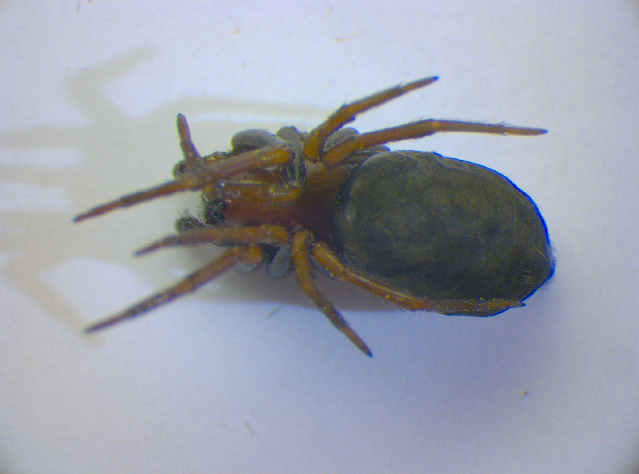
rotskaardespin
CRTitanoeca quadriguttata
The rotskaardespin faces primary threats from habitat destruction caused by quarrying operations and urban development that eliminate rocky outcrop environments. Climate change poses additional risks by altering the microclimate conditions within rock crevices that the species depends upon for survival.

Rough Hawkbit
ENLeontodon hispidus
rough shrubverbena
VULantana strigosa

Rough-skinned Sea Anemone
VUActinostola callosa
Roughskin Skate
ENDipturus trachyderma
Round Stump Moss
VUHerzogiella striatella
Round-headed Club-rush
CRScirpoides holoschoenus
Round-headed Club-rush faces severe threats from wetland habitat destruction and degradation due to agricultural conversion, urban development, and water management practices that alter natural hydrological regimes. Climate change-induced shifts in precipitation patterns and increased frequency of extreme weather events further threaten the specialized wetland ecosystems this species depends upon.
Round-leaved Feather-moss
ENRhynchostegium rotundifolium

Round-leaved Fluellen
ENKickxia spuria

Round-winged Sweep
VUEpichnopterix plumella
rounded bubblegum coral
VUPlerogyra discus

Rounded Earthstar
ENGeastrum saccatum

Roundleaf Sundew
VUDrosera rotundifolia
roundleaf waterlily
VUNymphaea conardii

Rouwende gouden tor
ENOxythyrea funesta
Rove beetle
ENTrichonyx sulcicollis

Royal Fern
CROsmunda regalis
Royal Fern faces significant decline primarily due to habitat destruction from wetland drainage, agricultural conversion, and urban development. Climate change and altered hydrology further threaten the moist, nutrient-rich environments this species requires for survival.
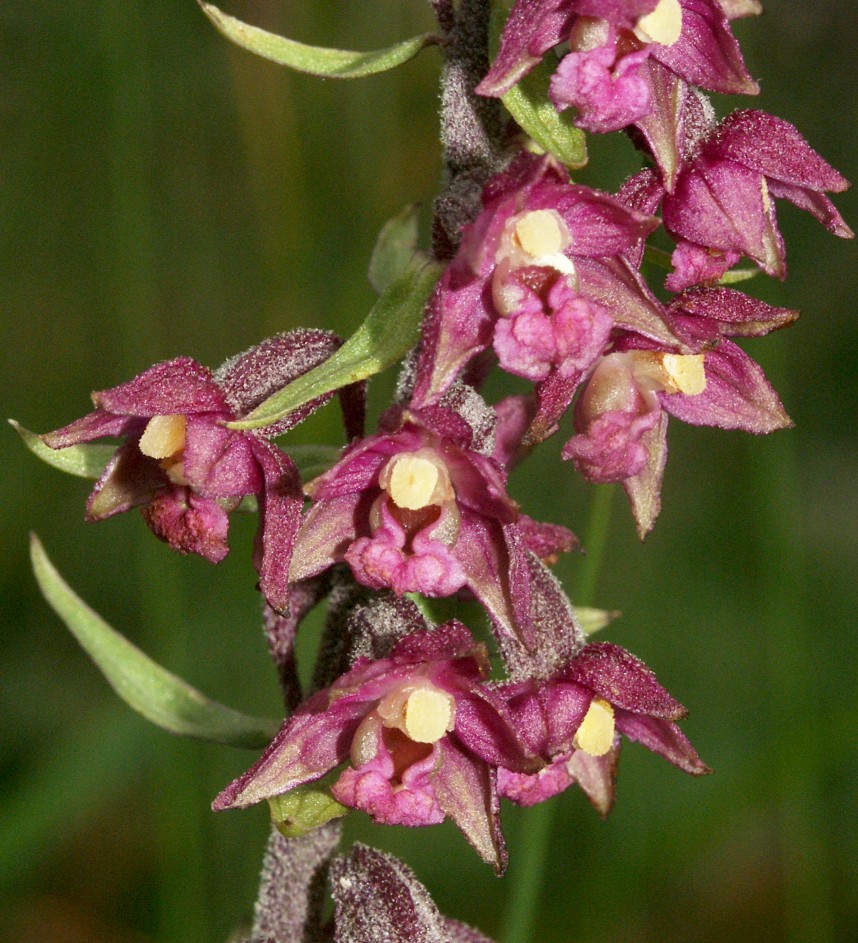
Royal Helleborine
CREpipactis atrorubens
Royal Helleborine faces severe population declines due to habitat destruction from agricultural expansion, urban development, and quarrying activities that destroy its specialized calcareous substrates. Climate change and altered precipitation patterns threaten the delicate moisture balance required for this orchid's survival, while overcollection by orchid enthusiasts has further reduced wild populations.

Royal Sunangel
ENHeliangelus regalis

Royal Tern
CRThalasseus maximus
Royal Terns face severe threats from coastal development and human disturbance at their critical nesting colonies, where they breed in dense aggregations on sandy beaches and barrier islands. Climate change-induced sea level rise and increased storm intensity threaten to inundate their low-lying nesting sites, while pollution and overfishing reduce their marine prey availability. Conservation status may vary by region or assessment authority.
royrødspore
VUEntoloma kristiansenii
Roze kegelblindwants
ENConostethus roseus
Ruby Whiteface
VULeucorrhinia rubicunda
Ruda
ENPlethadenia cubensis

Ruddy Carpet
VUCatarhoe rubidata