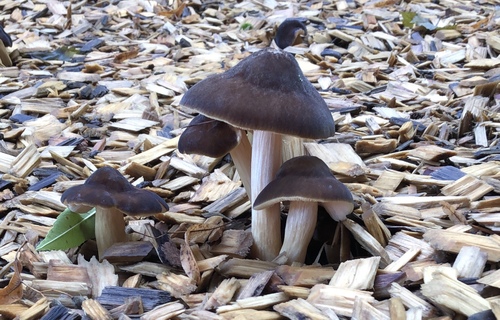
Pluteus roseipes
Photo: Photo: (c) Claudia Birke, all rights reserved, uploaded by Claudia Birke
Overview
A detailed profile for this species is sourced from the IUCN Red List of Threatened Species as assessments become available.
Pluteus roseipes faces severe population declines due to widespread habitat destruction and degradation of old-growth forest ecosystems. The species' dependence on specific deadwood substrates makes it particularly vulnerable to intensive forest management practices and climate-induced changes in forest composition.
Habitat
Mature deciduous and mixed forests with abundant coarse woody debris, particularly on decaying hardwood logs and stumps in humid, shaded understory environments. Requires stable moisture conditions and minimal disturbance typical of old-growth forest ecosystems.
Frequently asked questions
Why is Pluteus roseipes classified as Critically Endangered?
Where does Pluteus roseipes live?
What are the main threats to Pluteus roseipes?
Get weekly conservation intelligence
One short digest a week of the most striking species and country data we ship, plus breaking conservation news paired with our database where it matters.
Free, no spam. One-click unsubscribe in every email.