
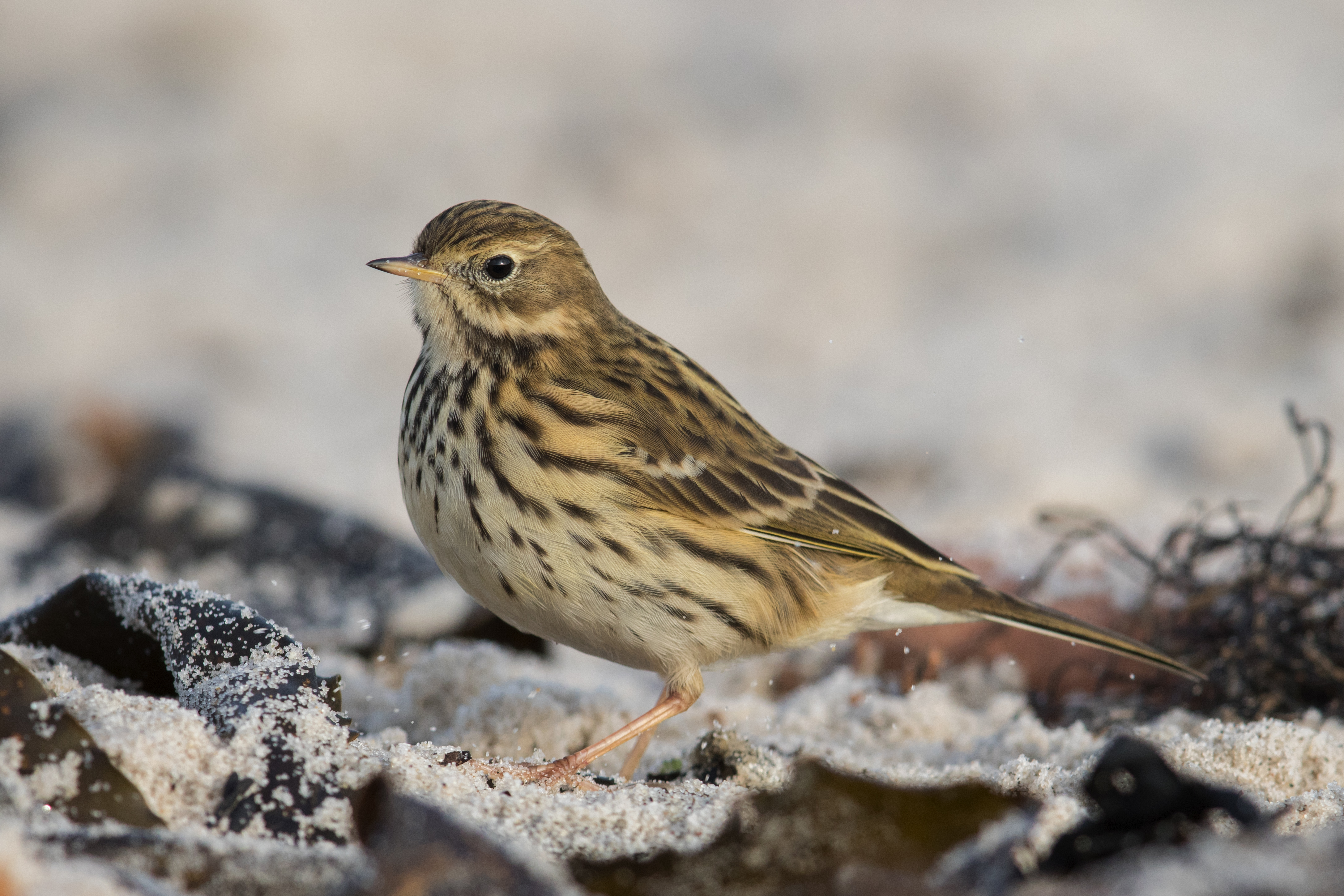
Eurasian Rock Pipit
Anthus petrosus
Photo: Wikimedia Commons (CC) via https://en.wikipedia.org/wiki/European_rock_pipit
Overview
A detailed profile for this species is sourced from the IUCN Red List of Threatened Species as assessments become available.
The Rock Pipit faces severe population declines primarily due to coastal habitat degradation from sea-level rise and increased storm intensity associated with climate change. Coastal development and human disturbance at breeding sites have reduced available nesting habitat, while pollution from marine plastics and oil spills affects both the birds and their invertebrate prey sources. Agricultural intensification in adjacent coastal grasslands has further diminished foraging opportunities during winter months.
Habitat
Rock Pipits inhabit rocky coastlines, sea cliffs, and adjacent coastal grasslands, typically nesting in crevices among rocks or under vegetation near the high-tide line. During winter, they may move to saltmarshes, estuaries, and coastal fields where they forage for insects, marine invertebrates, and small crustaceans.
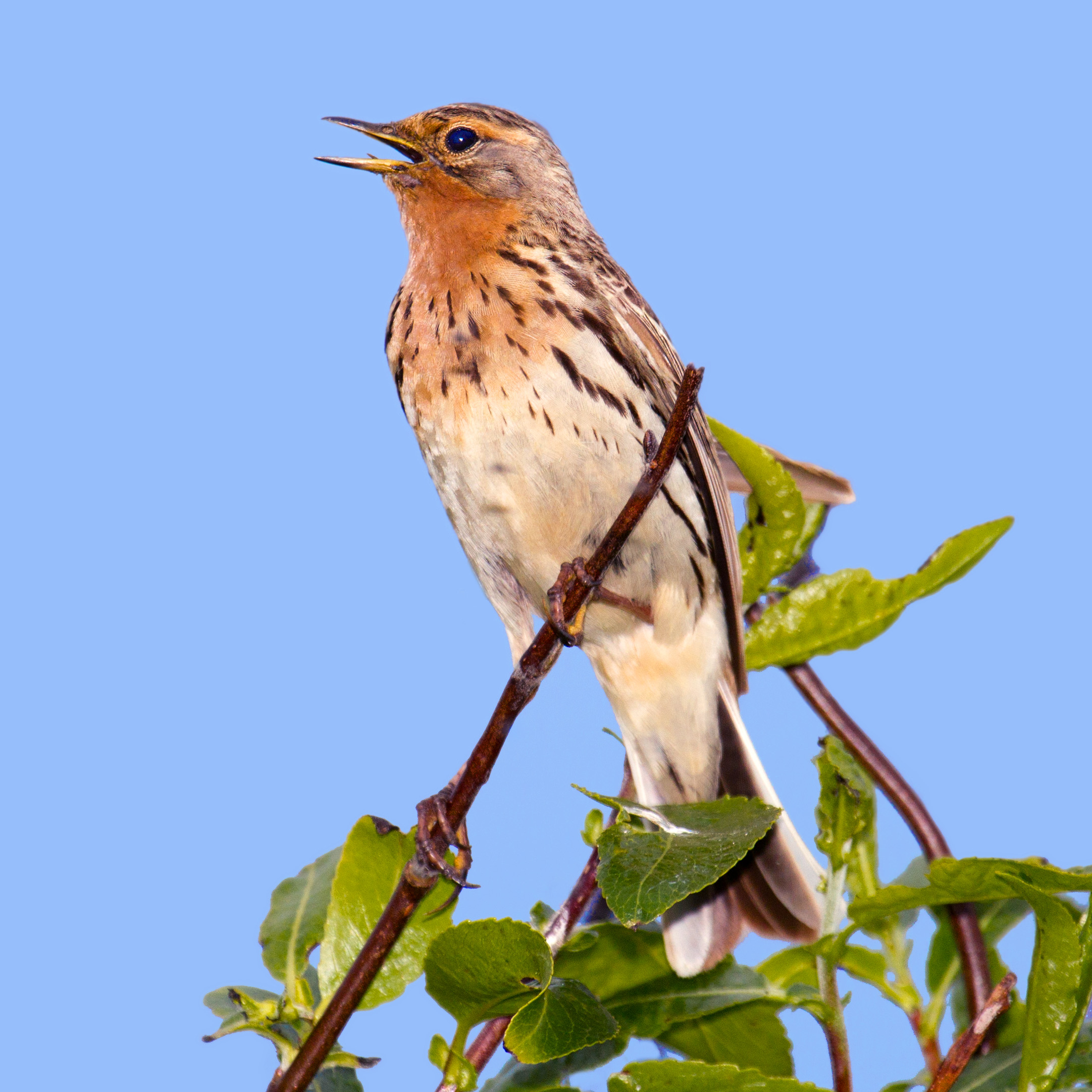
Other threatened species in Motacillidae


Frequently asked questions
Why is Eurasian Rock Pipit classified as Endangered?
Where does Eurasian Rock Pipit live?
What are the main threats to Eurasian Rock Pipit?
Get weekly conservation intelligence
One short digest a week of the most striking species and country data we ship, plus breaking conservation news paired with our database where it matters.
Free, no spam. One-click unsubscribe in every email.