
Mountain Oakmoss Lichen
Evernia divaricata
Photo: Wikimedia Commons (CC) via https://en.wikipedia.org/wiki/Evernia_divaricata
Overview
A detailed profile for this species is sourced from the IUCN Red List of Threatened Species as assessments become available.
Ringlav faces severe decline due to air pollution, particularly sulfur dioxide and nitrogen compounds that accumulate in its thallus and disrupt photosynthesis. Habitat fragmentation from deforestation and urban development has reduced suitable host trees, while climate change alters moisture patterns essential for this lichen's survival. Industrial emissions and acid rain continue to degrade air quality across its range, making previously suitable habitats uninhabitable.
Habitat
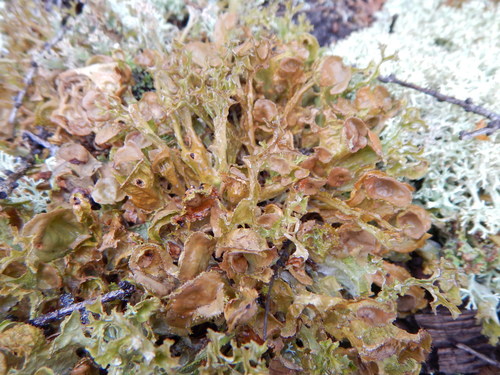
Ringlav grows on the bark of deciduous trees, particularly oak and maple, in temperate forests with high humidity and clean air. This epiphytic lichen requires stable microclimates with consistent moisture levels and minimal air pollution to establish and maintain healthy populations.
Other threatened species in Parmeliaceae


Frequently asked questions
Why is Mountain Oakmoss Lichen classified as Vulnerable?
Where does Mountain Oakmoss Lichen live?
What are the main threats to Mountain Oakmoss Lichen?
Get weekly conservation intelligence
One short digest a week of the most striking species and country data we ship, plus breaking conservation news paired with our database where it matters.
Free, no spam. One-click unsubscribe in every email.