
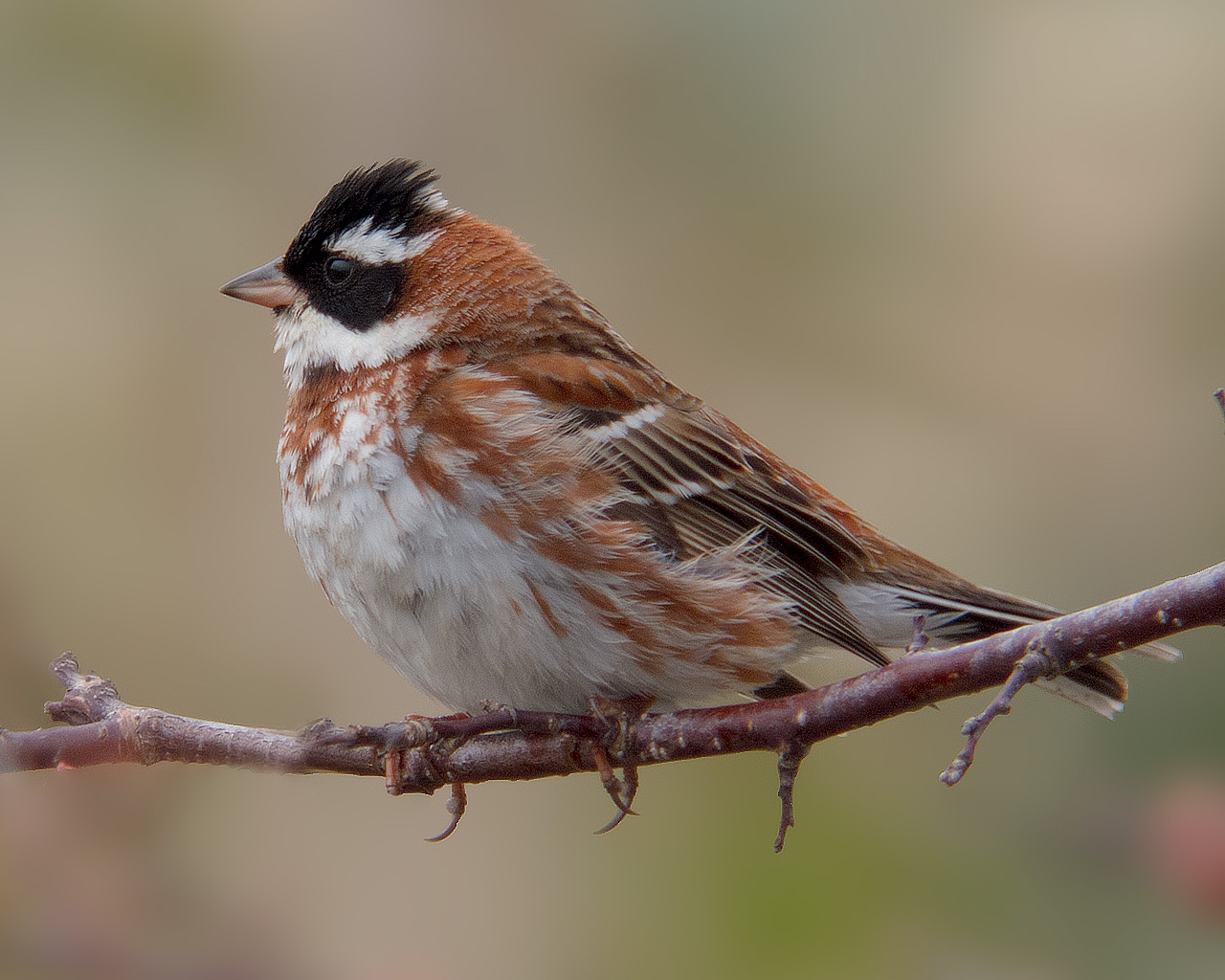
Common Reed Bunting
Emberiza schoeniclus
Photo: Wikimedia Commons (CC) via https://en.wikipedia.org/wiki/Common_reed_bunting
Overview
A detailed profile for this species is sourced from the IUCN Red List of Threatened Species as assessments become available.
Reed Bunting populations have declined dramatically across Europe due to intensive agricultural practices that have eliminated traditional wet meadows and reed beds. Drainage of wetlands for agriculture and urban development has destroyed critical breeding habitat, while increased use of pesticides has reduced insect prey availability during the crucial nestling period. Climate change is altering precipitation patterns, affecting the water levels essential for maintaining suitable reed bed ecosystems.
Habitat
Reed Buntings inhabit wetland margins, reed beds, marshy areas, and damp grasslands with scattered bushes or tall vegetation for nesting. They also utilize agricultural areas with ditches, wet meadows, and scrubland adjacent to water sources.
Other threatened species in Emberizidae



Frequently asked questions
Why is Common Reed Bunting classified as Endangered?
Where does Common Reed Bunting live?
What are the main threats to Common Reed Bunting?
Get weekly conservation intelligence
One short digest a week of the most striking species and country data we ship, plus breaking conservation news paired with our database where it matters.
Free, no spam. One-click unsubscribe in every email.