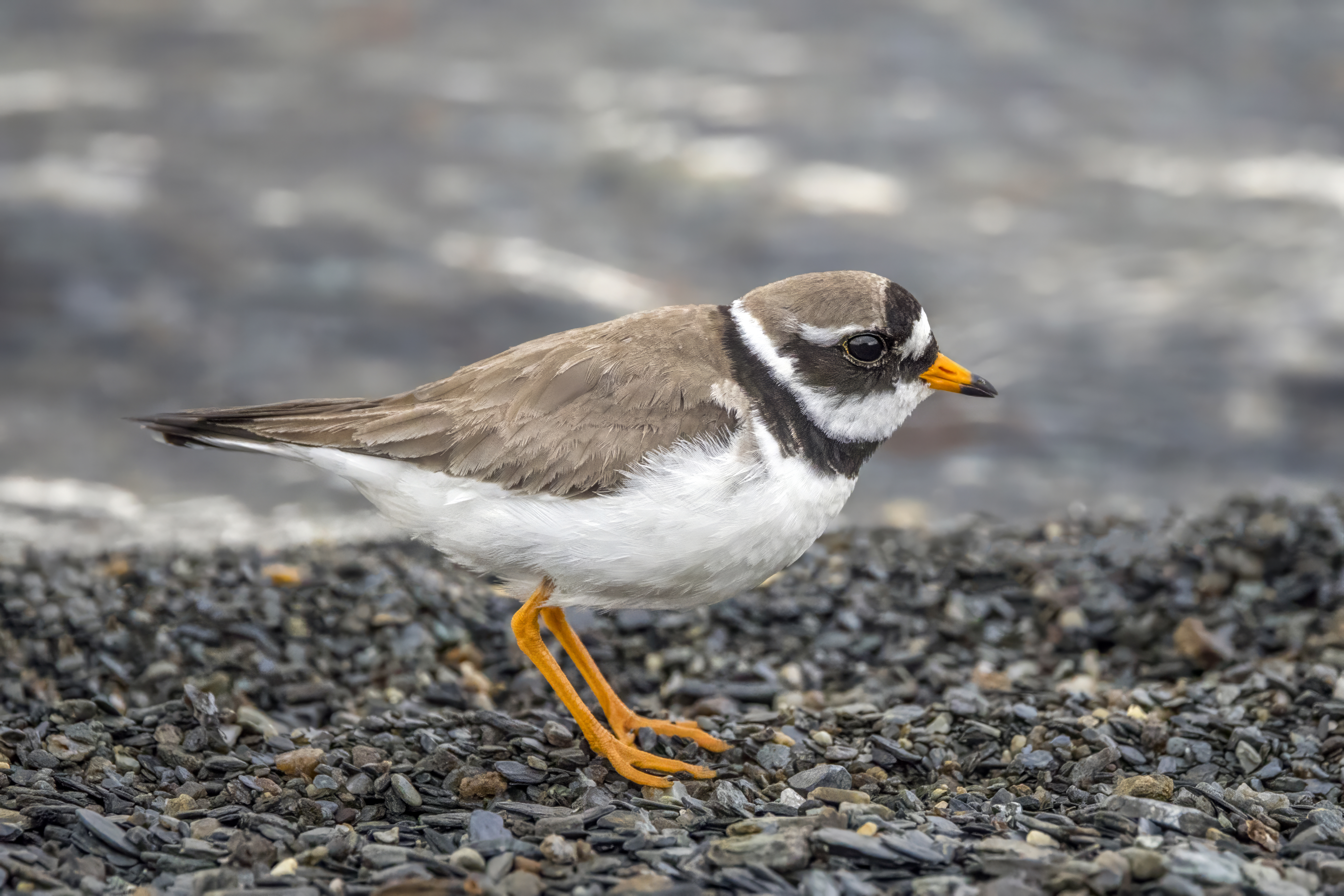
Common Ringed Plover
Charadrius hiaticula
Photo: Wikimedia Commons (CC) via https://en.wikipedia.org/wiki/Common_ringed_plover
Overview
A small, compact shorebird, the Common Ringed Plover is distinguished by its orange legs, short orange-and-black bill, and a bold black breast band set against a white underside and brown upperparts. It forages using a characteristic run-stop-peck technique, feeding on invertebrates such as insects, marine worms, and small crustaceans found on open sand, mud, and gravel. As a migratory species, it plays a role in coastal and tundra food webs, both as predator of invertebrates and prey for larger birds and mammals.
The species has an extensive circumpolar and migratory range, breeding across Arctic and subarctic regions including Greenland, Svalbard, Scandinavia, Russia, and Canada, and wintering along coastlines throughout Europe, Africa, the Middle East, and parts of Asia. It relies on freshwater, marine, and terrestrial habitats, particularly beaches, estuaries, tundra, and gravel banks, nesting directly on open ground.
Its ground-nesting habit makes it especially vulnerable to coastal habitat loss and degradation, human disturbance at breeding and roosting sites, and increasing tourism and recreational pressure on beaches. Sea-level rise and coastal erosion are reducing available nesting and foraging habitat, while climate change is altering conditions on Arctic breeding grounds where the species depends on narrow seasonal windows for reproduction.
Conservation efforts include protection of key coastal and estuarine sites, seasonal beach access restrictions during breeding periods, habitat restoration projects, and ongoing population monitoring through international shorebird survey networks. Population trend data remain unknown, complicating precise assessment of recovery or decline. Given the breadth and persistence of pressures across its breeding and wintering ranges, the species' long-term outlook depends heavily on effective coastal management and climate adaptation measures in Arctic and temperate zones alike.
The Common Ringed Plover is losing its coastal beach and shoreline homes due to construction and erosion, while rising sea levels are washing away more of these areas over time. People visiting beaches for recreation and tourism disturb the birds while they're trying to nest and rest, and warming temperatures are altering the Arctic breeding grounds they depend on. These combined pressures on both breeding and coastal habitats appear to be ongoing and intensifying rather than easing.
Habitat
Sandy and shingle beaches, mudflats, salt marshes, and coastal lagoons for feeding and roosting, with breeding occurring on Arctic tundra, coastal dunes, and gravelly shorelines. The species also utilizes inland wetlands, lake shores, and river margins during migration and winter periods.
Other threatened species in Charadriidae
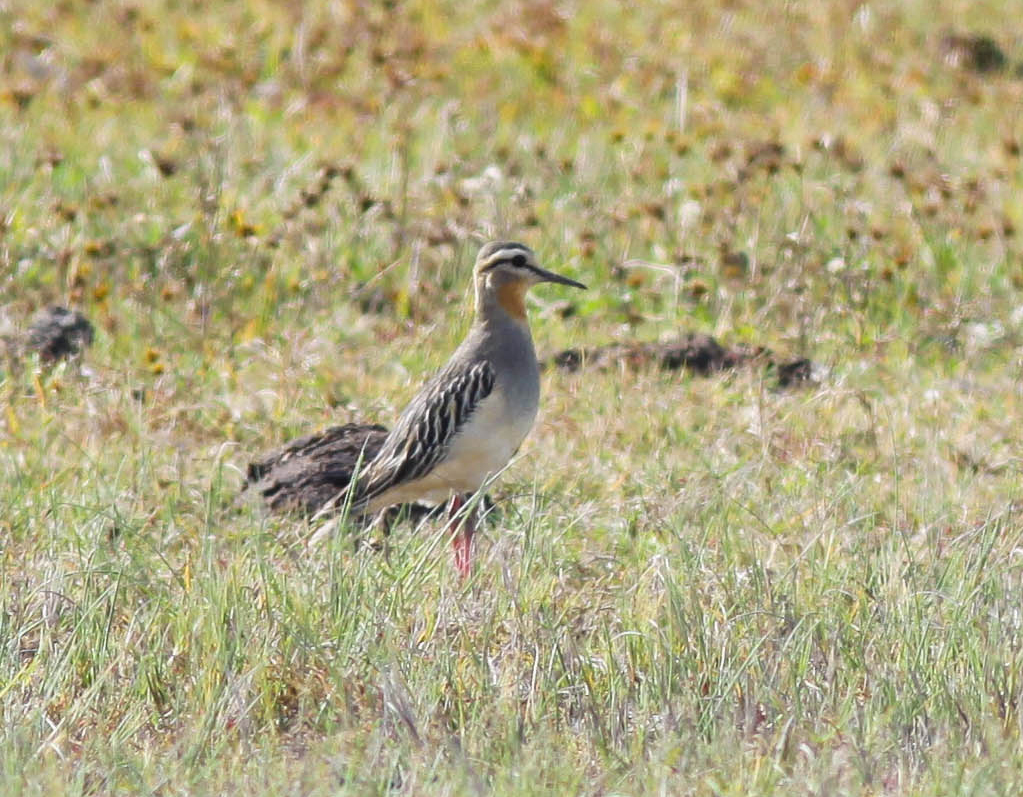
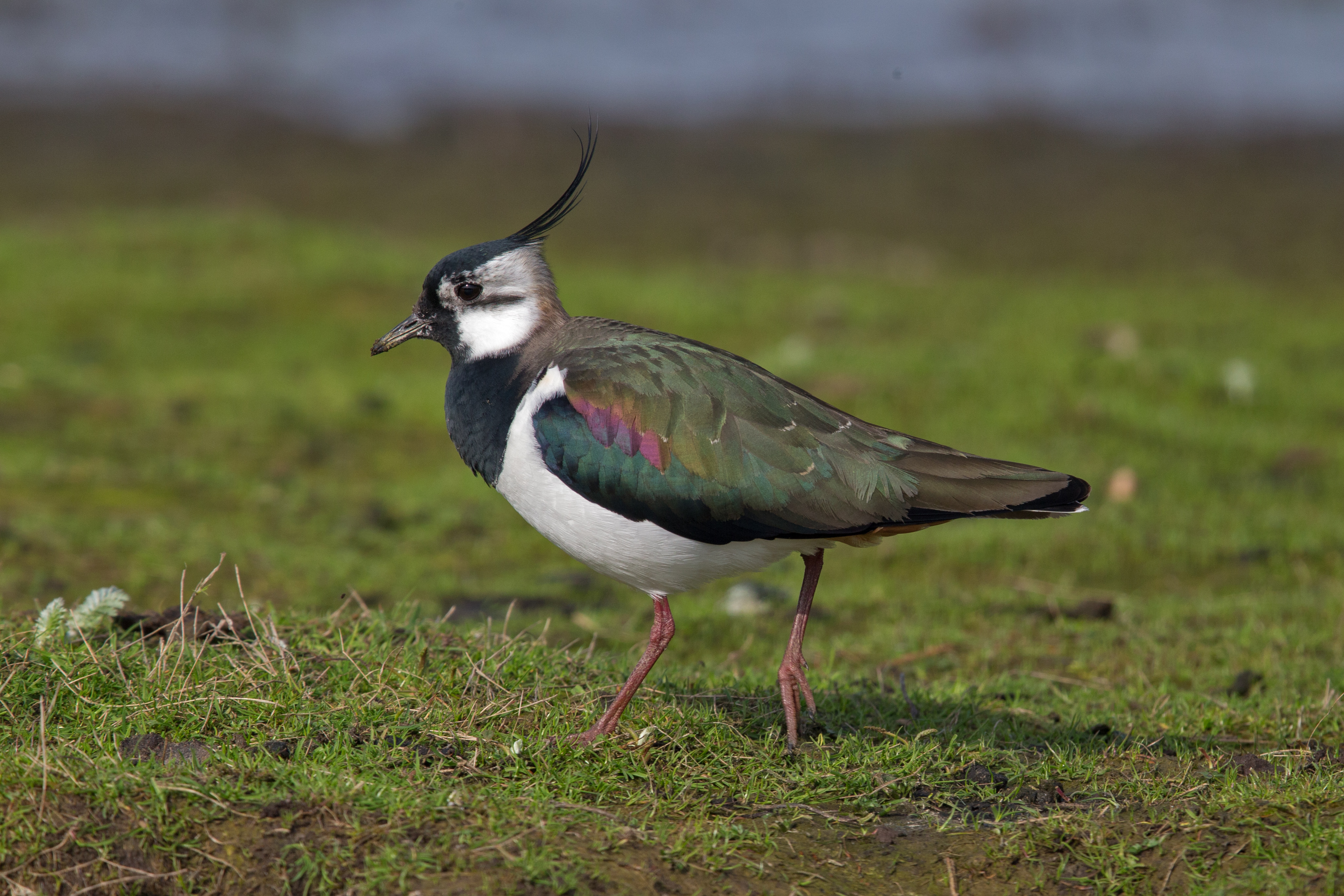


Threatened in Afghanistan

Frequently asked questions
Why is Common Ringed Plover classified as Critically Endangered?
Where does Common Ringed Plover live?
What are the main threats to Common Ringed Plover?
Get weekly conservation intelligence
One short digest a week of the most striking species and country data we ship, plus breaking conservation news paired with our database where it matters.
Free, no spam. One-click unsubscribe in every email.