
CORE
Tringa totanus
Photo: Wikimedia Commons (CC) via https://en.wikipedia.org/wiki/Common_redshank
Overview
A detailed profile for this species is sourced from the IUCN Red List of Threatened Species as assessments become available.
Common redshank populations have declined by over 50% across much of their European range since the 1970s, primarily due to agricultural intensification that has eliminated traditional wet meadow breeding habitats. Coastal development and sea-level rise threaten critical wintering areas, while drainage of wetlands for agriculture continues to reduce available nesting sites. Climate change is shifting the timing of peak invertebrate abundance, potentially creating mismatches with breeding cycles.
Habitat
Common redshanks breed in wet grasslands, saltmarshes, moorlands, and coastal meadows across temperate Eurasia, requiring areas with soft soil for probing and nearby water sources. During winter, they concentrate in estuaries, mudflats, and coastal lagoons where they feed on marine invertebrates in intertidal zones.
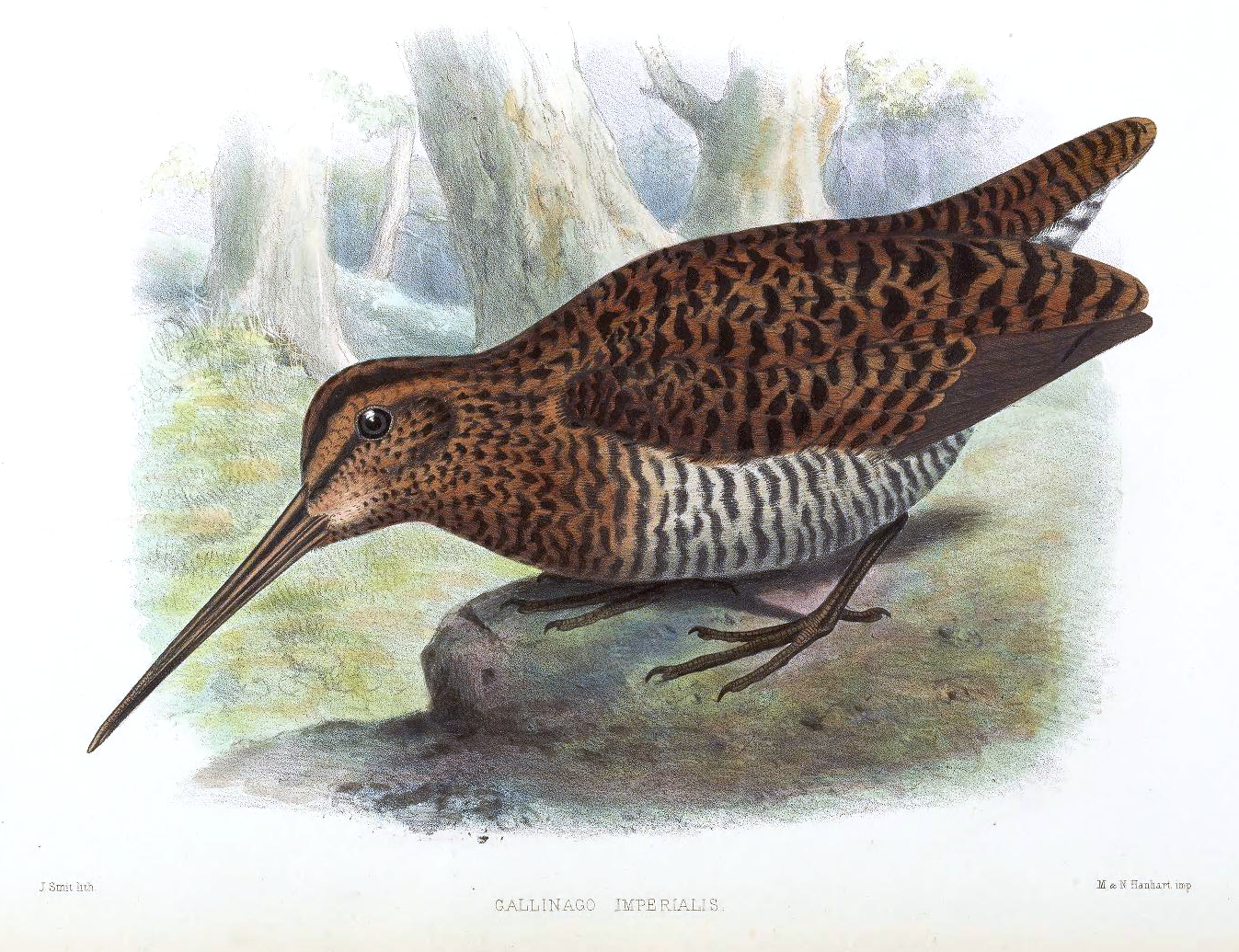
Other threatened species in Scolopacidae


Frequently asked questions
Why is CORE classified as Vulnerable?
Where does CORE live?
What are the main threats to CORE?
Get weekly conservation intelligence
One short digest a week of the most striking species and country data we ship, plus breaking conservation news paired with our database where it matters.
Free, no spam. One-click unsubscribe in every email.