Species Explorer
Browse and search species from the IUCN Red List and GBIF.
54,666 species
randmaskros
CRTaraxacum rubrolineatum
Taraxacum rubrolineatum faces severe threats from habitat loss due to agricultural expansion and urban development in its limited range. Climate change poses additional risks through altered precipitation patterns and temperature shifts that affect its specialized alpine and subalpine habitat requirements.
Randstøvet skållav
VUPunctelia jeckeri

Rannoch-rush
ENScheuchzeria palustris
ranunkelvivel
CRBagous czwalinai
Ranunkelvivel faces severe threats from habitat degradation and loss of its specialized wetland environments. The species' dependence on specific aquatic plant hosts makes it particularly vulnerable to water pollution, drainage of wetlands, and changes in water quality that affect its food sources.
Rap rødblad
ENEntoloma viiduense

Rarotonga Starling
VUAplonis cinerascens

Raspabalsa
CRSturisomatichthys frenatum
Sturisomatichthys frenatum faces severe threats from habitat degradation due to deforestation, agricultural expansion, and water pollution in its native South American river systems. Dam construction and water diversions have fragmented populations and altered critical flow regimes. The species' limited distribution and specialized habitat requirements make it particularly vulnerable to environmental changes.
raspdvärgbågmossa
ENPseudoleskeella papillosa

rattle grasshopper
VUPsophus stridulus
Rautensporiger Rasling
ENLyophyllum deliberatum

Raven
VUCorvus corax
rävfibbla
ENHieracium altipes
Ray Fern
VUActinostachys pennula

Ray Spider
ENTheridiosoma gemmosum
Red Balau
CRShorea kunstleri
Red Balau faces severe threats from extensive deforestation and habitat conversion throughout its native range in Southeast Asia, particularly due to palm oil plantations, logging operations, and agricultural expansion. The species' slow growth rate and specific habitat requirements make recovery extremely difficult once populations are fragmented or eliminated. Conservation status may vary by region or assessment authority, but the overall trajectory indicates critical population declines.
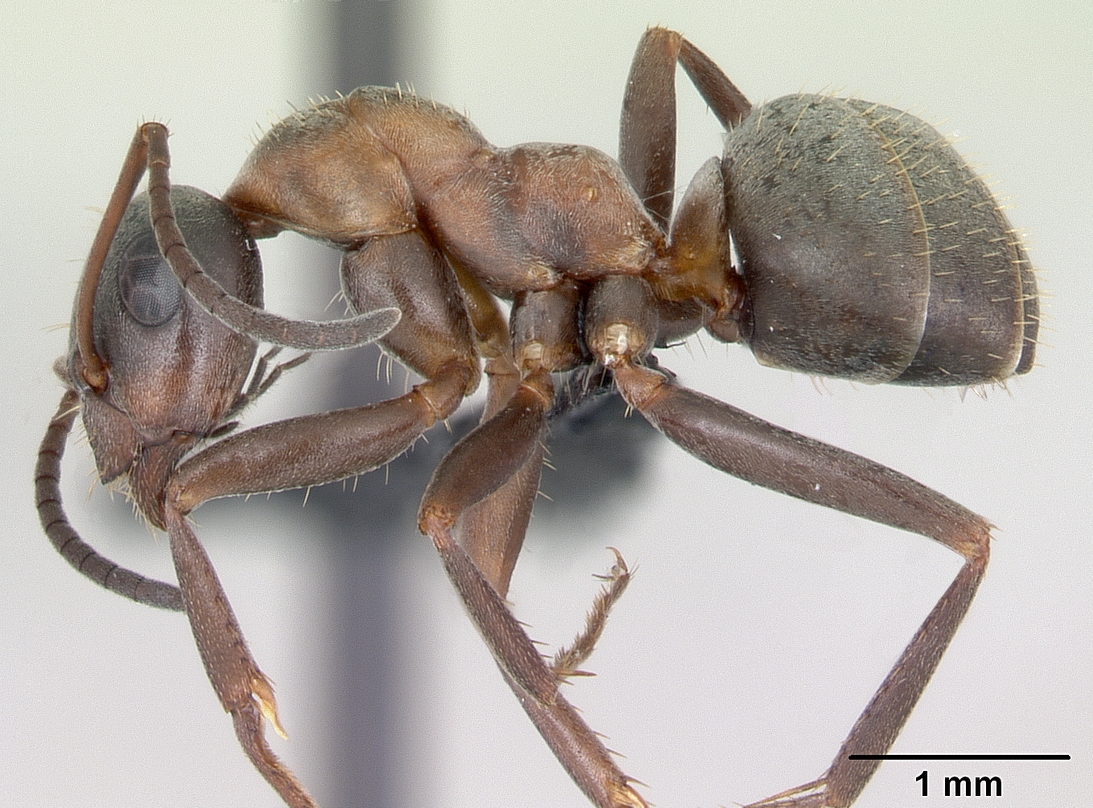
Red Barbed Ant
VUFormica rufibarbis

Red Bartsia
CROdontites vernus
Red Bartsia faces severe population declines due to widespread habitat loss from agricultural intensification and urban development across its range. The species' dependence on traditional low-intensity farming systems and semi-natural grasslands makes it particularly vulnerable to modern land-use changes and the abandonment of extensive grazing practices.

Red Elm Pigmy
CRStigmella lemniscella
The Red Elm Pigmy faces severe population declines due to widespread loss of its elm host trees from Dutch elm disease and habitat fragmentation. Urban development and agricultural expansion have eliminated much of the species' remaining suitable habitat, while climate change threatens the delicate synchronization between the moth's lifecycle and its host plant phenology.

Red Helleborine
ENCephalanthera rubra
Red Lauan
ENShorea pauciflora

Red Nato
VUPalaquium luzoniense

Red Oak
VUQuercus rubra

Red Peatmoss
VUSphagnum rubellum

Red Underwing
ENCatocala nupta
Red Underwing Skipper
VUSpialia sertorius
Red-backed Mining Bee
ENAndrena russula
Red-backed Mining Bee
ENAndrena similis

Red-backed Shrike
CRLanius collurio
The Red-backed Shrike faces severe population declines across its range due to widespread habitat loss and agricultural intensification that eliminates the thorny scrubland and traditional farming landscapes it depends on. Climate change is altering the timing and availability of insect prey, while pesticide use has dramatically reduced food sources, pushing this species toward critical endangerment.

Red-billed Tyrannulet
VUZimmerius cinereicapilla

Red-breasted Copra Beetle
VUNecrobia ruficollis

Red-breasted Merganser
VUMergus serrator

Red-crested Pochard
CRNetta rufina
This critically endangered species faces severe population declines due to widespread wetland drainage and degradation across its range, particularly affecting crucial breeding and wintering sites. Additional pressures from hunting, pollution, climate change-induced habitat shifts, and human disturbance at remaining wetland refugia continue to push populations toward extinction.

Red-crowned Toadlet
VUPseudophryne australis

Red-eyed Damselfly
VUErythromma najas

Red-Flanked Bluetail
ENTarsiger cyanurus

Red-Footed Tortoise
CRChelonoidis carbonarius
The Red-Footed Tortoise faces severe population declines across its range due to intensive hunting for food and the illegal pet trade, combined with widespread habitat destruction from deforestation and agricultural expansion. Large-scale collection of adults for consumption has dramatically reduced breeding populations, while habitat fragmentation isolates remaining groups and prevents natural population recovery.

Red-fringed Conch
ENFalseuncaria ruficiliana
Red-horned Mini-miner
VUAndrena nanula

Red-legged Salamander
VUPlethodon shermani

Red-lored Amazon
ENAmazona autumnalis
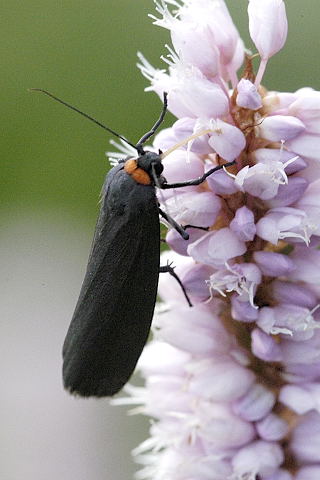
Red-necked Footman
VUAtolmis rubricollis

Red-necked Grebe
VUPodiceps grisegena

Red-ruffed Fruitcrow
VUPyroderus scutatus
Red-stemmed Bramble
VURubus divaricatus
Red-tailed Blood Bee
VUSphecodes rubicundus

Red-throated Anole
VUAnolis carolinensis
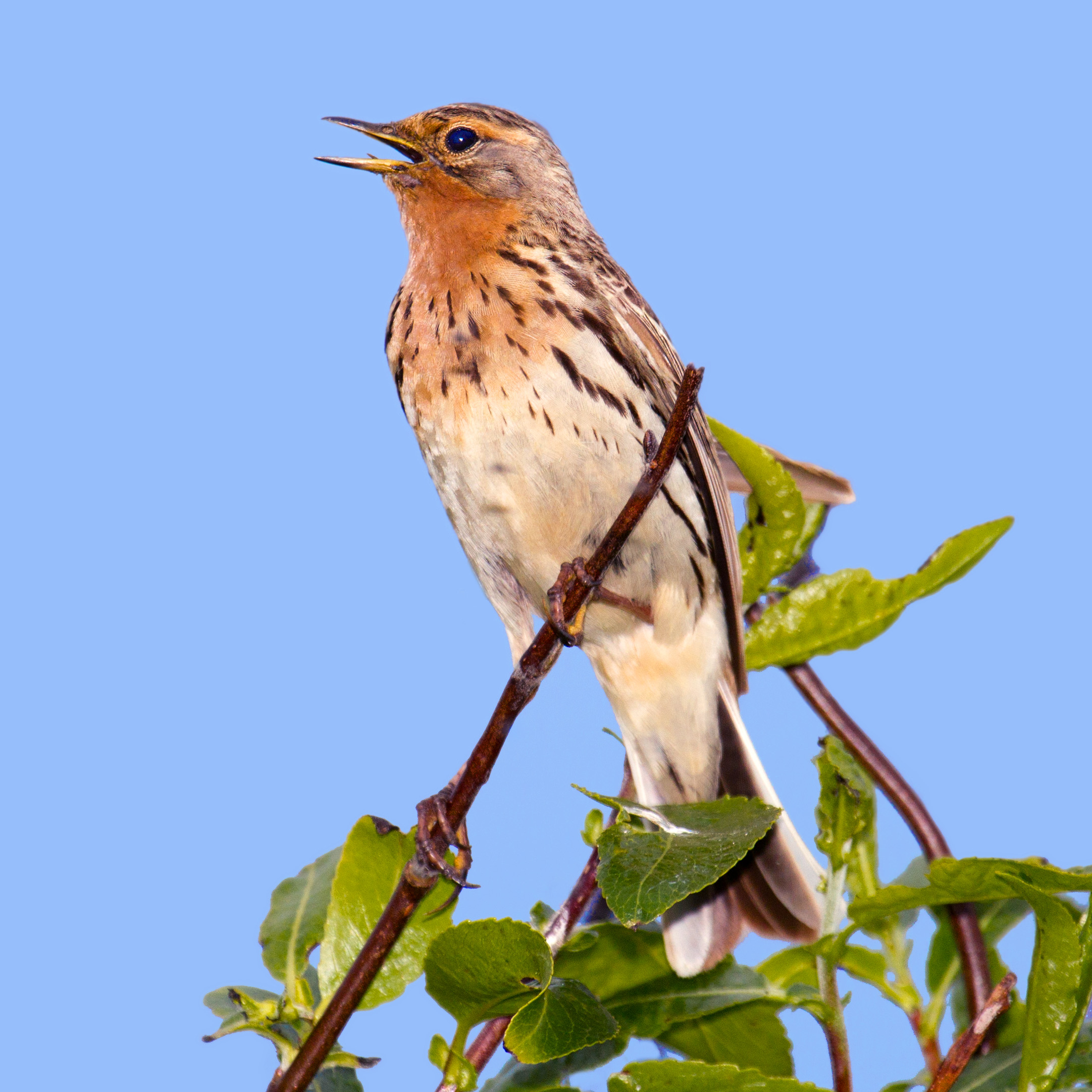
Red-throated Pipit
VUAnthus cervinus

Reddish Egret
VUEgretta rufescens
Reddish Notchwort
CRLophozia longiflora
Reddish Notchwort faces severe threats from habitat loss due to development, pollution, and climate change impacts on its specialized bryophyte communities. The species' extremely limited distribution and specific microhabitat requirements make it particularly vulnerable to environmental disturbances and fragmentation of suitable sites.

Reddish Pondweed
CRPotamogeton alpinus
Reddish Pondweed faces severe threats from habitat degradation and loss due to water pollution, eutrophication, and wetland drainage across its range. Climate change and altered hydrological regimes further threaten the specific water chemistry and temperature conditions this aquatic plant requires for survival.