rietmarpissa
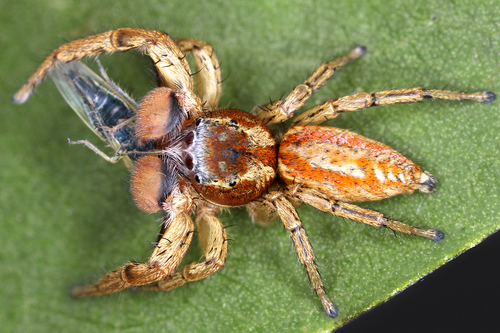
Marpissa radiata
Overview
A detailed profile for this species is sourced from the IUCN Red List of Threatened Species as assessments become available.
Marpissa radiata faces significant pressure from habitat degradation in its specialized coastal dune and sandy grassland environments. Urban development and recreational activities along coastlines have fragmented and destroyed much of its preferred habitat. Climate change-induced sea level rise and increased storm intensity threaten the stability of coastal dune systems where this jumping spider establishes its territories.
Habitat
Marpissa radiata inhabits coastal dune systems, sandy grasslands, and open heathland areas with sparse vegetation. This jumping spider prefers sun-exposed sandy substrates with scattered low shrubs and grasses that provide hunting grounds and shelter.
Other threatened species in Salticidae

Threatened in Austria

Frequently asked questions
Why is rietmarpissa classified as Vulnerable?
Where does rietmarpissa live?
What are the main threats to rietmarpissa?
Get weekly conservation intelligence
One short digest a week of the most striking species and country data we ship, plus breaking conservation news paired with our database where it matters.
Free, no spam. One-click unsubscribe in every email.