
Ephestia mistralella
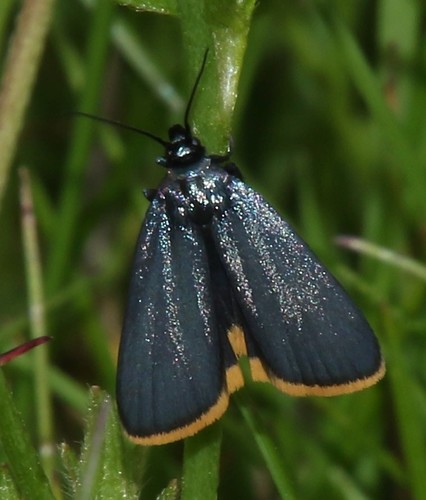
Photo: Wikimedia Commons (CC) via https://en.wikipedia.org/wiki/Ephestia_mistralella
Overview
Ephestia mistralella is a species of snout moth in the genus Ephestia. It was described by Pierre Millière in 1874, and is known from France, Germany, Denmark, Fennoscandia, Estonia, Latvia and the Iberian Peninsula.
Ephestia mistralella faces severe population declines due to habitat loss from agricultural intensification and urban development in Mediterranean coastal regions. Climate change is altering the specific microclimatic conditions this species requires, while pesticide use in agricultural areas directly impacts both the moth and its host plants.
Habitat
Mediterranean scrubland and garrigue habitats along coastal areas, particularly in regions with specific host plants and the distinctive mistral wind patterns. The species requires undisturbed areas with native vegetation between 0-300m elevation in southern France and adjacent Mediterranean coastlines.
Other threatened species in Pyralidae


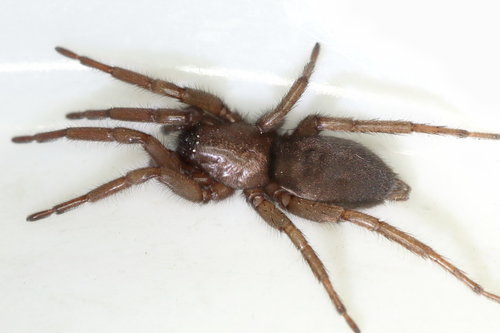
Threatened in Åland Islands


Frequently asked questions
Why is Ephestia mistralella classified as Critically Endangered?
Where does Ephestia mistralella live?
What are the main threats to Ephestia mistralella?
Get weekly conservation intelligence
One short digest a week of the most striking species and country data we ship, plus breaking conservation news paired with our database where it matters.
Free, no spam. One-click unsubscribe in every email.