Species Explorer
Browse and search species from the IUCN Red List and GBIF.
54,666 species
Plain Earthtongue
ENGeoglossum umbratile

Plain-winged Antwren
VUMyrmotherula behni
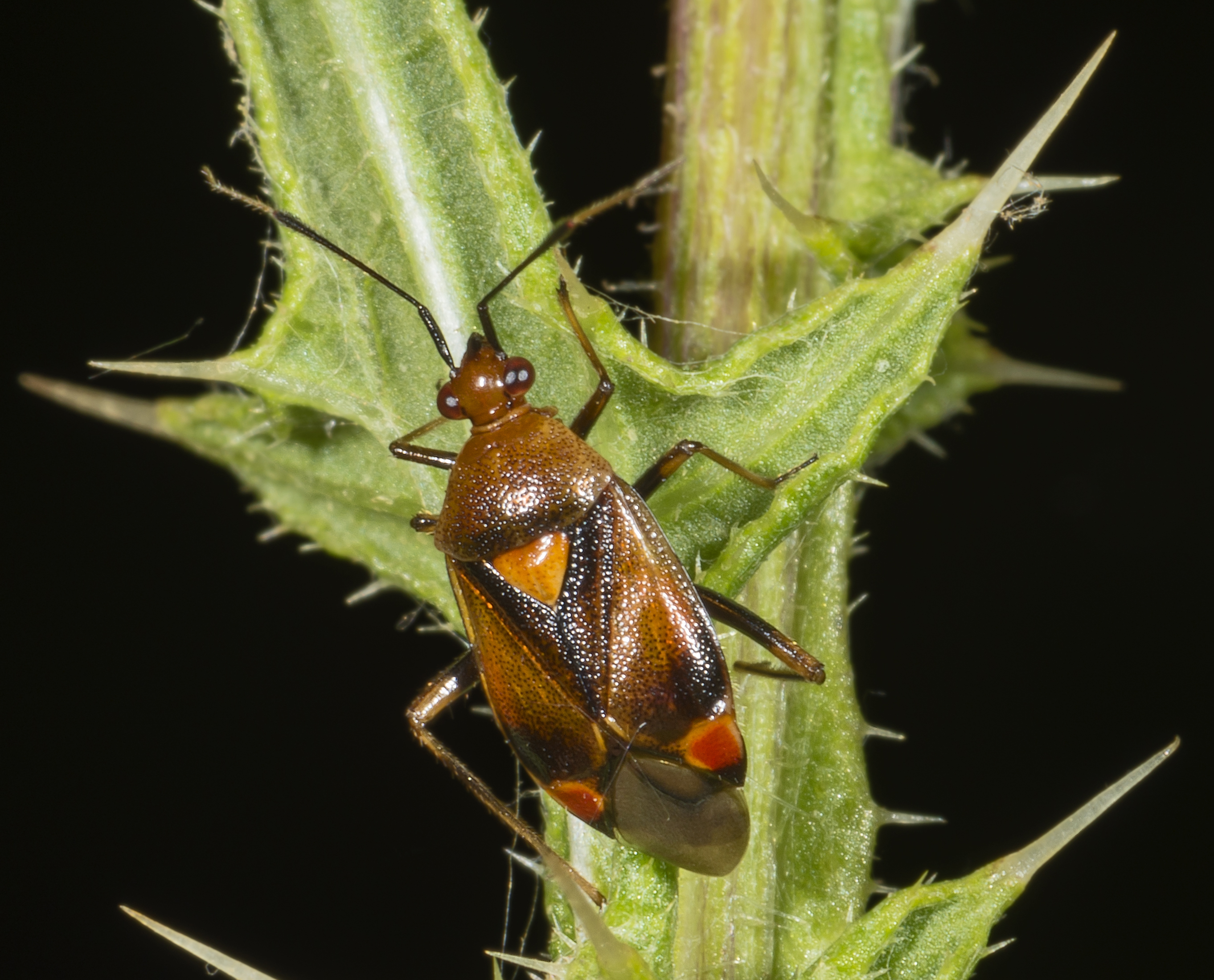
Plant bug
CRDeraeocoris ruber
The Plant bug (Deraeocoris ruber) faces severe population declines due to habitat loss from agricultural intensification and urban development, which destroys the diverse plant communities it depends on for feeding and reproduction. Climate change further threatens this species by altering the phenology of its host plants and disrupting the delicate ecological relationships essential for its survival.

Plantain Marble, Downland Marble
ENEndothenia oblongana

plate coral
VUHeliofungia actiniformis

Plate-billed Mountain-toucan
VUAndigena laminirostris

platt frölöpare
CRHarpalus hirtipes
Harpalus hirtipes faces severe population declines due to habitat loss from agricultural intensification and urban development across its range. The species' specialized habitat requirements make it particularly vulnerable to landscape fragmentation and changes in land management practices that alter soil conditions and prey availability.
platte krabspin
ENCoriarachne depressa
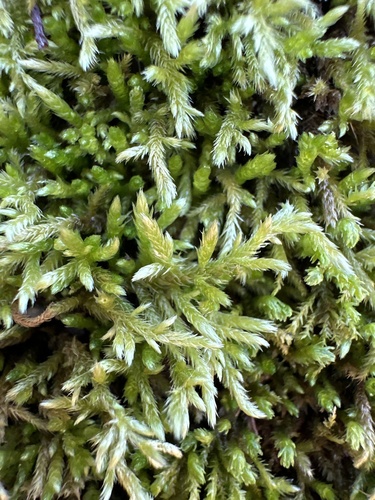
Pleated Foxtail Moss
CRBrachythecium laetum
Pleated Foxtail Moss faces severe threats from habitat destruction and degradation of its specialized woodland environments. Climate change and atmospheric pollution are altering the delicate moisture and chemical conditions this species requires, while urban development and intensive forestry practices continue to fragment and eliminate suitable habitat patches.
Pleurosperme d'Autriche, Ligustique d'Autriche
VUPleurospermum austriacum
Plicate Sweet-grass
CRGlyceria notata
Plicate Sweet-grass faces severe threats from habitat loss due to wetland drainage, agricultural conversion, and urban development across its range. Water pollution from agricultural runoff and altered hydrology from dam construction and water diversions further degrade the shallow water and marshy habitats this species requires for survival.
plogarmedderkopp
VUTmeticus affinis
plommonsjöpung
VUAscidia prunum
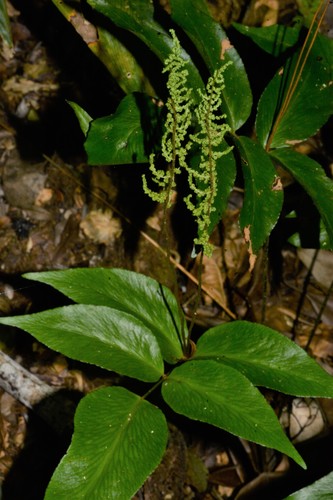
pluma-de-cacho
CRAnemia phyllitidis
Anemia phyllitidis faces severe threats from habitat destruction due to agricultural expansion, urban development, and deforestation throughout its range. The species is particularly vulnerable to land conversion and fragmentation of its specialized habitat requirements. Climate change and altered precipitation patterns further threaten the specific moisture conditions this fern requires for survival and reproduction.

Plusie du Pissenlit (La), Plusie d'Hochenwarth (La)
VUSyngrapha hochenwarthi

Poelts væggelav
VUXanthomendoza oregana

Pohnpei ground Partula snail
CRPartula guamensis
The Pohnpei ground Partula snail faces severe threats from invasive predatory species, particularly the introduced rosy wolf snail and flatworms that have devastated Pacific island snail populations. Habitat destruction from development and agricultural expansion on Pohnpei Island has further reduced available habitat for this endemic species.
Pointed Lattice-moss
VUDialytrichia mucronata

Pointed slender
ENParornix finitimella
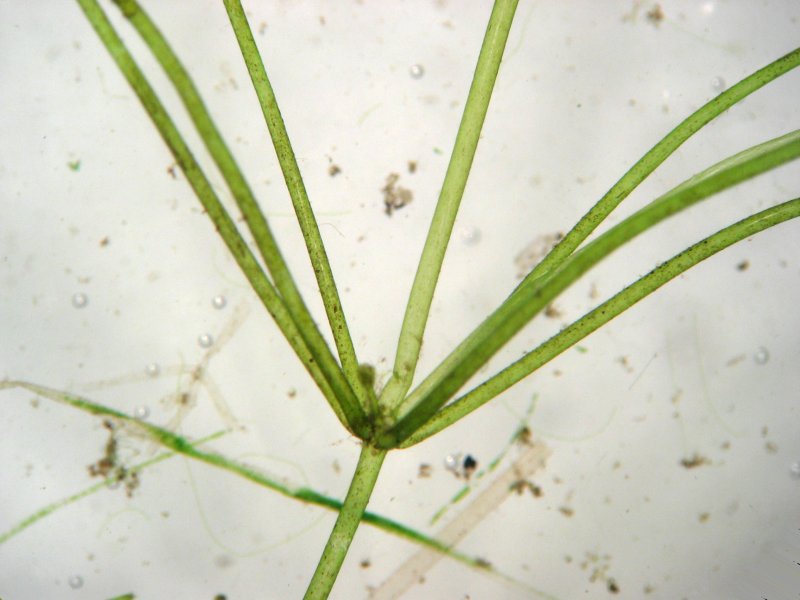
Pointed Stonewort
VUNitella mucronata
Pointed-leaved Stubble-moss
CRWeissia rutilans
Pointed-leaved Stubble-moss faces severe threats from habitat degradation and loss due to agricultural expansion, urban development, and changes in land use practices that alter the specific microhabitat conditions this species requires. Climate change poses additional risks through altered precipitation patterns and temperature regimes that affect the delicate moisture balance essential for moss survival and reproduction.
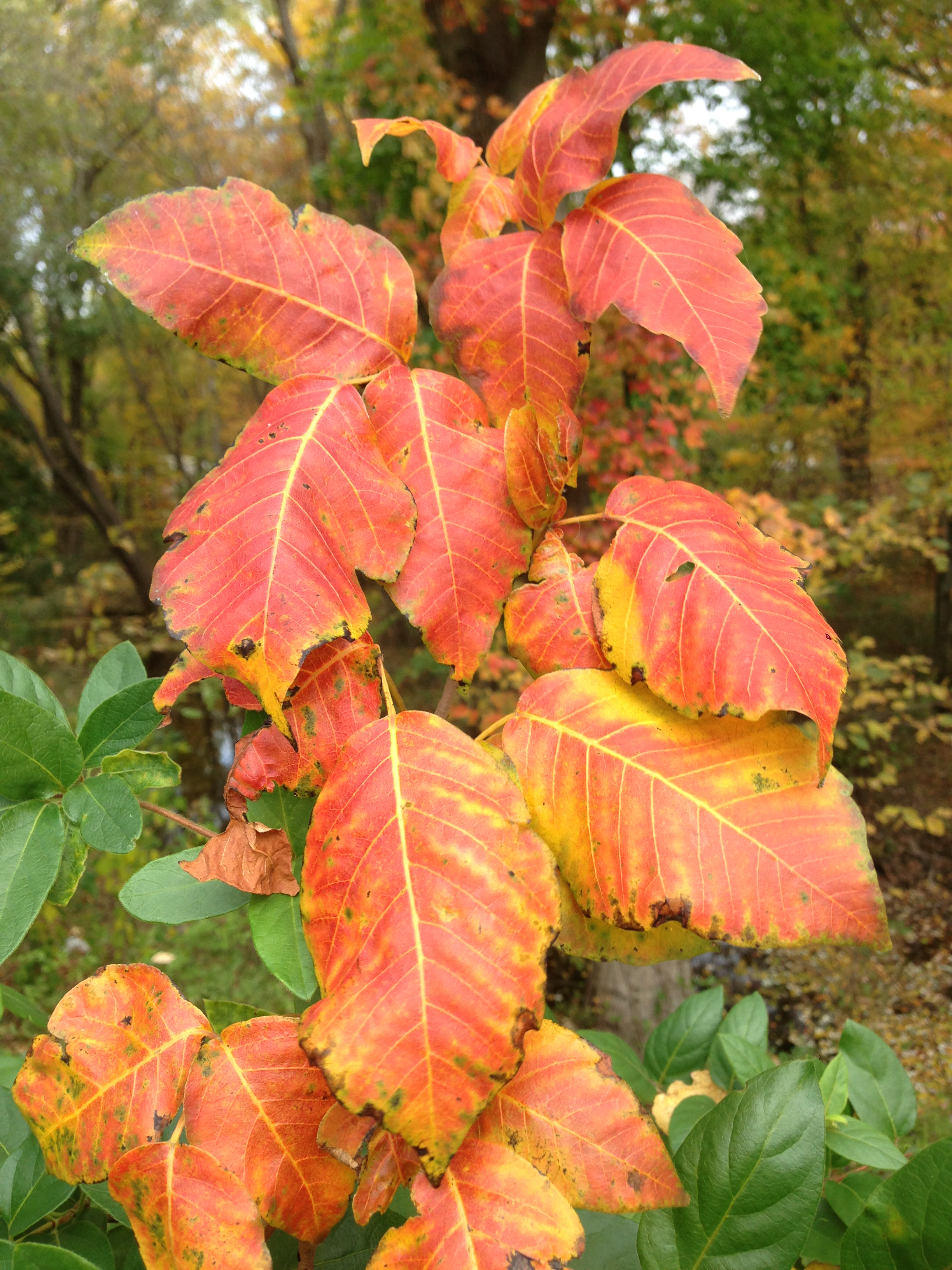
Poison Ivy
CRToxicodendron radicans
Poison Ivy faces severe population declines due to widespread habitat destruction from urban development and agricultural expansion across its native range. Climate change is altering precipitation patterns and temperature regimes that this species depends on, while intensive herbicide applications and deliberate eradication efforts continue to eliminate local populations.
polarskogblomsterfluge
VUDasysyrphus nigricornis
polarslamfluga
VUEristalis gomojunovae
polartigerfluge
VUSericomyia jakutica

Pollack (Lythe)
CRPollachius pollachius
Pollack face primary threats from commercial fishing pressure and bycatch in other fisheries targeting related species. Climate change impacts, including ocean warming and acidification, are affecting their marine habitat and prey availability. Coastal development and marine pollution further degrade their nearshore environments.

Polyp Aeolis
VUCumanotus beaumonti

Polypore boréal
ENClimacocystis borealis

Polypore flamboyant
ENPycnoporellus fulgens
Polypore pied-de-chèvre
CRScutiger pes-caprae
Scutiger pes-caprae faces severe threats from habitat degradation and climate change affecting its high-altitude breeding sites. The species is particularly vulnerable due to its specialized habitat requirements and limited distribution range in mountainous regions of Asia.

Polypore placenta
VURhodonia placenta
Polypore résineux, Ganoderme résineux
ENGanoderma resinaceum

Pommier Sauvage
VUMalus sylvestris

Pond Bat
VUMyotis dasycneme

Pond-sedge Miner, Sedge Neb
ENMonochroa arundinetella

Pondo Waterberry
VUSyzygium pondoense
Pondweed Bug
VUMesovelia furcata
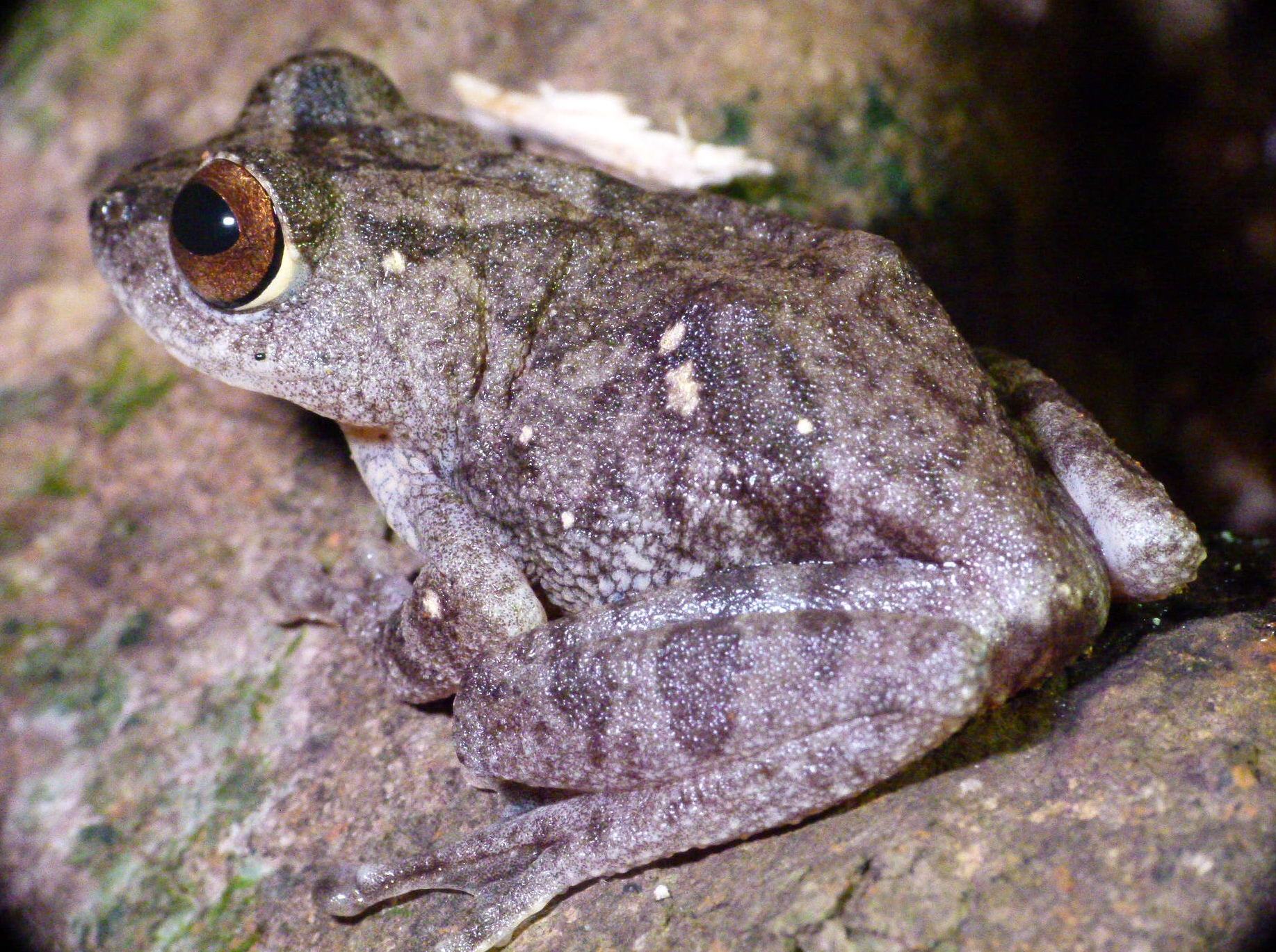
Ponmudi Bush Frog
CRRaorchestes ponmudi
The Ponmudi Bush Frog faces severe threats from habitat destruction due to deforestation, agricultural expansion, and human encroachment in the Western Ghats of Kerala, India. Its extremely limited range around the Ponmudi hills makes it particularly vulnerable to local extinctions from climate change and habitat fragmentation. The species' specialized breeding requirements and small population size further exacerbate its critical conservation status.

Pontic shad
VUAlosa immaculata

Pool Frog
VUPelophylax lessonae
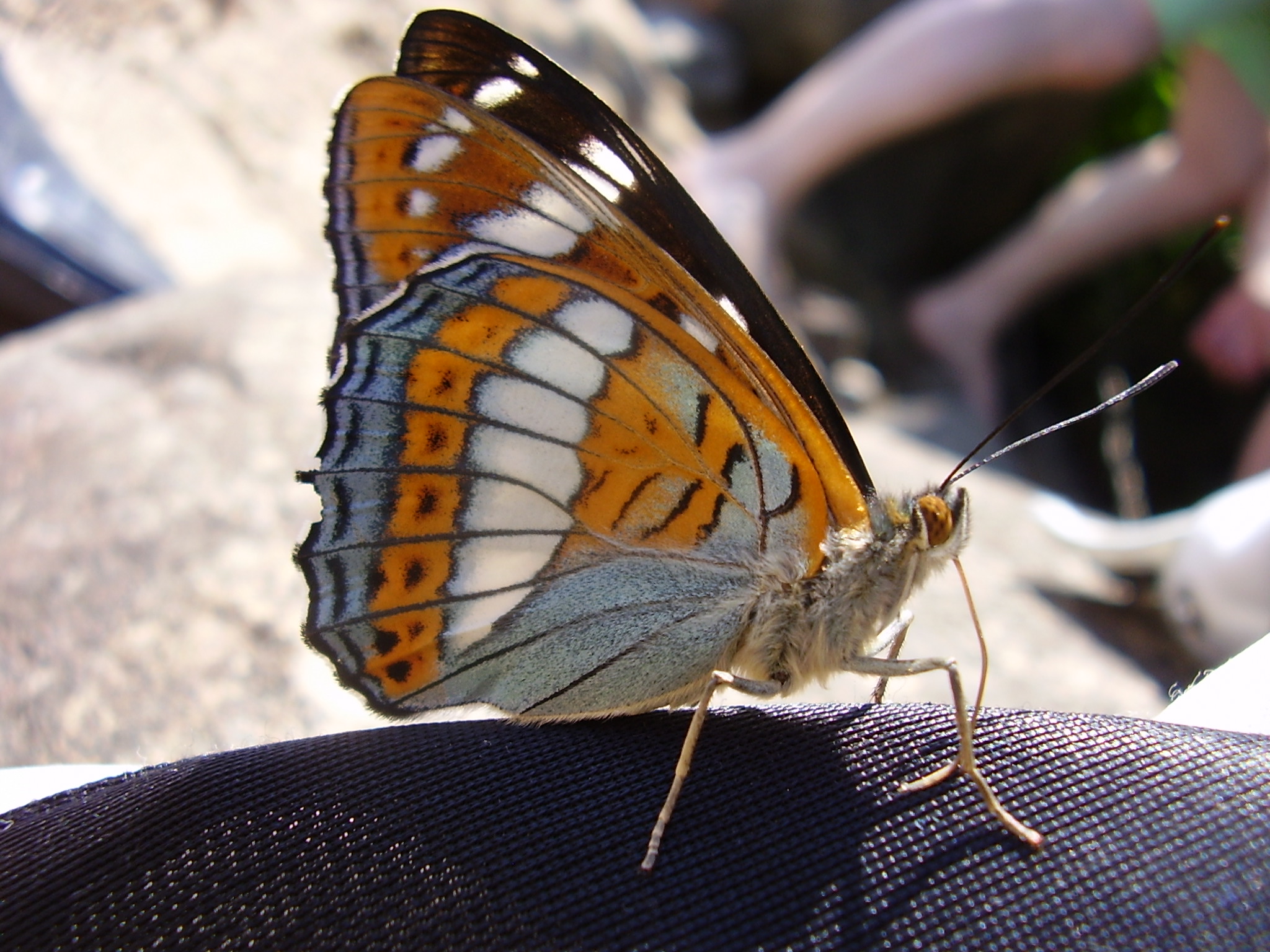
Poplar Admiral
CRLimenitis populi
The Poplar Admiral faces severe population declines across its range due to widespread habitat loss from deforestation and urban development, which has eliminated critical breeding sites. Climate change is altering the distribution and phenology of its host plants, while pollution and pesticide use in agricultural landscapes further threaten remaining populations.

pore coral
VUMontipora flabellata
Poreskål
ENPorotheleum fimbriatum
porssköldlusbagge
VUAnthribus scapularis

Portugese nase
CRIberochondrostoma lusitanicum
The Portuguese nase faces severe threats from habitat degradation and fragmentation of its freshwater river systems. Dam construction, water extraction, and pollution have significantly reduced suitable habitat and isolated populations, while invasive species compete for resources and alter ecosystem dynamics.

Potamot à feuilles étroites, Potamot de Ziz
CRPotamogeton angustifolius
Potamogeton angustifolius faces severe threats from habitat degradation and loss of suitable aquatic environments. Water pollution, eutrophication from agricultural runoff, and drainage of wetlands have significantly reduced available habitat, while climate change and altered hydrological regimes further threaten remaining populations.
Potato fern
ENMicrogramma tuberosa

Potbellied Helicellid
CRCochlicella barbara
The Potbellied Helicellid faces severe population declines due to habitat destruction from coastal development and agricultural expansion across its Mediterranean range. Climate change and increased drought frequency are degrading the specific microhabitat conditions this species requires, while invasive species competition further threatens remaining populations.

Potter Flower Bee
ENAnthophora retusa

Potter Foam Frog
CRLeptodactylus furnarius
The Potter Foam Frog faces severe threats from habitat destruction due to agricultural expansion and urban development throughout its range in South America. Pollution from agricultural runoff and climate change impacts on precipitation patterns further threaten the specific moisture and temperature conditions this species requires for reproduction and survival.