
Baum Marten
Martes martes
Photo: Photo: Wikimedia Commons, CC BY-SA
Overview
A detailed profile for this species is sourced from the IUCN Red List of Threatened Species as assessments become available.
Pine martens face severe population declines due to extensive habitat fragmentation from deforestation and urban development, which isolates populations and reduces genetic diversity. Historical persecution and ongoing illegal trapping have further decimated populations, while competition with introduced species and vehicle strikes continue to threaten remaining individuals.
Habitat
Mature coniferous and mixed forests with dense canopy cover, particularly spruce, pine, and fir woodlands between 200-2000m elevation. Also utilizes rocky outcrops, stone walls, and woodland edges with suitable denning sites in tree hollows, rock crevices, and abandoned buildings.
Other threatened species in Mustelidae


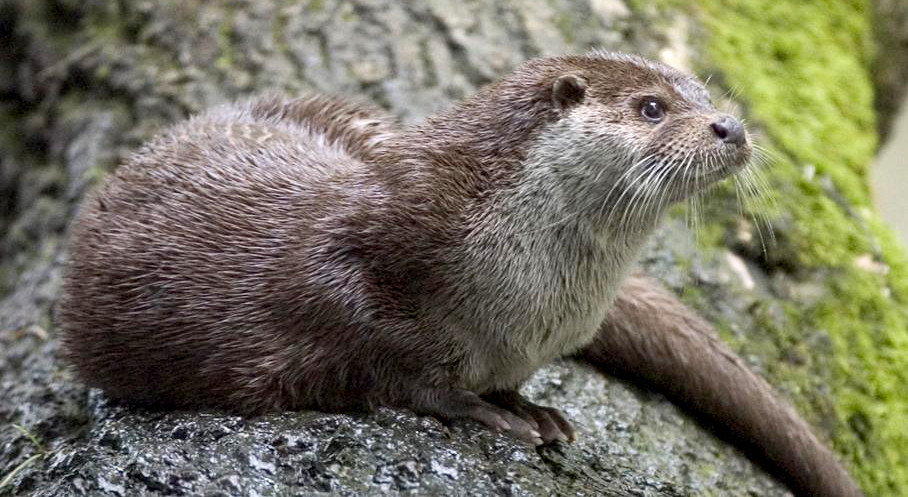
Threatened in Åland Islands

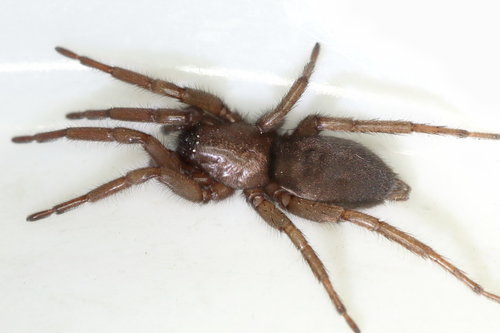

Frequently asked questions
Why is Baum Marten classified as Critically Endangered?
Where does Baum Marten live?
What are the main threats to Baum Marten?
Get weekly conservation intelligence
One short digest a week of the most striking species and country data we ship, plus breaking conservation news paired with our database where it matters.
Free, no spam. One-click unsubscribe in every email.