
Pig's Ear
Gomphus clavatus
Photo: Wikimedia Commons (CC) via https://en.wikipedia.org/wiki/Gomphus_clavatus
Overview
Pig's Ear (Gomphus clavatus)
The Pig's Ear is a distinctive funnel-shaped mushroom characterized by its violet to purple cap that fades to tan or brown with age. Growing 5-15 cm tall, it features a thick, club-like stem and develops deep, wrinkled folds resembling its namesake. This ectomycorrhizal fungus forms symbiotic relationships with coniferous trees, particularly spruce and fir, facilitating nutrient exchange that benefits both organisms and supports forest ecosystem health.
Gomphus clavatus demonstrates remarkable geographic distribution across temperate and boreal regions of the Northern Hemisphere, with populations documented across Europe, North America, and Asia. The species extends into unexpected locations including Madagascar, Australia, and Central America. It typically inhabits mature coniferous and mixed forests, preferring acidic soils in mountainous or northern latitudes where it fruits from late summer through autumn.
Despite its wide distribution, the Pig's Ear faces critical endangerment, earning its IUCN Red List status. The species appears highly sensitive to environmental changes, with documented population declines across much of its European range. Habitat fragmentation, forest management practices that favor younger stands, and climate change likely contribute to its decline, though specific threat mechanisms remain poorly understood due to limited research on fungal conservation.
Current conservation efforts remain minimal, reflecting broader challenges in mycological conservation. Some European countries have included the species in national red lists, and habitat protection in old-growth forest reserves may provide indirect benefits.
The species' trajectory remains uncertain, with insufficient monitoring data to assess population trends effectively, highlighting critical knowledge gaps in fungal biodiversity conservation.
Gomphus clavatus faces severe population declines primarily due to habitat loss from deforestation and forest fragmentation, which destroys the old-growth coniferous forests it depends on. Climate change and air pollution further threaten the delicate mycorrhizal relationships this fungus requires to survive, while overcollection by foragers has reduced populations in accessible areas.
Habitat
Other threatened species in Gomphaceae

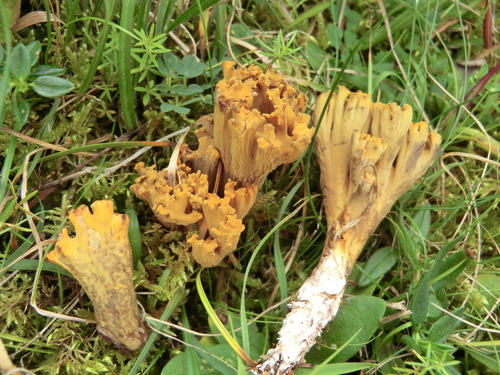

Threatened in Åland Islands

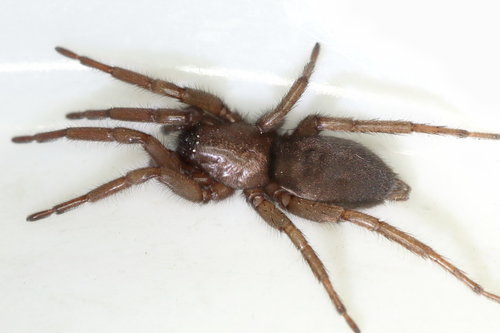

Frequently asked questions
Why is Pig's Ear classified as Critically Endangered?
Where does Pig's Ear live?
What are the main threats to Pig's Ear?
Get weekly conservation intelligence
One short digest a week of the most striking species and country data we ship, plus breaking conservation news paired with our database where it matters.
Free, no spam. One-click unsubscribe in every email.