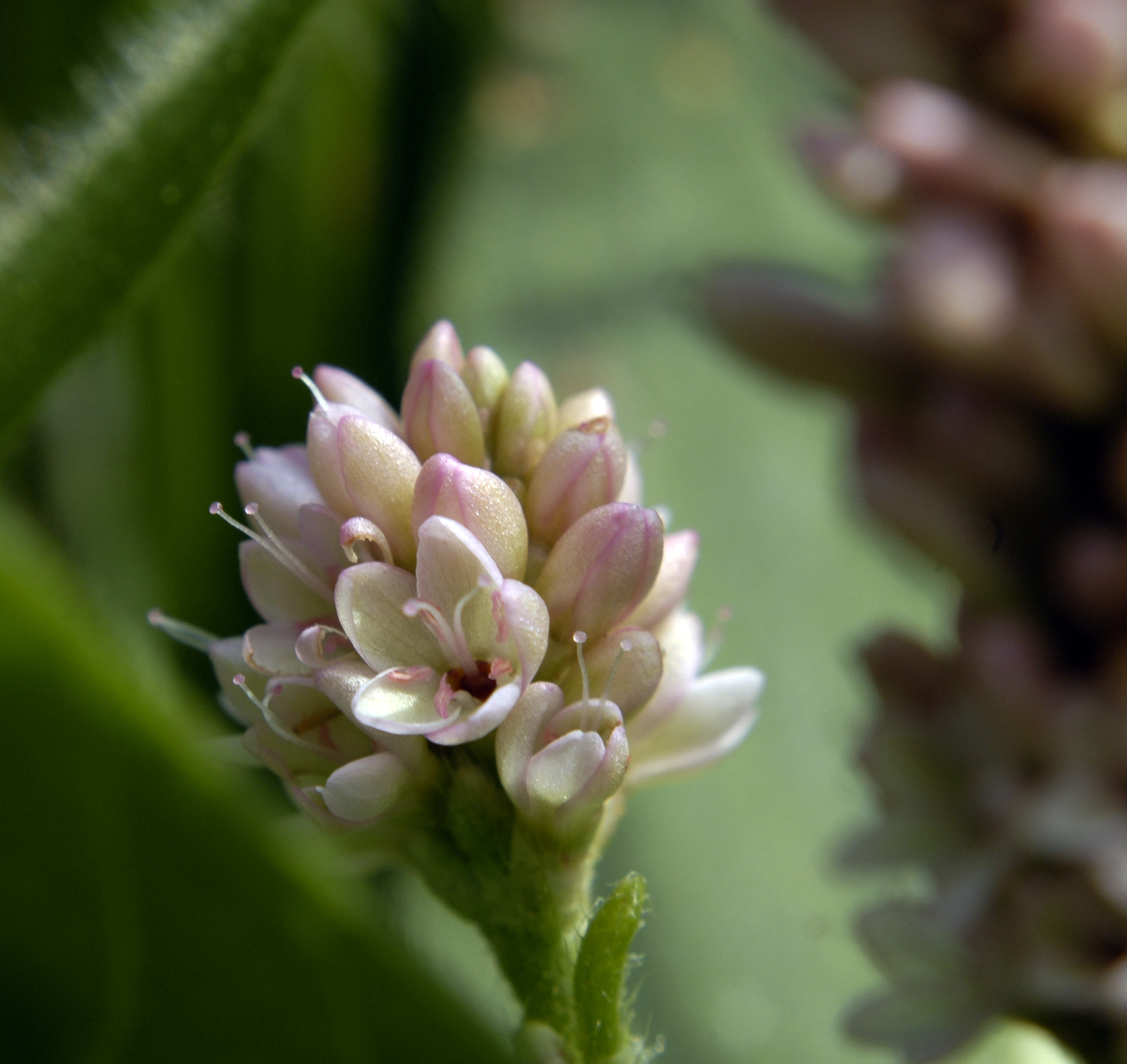
Pennsylvania smartweed
Persicaria pensylvanica
Photo: Wikimedia Commons (CC) via https://en.wikipedia.org/wiki/Persicaria_pensylvanica
Overview
A detailed profile for this species is sourced from the IUCN Red List of Threatened Species as assessments become available.
Pinkweed faces severe population declines primarily due to agricultural intensification and wetland drainage across its native range in eastern North America. Urban development and infrastructure projects have eliminated many of the seasonal wetlands and mudflats where this annual herb establishes. Competition from invasive plant species in disturbed habitats further reduces available growing space for natural recruitment.
Habitat
Pinkweed inhabits seasonal wetlands, mudflats, pond margins, and disturbed moist soils throughout eastern North America. This annual species requires periodic flooding followed by exposed muddy substrates for successful germination and establishment.
Other threatened species in Polygonaceae
Frequently asked questions
Why is Pennsylvania smartweed classified as Endangered?
Where does Pennsylvania smartweed live?
What are the main threats to Pennsylvania smartweed?
Get weekly conservation intelligence
One short digest a week of the most striking species and country data we ship, plus breaking conservation news paired with our database where it matters.
Free, no spam. One-click unsubscribe in every email.