
EPFL
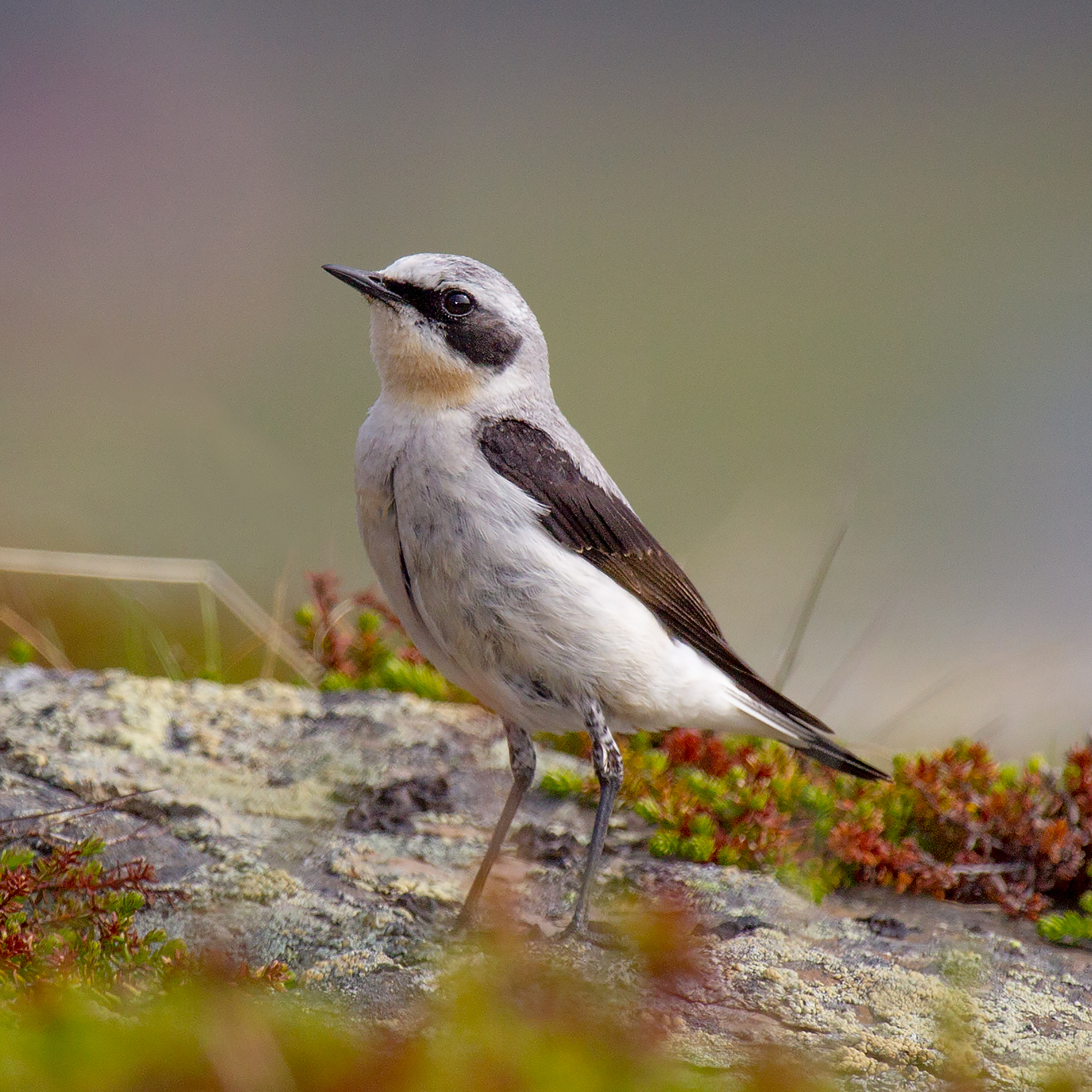
Ficedula hypoleuca
Photo: Wikimedia Commons (CC) via https://en.wikipedia.org/wiki/European_pied_flycatcher
Overview
A detailed profile for this species is sourced from the IUCN Red List of Threatened Species as assessments become available.
The Pied Flycatcher faces significant population declines across its European breeding range, with numbers dropping by over 50% in some regions since the 1980s. Climate change disrupts the synchronization between peak caterpillar abundance and breeding season, reducing reproductive success as warmer springs cause insect emergence to occur before flycatcher arrival. Habitat fragmentation and intensive forestry practices have reduced the availability of suitable deciduous and mixed woodlands with adequate nest cavities. Agricultural intensification in both breeding and wintering grounds has decreased insect prey availability, while drought conditions in African wintering areas further compound survival challenges.
Habitat
Pied Flycatchers inhabit mature deciduous and mixed woodlands, particularly favoring oak, beech, and birch forests with open understories and abundant natural tree cavities or nest boxes. They require forest edges and clearings for foraging, preferring areas with high insect diversity and minimal ground vegetation that allows for effective aerial hunting.
Other threatened species in Muscicapidae


Frequently asked questions
Why is EPFL classified as Vulnerable?
Where does EPFL live?
What are the main threats to EPFL?
Get weekly conservation intelligence
One short digest a week of the most striking species and country data we ship, plus breaking conservation news paired with our database where it matters.
Free, no spam. One-click unsubscribe in every email.