
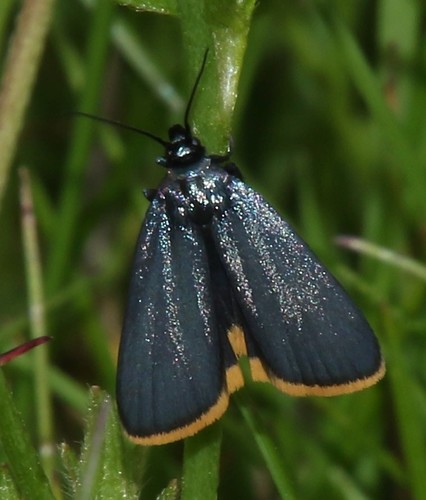
Eurhodope rosella
Photo: Wikimedia Commons (CC) via https://en.wikipedia.org/wiki/Eurhodope_rosella
Overview
Eurhodope rosella is a moth of the family Pyralidae. It is found in southern and central Europe.
Eurhodope rosella faces severe population declines due to habitat loss from agricultural intensification and urban development across its European range. The species' specialized dependence on specific host plants makes it particularly vulnerable to changes in land management practices and climate-induced shifts in plant communities.
Habitat
Inhabits dry grasslands, meadows, and scrubland areas where its host plants in the Dipsacaceae family (particularly Scabiosa species) occur. The species requires warm, sunny slopes and calcareous soils typically found in Mediterranean and temperate European ecosystems.
Other threatened species in Pyralidae


Threatened in Albania

Frequently asked questions
Why is Eurhodope rosella classified as Critically Endangered?
Where does Eurhodope rosella live?
What are the main threats to Eurhodope rosella?
Get weekly conservation intelligence
One short digest a week of the most striking species and country data we ship, plus breaking conservation news paired with our database where it matters.
Free, no spam. One-click unsubscribe in every email.