Species Explorer
Browse and search species from the IUCN Red List and GBIF.
54,666 species
Macouns Rindenpilz
VUClavulicium macounii

Madagascar Pratincole
VUGlareola ocularis
Madeiran Land Snail
CRAtlantica gueriniana
The Madeiran Land Snail faces severe threats from habitat destruction and degradation on the island of Madeira, where its native laurel forest ecosystem has been extensively cleared for agriculture and development. Introduced species, particularly invasive plants and predatory species, have further compromised the remaining suitable habitat. Climate change and increased frequency of droughts pose additional stress to this moisture-dependent species.

Madeiran Large White
CRPieris wollastoni
The Madeiran Large White is critically endangered due to severe habitat loss and degradation on the island of Madeira, where its native laurel forest ecosystem has been extensively cleared for agriculture and development. The species is also threatened by invasive plant species that have altered the composition of remaining forest patches, reducing the availability of its host plants.
madgropspindel
VUBaryphyma pratense

Madwort
ENAsperugo procumbens
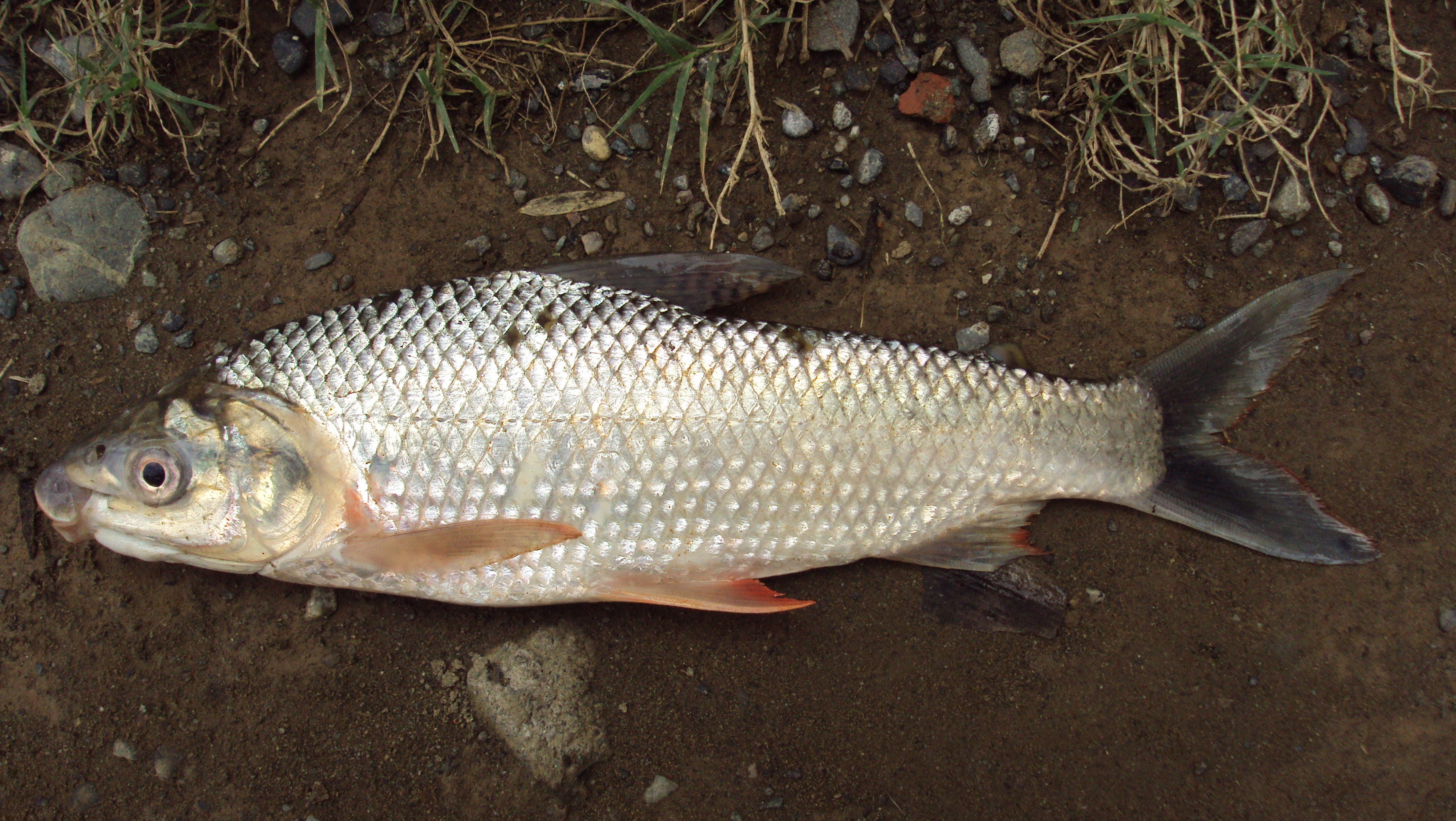
Magdalena River prochilodus
VUProchilodus magdalenae

Magellanic Bog-moss
VUSphagnum magellanicum
mahoe
CRAlectryon macrococcum
Alectryon macrococcum faces severe population decline primarily due to habitat destruction from agricultural expansion and urban development across its limited range. The species' restricted distribution makes it particularly vulnerable to localized threats, with remaining populations fragmented and isolated.

Mahot acutangulé, Mahot tantan, Bois de guinguade, Mahot découpé
CRDombeya acutangula
Dombeya acutangula is critically endangered due to severe habitat loss and degradation on the island of Mauritius. The species faces ongoing threats from urban development, agricultural expansion, and invasive plant species that compete for resources and alter native ecosystem dynamics.
Majagua
CROxandra espintana
Oxandra espintana is critically endangered primarily due to severe habitat loss and fragmentation from agricultural expansion and urban development in its extremely limited range in Cuba. The species has a very small population size and restricted distribution, making it highly vulnerable to any environmental changes or human activities in its habitat.
Majaguilla de costa
CRHelicteres trapezifolia
Helicteres trapezifolia faces severe population decline primarily due to habitat destruction from coastal development and agricultural expansion along its limited range. The species' extremely restricted distribution makes it particularly vulnerable to localized threats, with remaining populations fragmented and isolated.
Majaguin
CRPeltaea speciosa
Peltaea speciosa (Majaguin) faces severe population decline primarily due to extensive habitat loss from deforestation and agricultural expansion in its limited range. The species' restricted distribution makes it particularly vulnerable to localized threats, while its specialized habitat requirements further compound conservation challenges.

Malaipuvarasu
CRHildegardia populifolia
Hildegardia populifolia faces severe population decline primarily due to habitat destruction from deforestation and agricultural expansion in its native range across India and Southeast Asia. The species is further threatened by overexploitation for its timber and medicinal properties, combined with its naturally fragmented distribution and low reproductive success.
Malangoulangou
VUAristogeitonia monophylla
Malarmo
VUPlatysilurus malarmo
malatapai
VUAlangium longiflorum
mallanniittykirsikäs
VUNephrotoma lundbecki
The threats to mallanniittykirsikäs (Nephrotoma lundbecki) have not been assessed or documented by scientists yet. Without this threat assessment, it's unclear what specific dangers this species faces or how human activities might be affecting its survival. The status of threats to this species - whether they are getting worse, staying the same, or improving - cannot be determined without further research.
malurtnettege
VUGaleatus spinifrons

Mamoncillo
CRAnnona cascarilloides
Mamoncillo (Annona cascarilloides) is critically endangered primarily due to severe habitat loss and fragmentation from agricultural expansion and urban development in its limited range in Colombia. The species has an extremely restricted distribution and small population size, making it highly vulnerable to any environmental changes or human activities in its remaining habitat.

Manaju
ENGarcinia aristata
Manamana
VUPotamorhina laticeps

Manchester Treble-bar
ENCarsia sororiata

Manchurian Eared-pheasant
VUCrossoptilon mantchuricum
Manchurian smartweed
ENPersicaria foliosa
mandelblommevivel
VUBagous diglyptus

Mangrove Finch
CRCamarhynchus heliobates
The Mangrove Finch is critically endangered due to its extremely restricted range, being found only in mangrove forests on Isabela Island in the Galápagos. The species faces severe threats from habitat degradation, invasive species, and parasitic flies that attack nestlings, with the total population estimated at fewer than 100 individuals.

månlavmal
VUKarsholtia marianii

Map
ENAraschnia levana

Maraene
VUCoregonus maraena
Marahuaca Treefrog
VUTepuihyla luteolabris
Marbled Caecilian
CREpicrionops marmoratus
The Marbled Caecilian faces severe threats primarily from habitat destruction due to agricultural expansion, deforestation, and urban development in its limited range in Ecuador. As a soil-dwelling amphibian with specific moisture and temperature requirements, it is particularly vulnerable to habitat fragmentation and degradation. Its extremely restricted distribution makes the species highly susceptible to local extinctions from human activities.
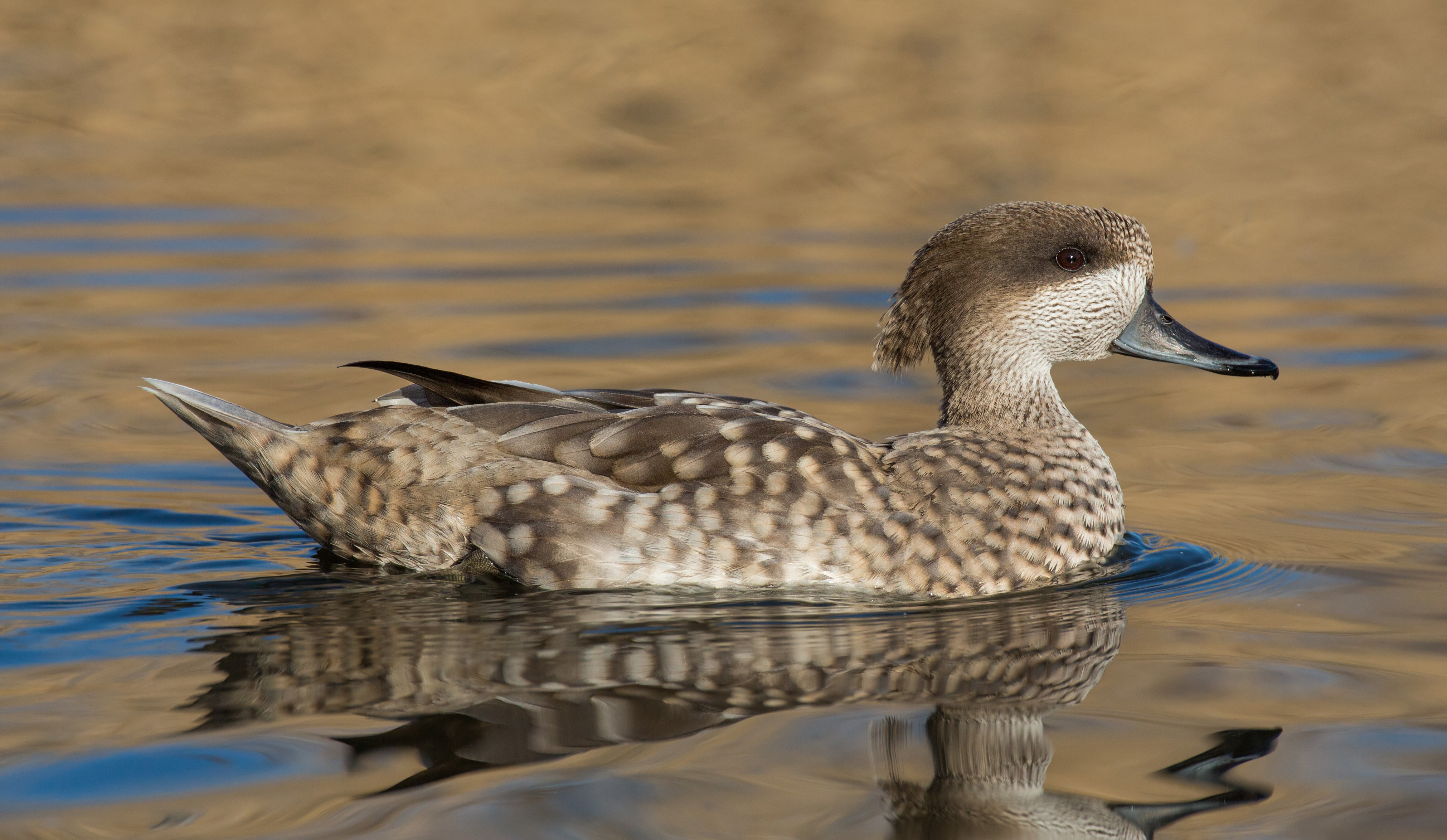
Marbled Duck
VUMarmaronetta angustirostris
Marbled Goby
VUEleotrica cableae

Marbled Skipper
CRCarcharodus lavatherae
The Marbled Skipper faces severe population declines primarily due to habitat loss and degradation of its specialized Mediterranean scrubland environments. Agricultural intensification, urban development, and changes in traditional land management practices have fragmented and destroyed the warm, rocky slopes with sparse vegetation that this species requires for survival.

Margay
VULeopardus wiedii

Margined Colletes
VUColletes marginatus
Margrietboorvlieg
VUOxyna nebulosa
Marianne's Marbled Bush-cricket
VUEupholidoptera mariannae
Mariano
VURhinodoras thomersoni
Marmelinho
ENBrosimum glaziovii
marmorklotspindel
VUEnoplognatha oelandica

Marsh Fleawort
CRTephroseris palustris
Marsh Fleawort faces severe decline primarily due to habitat loss and degradation of its specialized wetland environments. Agricultural intensification, drainage of marshlands, and changes in water management have eliminated much of its suitable habitat across its limited range. The species' highly specific ecological requirements make it particularly vulnerable to environmental changes and human disturbance.

Marsh Fritillary
CREuphydryas aurinia
The Marsh Fritillary faces severe population declines across its range due to habitat loss and fragmentation of its specialized wetland environments. Agricultural intensification, drainage of marshlands, and abandonment of traditional low-intensity grazing practices have eliminated critical breeding sites and reduced the availability of its primary host plant, devil's-bit scabious.

Marsh Frog
ENPelophylax ridibundus

marsh Labrador tea
CRRhododendron tomentosum
Marsh Labrador tea faces severe threats from wetland habitat destruction and degradation due to agricultural conversion, urban development, and drainage projects. Climate change is altering precipitation patterns and temperature regimes in its specialized bog and wetland habitats, while pollution from agricultural runoff and industrial activities degrades water quality in these sensitive ecosystems.

Marsh Lousewort
ENPedicularis palustris

Marsh Moth
VUAthetis pallustris

Marsh Sedge
CRCarex buxbaumii
Marsh Sedge faces severe threats from widespread wetland habitat loss and degradation due to agricultural conversion, urban development, and altered hydrology from drainage projects. Climate change is intensifying these pressures by altering precipitation patterns and increasing drought frequency in critical wetland ecosystems. Conservation status may vary by region or assessment authority, but populations continue to decline across much of the species' range.

Marsh Spurge
CREuphorbia palustris
Marsh Spurge faces severe threats from wetland habitat destruction and degradation due to agricultural conversion, urban development, and water management practices that alter natural hydrological regimes. The species' specialized requirements for specific wetland conditions make it particularly vulnerable to habitat fragmentation and water level changes, leading to population declines across its range.