
Marsh Fleawort
Tephroseris palustris
Photo: Wikimedia Commons (CC) via https://en.wikipedia.org/wiki/Tephroseris_palustris
Overview
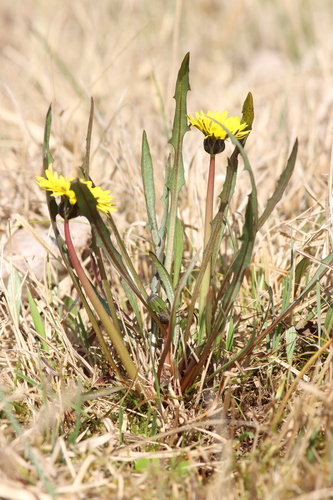
Tephroseris palustris, also known by its common names swamp ragwort, northern swamp groundsel, marsh fleabane, marsh fleawort, clustered marsh ragwort and mastodon flower, a herbaceous species of the family Asteraceae. It can be seen most easily when its bright yellow umbel flowers appear from May to early July standing 3 to 4 feet along marshes, stream banks and slough areas where it likes to grow.
Marsh Fleawort faces severe decline primarily due to habitat loss and degradation of its specialized wetland environments. Agricultural intensification, drainage of marshlands, and changes in water management have eliminated much of its suitable habitat across its limited range. The species' highly specific ecological requirements make it particularly vulnerable to environmental changes and human disturbance.
Habitat
Tephroseris palustris grows in areas that have freezing winters and in moist to wet soils, such as damp meadows, swamps, sandy pond edges at altitudes of 0 to :America ::North America: Alaska, Iowa, Michigan, Minnesota, North Dakota, South Dakota, Wisconsin, British Columbia, Alberta, Saskatchewan, Manitoba, Ontario, Quebec, New Brunswick, Nova Scotia, Prince Edward Island, Newfoundland and...
Other threatened species in Asteraceae

Frequently asked questions
Why is Marsh Fleawort classified as Critically Endangered?
Where does Marsh Fleawort live?
What are the main threats to Marsh Fleawort?
Get weekly conservation intelligence
One short digest a week of the most striking species and country data we ship, plus breaking conservation news paired with our database where it matters.
Free, no spam. One-click unsubscribe in every email.