Nephrotoma lundbecki
Overview
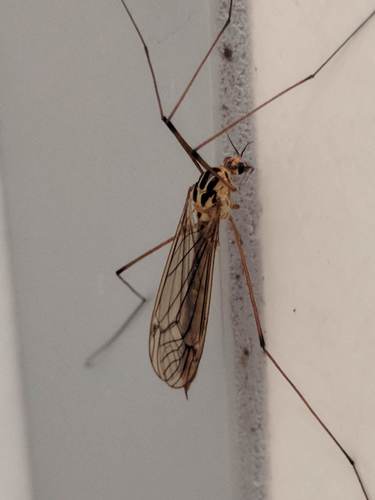
Nephrotoma lundbecki, known as mallanniittykirsikäs in Finnish, is a distinctive crane fly species endemic to northern Europe's specialized wetland ecosystems. This medium-sized tipulid displays the characteristic elongated legs and delicate wings typical of its family, with adults measuring approximately 12-15 millimeters in body length. The species exhibits subtle brownish-gray coloration with darker wing markings that aid in identification among the diverse Nephrotoma genus.
Adults emerge during late spring and early summer, typically from May through July, when they engage in brief mating flights over their preferred marshy habitats. The larvae develop in saturated soils of pristine wetlands, particularly in nutrient-poor fens and bog margins where they feed on decomposing organic matter and root systems of specialized plants. This species demonstrates remarkable habitat specificity, requiring the precise hydrological conditions found in undisturbed northern European wetlands, particularly in Finland and adjacent regions.
Currently classified as Vulnerable by the IUCN, Nephrotoma lundbecki faces mounting pressure from wetland drainage and agricultural intensification across its limited range. However, recent conservation efforts in Finland have shown promise, with several key populations now protected within designated nature reserves where water levels are actively managed to maintain optimal breeding conditions. The species serves as an important indicator of wetland ecosystem health, and its presence signals the integrity of these increasingly rare northern European bog communities.
The primary threat to Nephrotoma lundbecki stems from widespread wetland drainage for agricultural expansion and forestry operations across northern Europe, which directly eliminates the saturated soil conditions essential for larval development. Climate change poses an additional significant risk through altered precipitation patterns and increased temperatures that disrupt the delicate hydrological balance of bog ecosystems. Peat extraction activities in Finland and neighboring countries continue to destroy critical habitat, while nitrogen deposition from agricultural runoff degrades the nutrient-poor conditions this species requires for successful reproduction.
Habitat
Nephrotoma lundbecki inhabits pristine northern European wetlands, specifically nutrient-poor fens, bog margins, and marshy areas with consistently saturated soils. The species requires undisturbed hydrological conditions with stable water tables and minimal human disturbance, typically occurring in remote locations across Finland and adjacent Scandinavian regions.
Other threatened species in Tipulidae
Threatened in Canada
Frequently asked questions
Why is Nephrotoma lundbecki classified as Vulnerable?
Where does Nephrotoma lundbecki live?
What are the main threats to Nephrotoma lundbecki?
Get weekly conservation intelligence
One short digest a week of the most striking species and country data we ship, plus breaking conservation news paired with our database where it matters.
Free, no spam. One-click unsubscribe in every email.