Jamaican tonguefern
Elaphoglossum eggersii
Overview
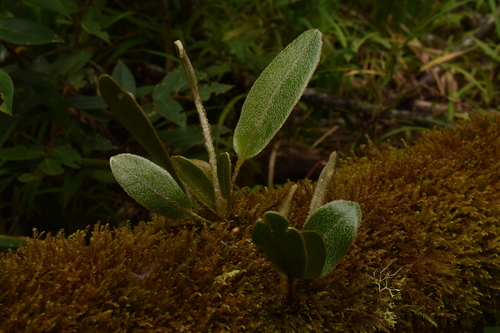
The Jamaican tonguefern (Elaphoglossum eggersii) is an endemic epiphytic fern species found exclusively in Jamaica's montane forests. This distinctive fern features simple, tongue-shaped fronds with a leathery texture and produces spores on specialized fertile fronds that are narrower than the sterile ones. As an epiphyte, it plays an important ecological role in forest canopy ecosystems by contributing to biodiversity and providing microhabitats for other small organisms.
The Jamaican tonguefern faces severe threats from habitat destruction due to deforestation, agricultural expansion, and urban development in Jamaica's mountainous regions. Climate change poses additional risks through altered precipitation patterns and temperature increases that affect the humid microclimates this species requires.
Habitat
This species inhabits the humid montane and cloud forests of Jamaica's Blue Mountains and other elevated regions, typically growing as an epiphyte on tree trunks and branches in the forest canopy. It thrives in consistently moist environments with high humidity levels and filtered sunlight characteristic of these tropical mountain ecosystems.
Other threatened species in Dryopteridaceae
Frequently asked questions
Why is Jamaican tonguefern classified as Endangered?
Where does Jamaican tonguefern live?
What are the main threats to Jamaican tonguefern?
Get weekly conservation intelligence
One short digest a week of the most striking species and country data we ship, plus breaking conservation news paired with our database where it matters.
Free, no spam. One-click unsubscribe in every email.