disc lichen
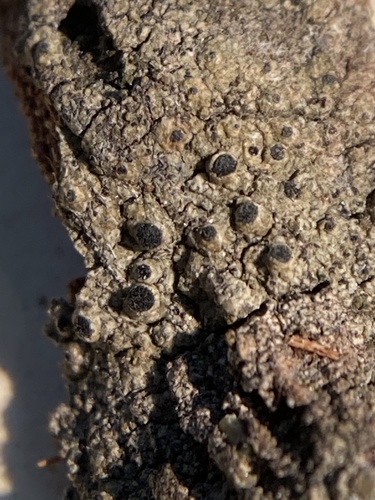
Buellia epigaea
Overview
A detailed profile for this species is sourced from the IUCN Red List of Threatened Species as assessments become available.
Buellia epigaea faces severe pressure from agricultural intensification and urban development that destroys its specialized soil crust habitats. Climate change poses an additional threat through altered precipitation patterns that disrupt the delicate moisture balance required for this ground-dwelling lichen's survival. Recreational activities and livestock grazing cause direct physical damage to the fragile biological soil crusts where this species establishes.
Habitat
Buellia epigaea inhabits specialized biological soil crusts in open, semi-arid grasslands and steppe environments. This terricolous lichen requires well-drained, calcareous soils with minimal vegetation cover and specific moisture regimes.
Other threatened species in Caliciaceae

Frequently asked questions
Why is disc lichen classified as Vulnerable?
Where does disc lichen live?
What are the main threats to disc lichen?
Get weekly conservation intelligence
One short digest a week of the most striking species and country data we ship, plus breaking conservation news paired with our database where it matters.
Free, no spam. One-click unsubscribe in every email.