
Inflated Notchwort
Gymnocolea inflata
Photo: Wikimedia Commons (CC) via https://en.wikipedia.org/wiki/Gymnocolea
Overview
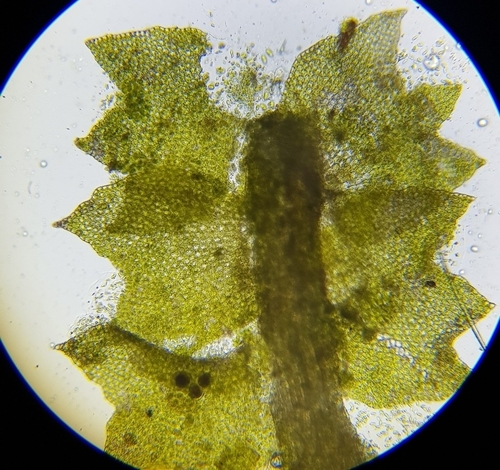
Inflated Notchwort is a small, delicate liverwort characterized by its distinctive inflated, balloon-like leaf lobes that give the species its common name. This bryophyte forms small, pale green to yellowish patches on its substrate and plays an important ecological role in nutrient cycling and providing microhabitat for invertebrates in specialized wetland ecosystems.
Inflated Notchwort faces severe decline primarily due to habitat destruction from agricultural expansion, urban development, and drainage of wetland areas. Climate change and pollution further threaten the specialized microhabitats this bryophyte requires for survival.
Habitat
Inflated Notchwort grows on wet, peaty soils and decaying organic matter in bogs, fens, and other acidic wetland environments. It typically occurs in areas with consistent moisture levels and low nutrient availability, often found along the edges of pools or in seepage areas within peatland systems.
Other threatened species in Anastrophyllaceae


Frequently asked questions
Why is Inflated Notchwort classified as Endangered?
Where does Inflated Notchwort live?
What are the main threats to Inflated Notchwort?
Get weekly conservation intelligence
One short digest a week of the most striking species and country data we ship, plus breaking conservation news paired with our database where it matters.
Free, no spam. One-click unsubscribe in every email.