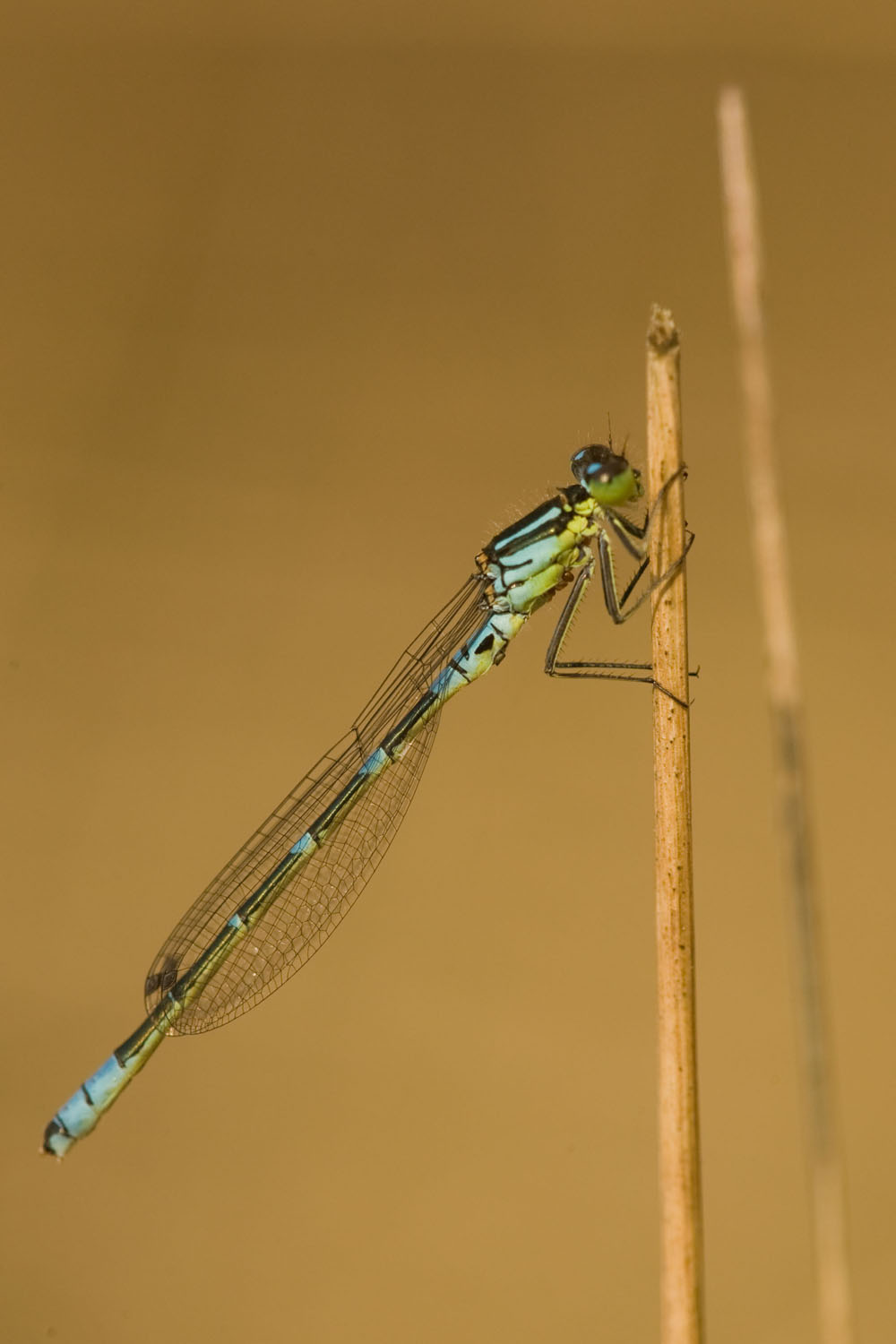
Crescent Bluet
Coenagrion lunulatum
Photo: Wikimedia Commons (CC) via https://en.wikipedia.org/wiki/Irish_damselfly
Overview
A detailed profile for this species is sourced from the IUCN Red List of Threatened Species as assessments become available.
The Irish Damselfly faces severe habitat degradation from agricultural intensification and drainage of its specialized wetland environments. Eutrophication from agricultural runoff has altered water chemistry in many of its remaining sites, while climate change threatens the delicate hydrological balance of the shallow, calcium-rich waters it requires. The species' extremely limited distribution makes it particularly vulnerable to local extinctions from habitat modification.
Habitat
The Irish Damselfly inhabits shallow, calcium-rich lakes, ponds, and slow-flowing streams with abundant emergent vegetation, particularly in areas with marl substrates. It requires clean, well-oxygenated waters with specific chemical conditions and dense stands of aquatic plants for egg-laying and larval development.
Other threatened species in Coenagrionidae


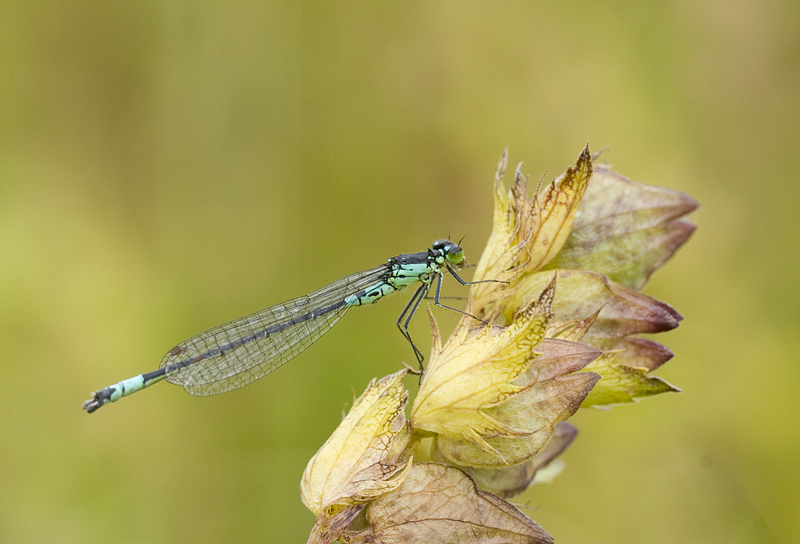
Threatened in Armenia


Frequently asked questions
Why is Crescent Bluet classified as Vulnerable?
Where does Crescent Bluet live?
What are the main threats to Crescent Bluet?
Get weekly conservation intelligence
One short digest a week of the most striking species and country data we ship, plus breaking conservation news paired with our database where it matters.
Free, no spam. One-click unsubscribe in every email.