
Ecuadorian Ivory Palm
Phytelephas aequatorialis
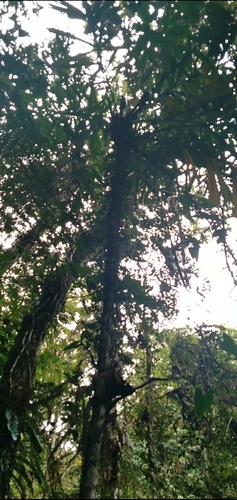
Photo: Wikimedia Commons (CC) via https://en.wikipedia.org/wiki/Phytelephas_aequatorialis
Overview
A detailed profile for this species is sourced from the IUCN Red List of Threatened Species as assessments become available.
The ivory palm faces severe pressure from deforestation and agricultural expansion throughout its limited range in western Ecuador and northwestern Colombia. Intensive harvesting of its seeds for the vegetable ivory trade, while historically sustainable, has increased dramatically as global demand grows. Habitat fragmentation isolates remaining populations, reducing genetic diversity and limiting natural regeneration in degraded forest patches.
Habitat
The ivory palm inhabits humid lowland rainforests and cloud forests from sea level to 1,800 meters elevation along the Pacific coast of Ecuador and Colombia. It thrives in well-drained soils of primary and secondary forests, often forming dense stands in river valleys and on steep mountain slopes.
Other threatened species in Arecaceae
Frequently asked questions
Why is Ecuadorian Ivory Palm classified as Vulnerable?
Where does Ecuadorian Ivory Palm live?
What are the main threats to Ecuadorian Ivory Palm?
Get weekly conservation intelligence
One short digest a week of the most striking species and country data we ship, plus breaking conservation news paired with our database where it matters.
Free, no spam. One-click unsubscribe in every email.