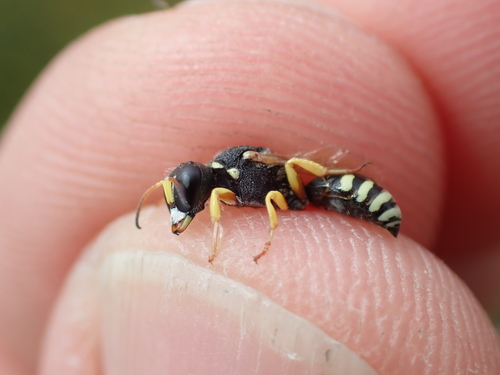
Lestica alata
Photo: Photo: (c) Stefan, some rights reserved (CC BY-NC), uploaded by Stefan
Overview
The ivoorwesp (Lestica alata) is a distinctive ivory-colored wasp species characterized by its elongated wings and robust build. This specialized predatory wasp plays a crucial role in its ecosystem by controlling populations of specific arthropod prey and contributing to pollination services through its nectar-feeding behavior.
The ivoorwesp (Lestica alata) faces severe population declines due to widespread habitat destruction and fragmentation of its specialized nesting sites. Agricultural expansion and urban development have eliminated much of its preferred habitat, while climate change is altering the availability of its specific prey species and nesting conditions.
Habitat
Inhabits sandy heathlands, coastal dunes, and open woodland edges with sparse vegetation where it can excavate ground nests. Requires areas with abundant populations of specific beetle larvae that serve as prey for provisioning its underground brood chambers.
Other threatened species in Crabronidae
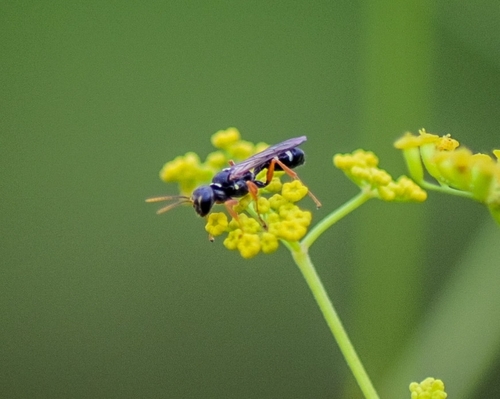
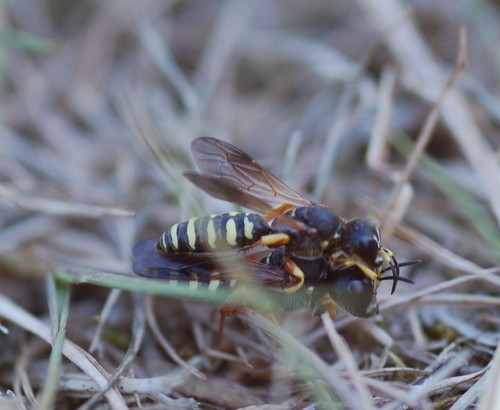
Frequently asked questions
Why is Lestica alata classified as Critically Endangered?
Where does Lestica alata live?
What are the main threats to Lestica alata?
Get weekly conservation intelligence
One short digest a week of the most striking species and country data we ship, plus breaking conservation news paired with our database where it matters.
Free, no spam. One-click unsubscribe in every email.