
European White Stork
Ciconia ciconia
Photo: Wikimedia Commons (CC) via https://en.wikipedia.org/wiki/White_stork
Overview
The White Stork is a large wading bird standing up to 115 cm tall with distinctive white plumage, black wing feathers, and bright red-orange legs and bill. These birds are renowned for their impressive migrations, traveling thousands of kilometers between European breeding grounds and African wintering areas. White Storks primarily feed on frogs, fish, insects, small mammals, and reptiles in shallow wetlands, playing a crucial role as both predator and scavenger in their ecosystems.
White Storks breed across Europe and western Asia, from the Iberian Peninsula to Central Asia, with major populations in Germany, Poland, Spain, and Turkey. They inhabit agricultural landscapes, wetlands, grasslands, and increasingly urban areas where they nest on buildings, towers, and traditional platforms. During winter, most European populations migrate to sub-Saharan Africa, particularly the Sahel region.
Despite their wide distribution, White Storks face significant pressures. Habitat loss through wetland drainage and agricultural intensification has reduced feeding areas. Power line collisions and electrocutions cause substantial mortality during migration and in breeding areas. Climate change affects prey availability and migration timing, while illegal hunting persists along migration routes, particularly in the Middle East.
Conservation efforts include habitat restoration projects, power line modifications to reduce electrocution risks, and artificial nesting platform installation. Several countries have implemented species action plans, and international cooperation addresses migration route protection.
The species shows mixed regional trends. While some Western European populations have recovered through conservation efforts, overall population stability remains uncertain. The IUCN lists the species as Endangered, reflecting ongoing challenges despite localized successes.
White Storks face significant population declines primarily due to habitat loss from agricultural intensification and wetland drainage, which reduces their foraging areas and nesting sites. Climate change is altering migration patterns and breeding success, while collisions with power lines during migration cause substantial mortality. Reduced prey availability from pesticide use and changes in farming practices further threaten their survival.
Habitat
Other threatened species in Ciconiidae
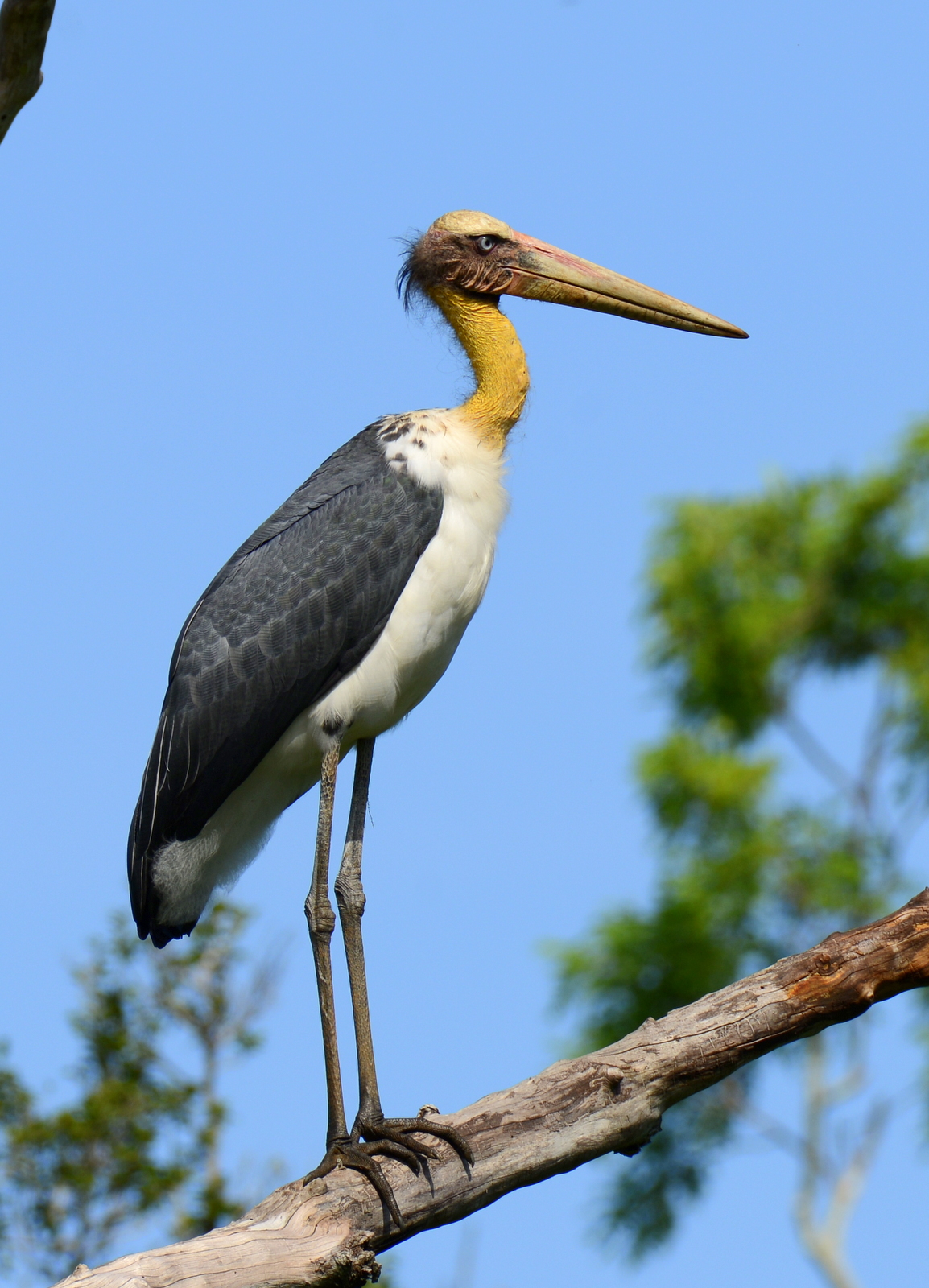

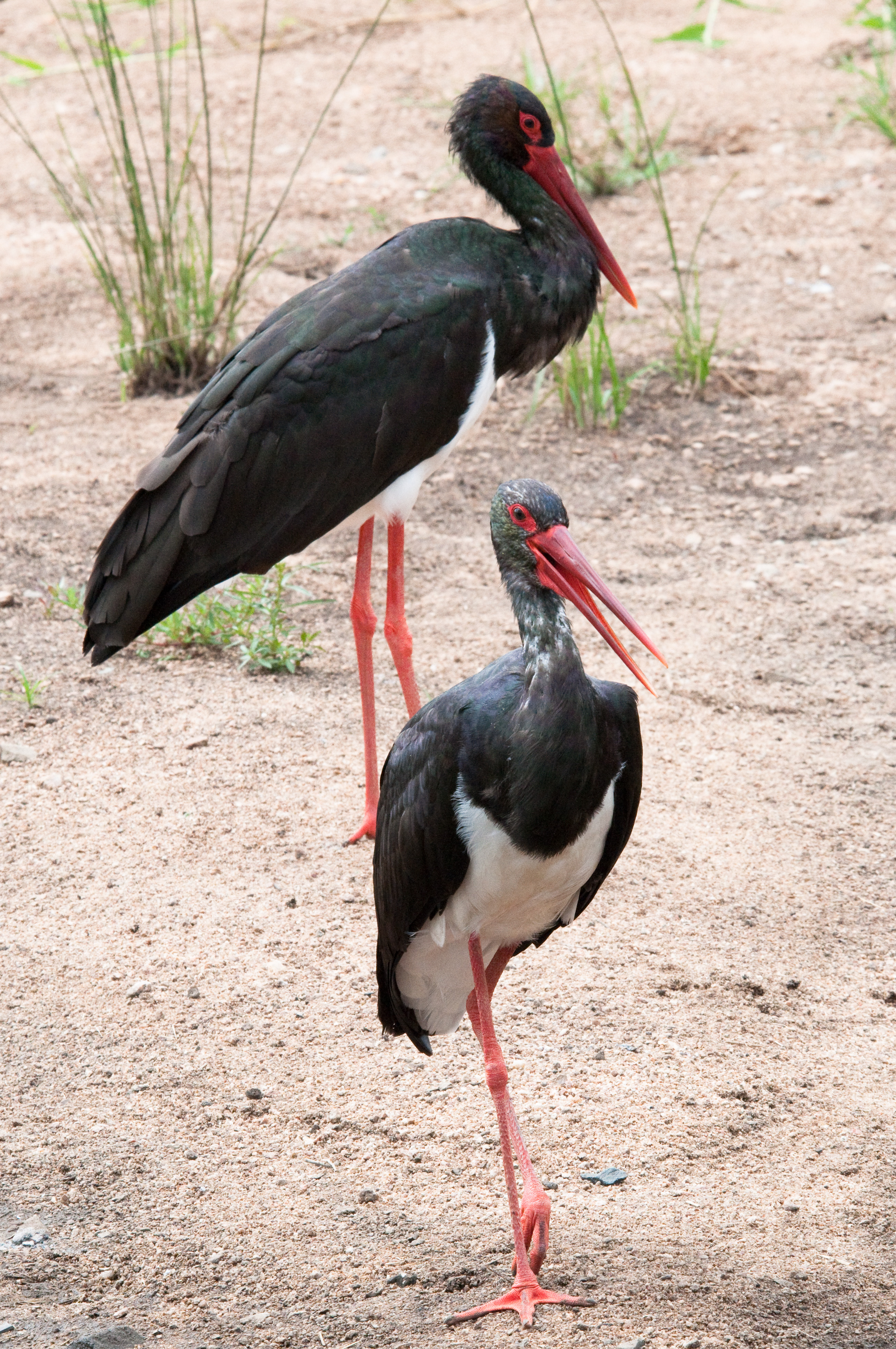
Threatened in Afghanistan

Frequently asked questions
Why is European White Stork classified as Endangered?
Where does European White Stork live?
What are the main threats to European White Stork?
Get weekly conservation intelligence
One short digest a week of the most striking species and country data we ship, plus breaking conservation news paired with our database where it matters.
Free, no spam. One-click unsubscribe in every email.