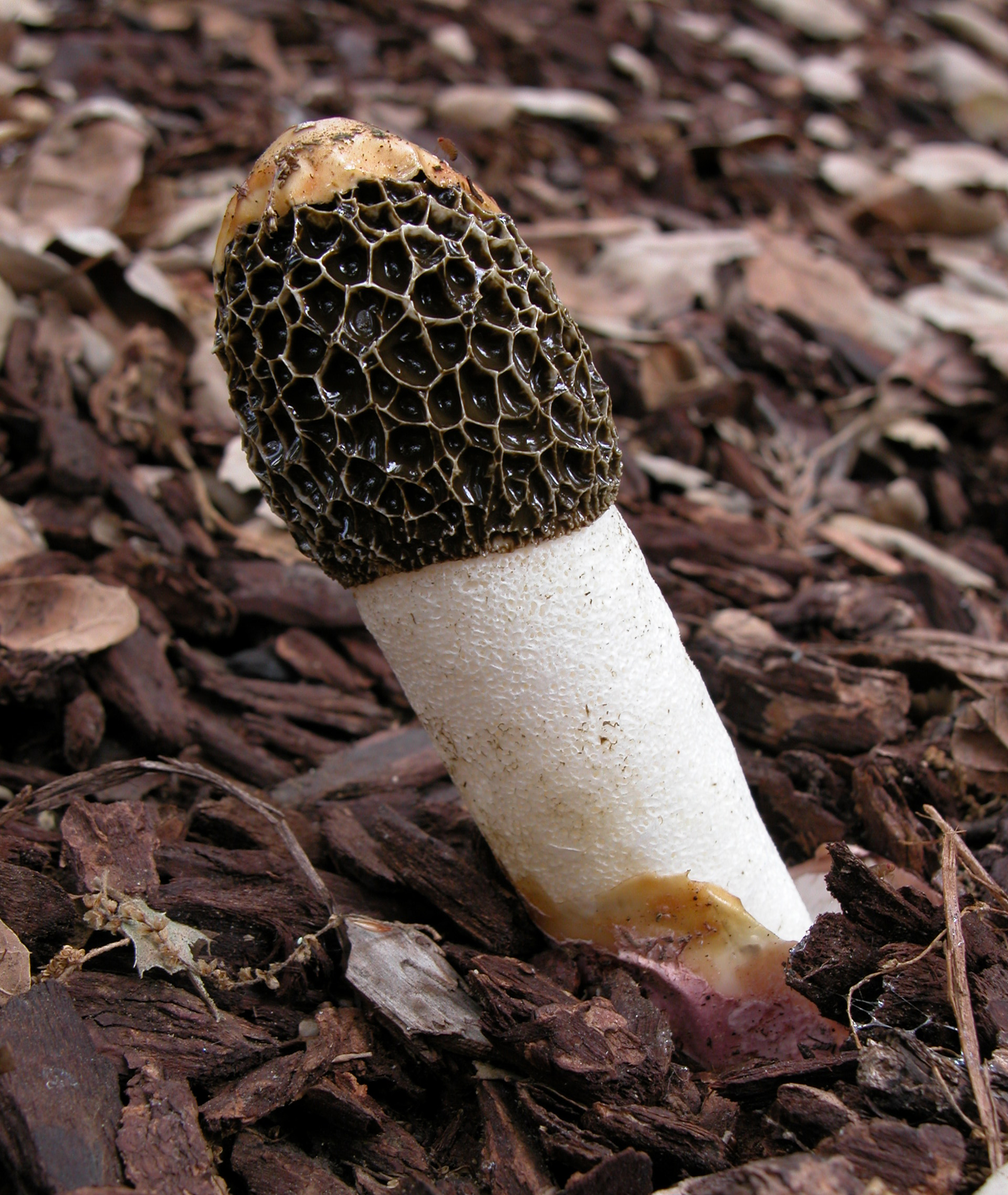
Sand Stinkhorn
Phallus hadriani
Photo: Wikimedia Commons (CC) via https://en.wikipedia.org/wiki/Phallus_hadriani
Overview
Phallus hadriani, commonly known as the dune stinkhorn or the sand stinkhorn, is a species of fungus in the Phallaceae (stinkhorn) family. The stalk of the fruit body reaches up to 20 cm (8 in) tall by 4 cm thick, and is spongy, fragile, and hollow. At the top of the stem is a ridged and pitted, thimble-like cap over which is spread olive-colored spore slime (gleba).
Shortly after emerging, the gleba liquefies and releases a fetid odor that attracts insects, which help disperse the spores. P. hadriani may be distinguished from the similar P.
impudicus by the presence of a pink or violet-colored volva at the base of the stem, and by differences in odor.
The Sand Stinkhorn faces severe threats from coastal development and habitat destruction, as its specialized sandy coastal and dune ecosystems are increasingly converted for tourism and urban development. Climate change poses additional risks through sea level rise and altered precipitation patterns that affect the specific soil conditions this fungus requires for fruiting and spore dispersal.
Habitat
Sandy coastal areas, stabilized sand dunes, and sandy soils near beaches and coastal grasslands, typically in Mediterranean and temperate coastal regions. The species requires well-drained sandy substrates with specific organic matter content and soil chemistry conditions.
Frequently asked questions
Why is Sand Stinkhorn classified as Critically Endangered?
Where does Sand Stinkhorn live?
What are the main threats to Sand Stinkhorn?
Get weekly conservation intelligence
One short digest a week of the most striking species and country data we ship, plus breaking conservation news paired with our database where it matters.
Free, no spam. One-click unsubscribe in every email.