Species Explorer
Browse and search species from the IUCN Red List and GBIF.
54,666 species

Scaly-throated Leaftosser
VUSclerurus guatemalensis
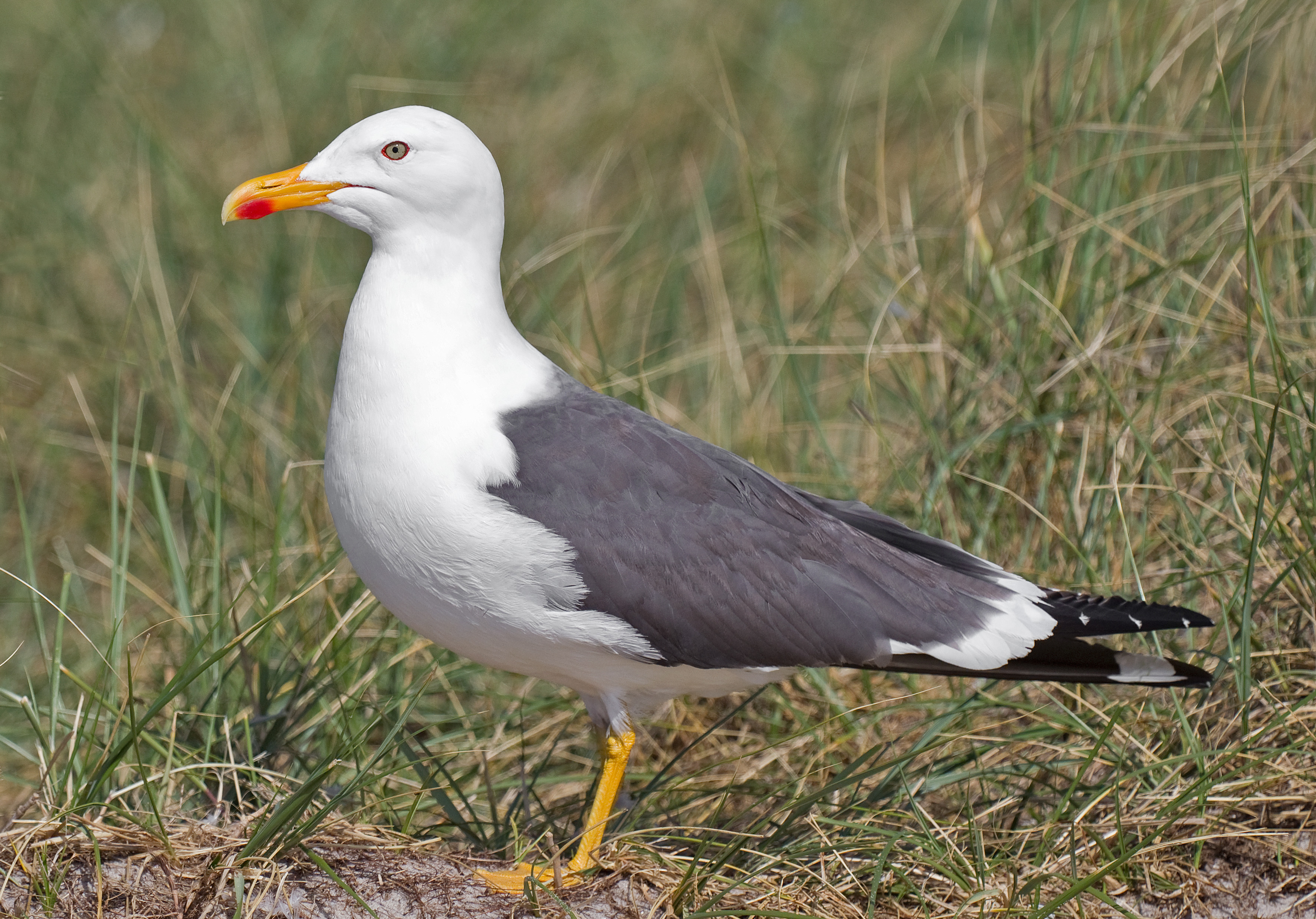
Scandinavian Lesser Black-backed Gull
VULarus fuscus
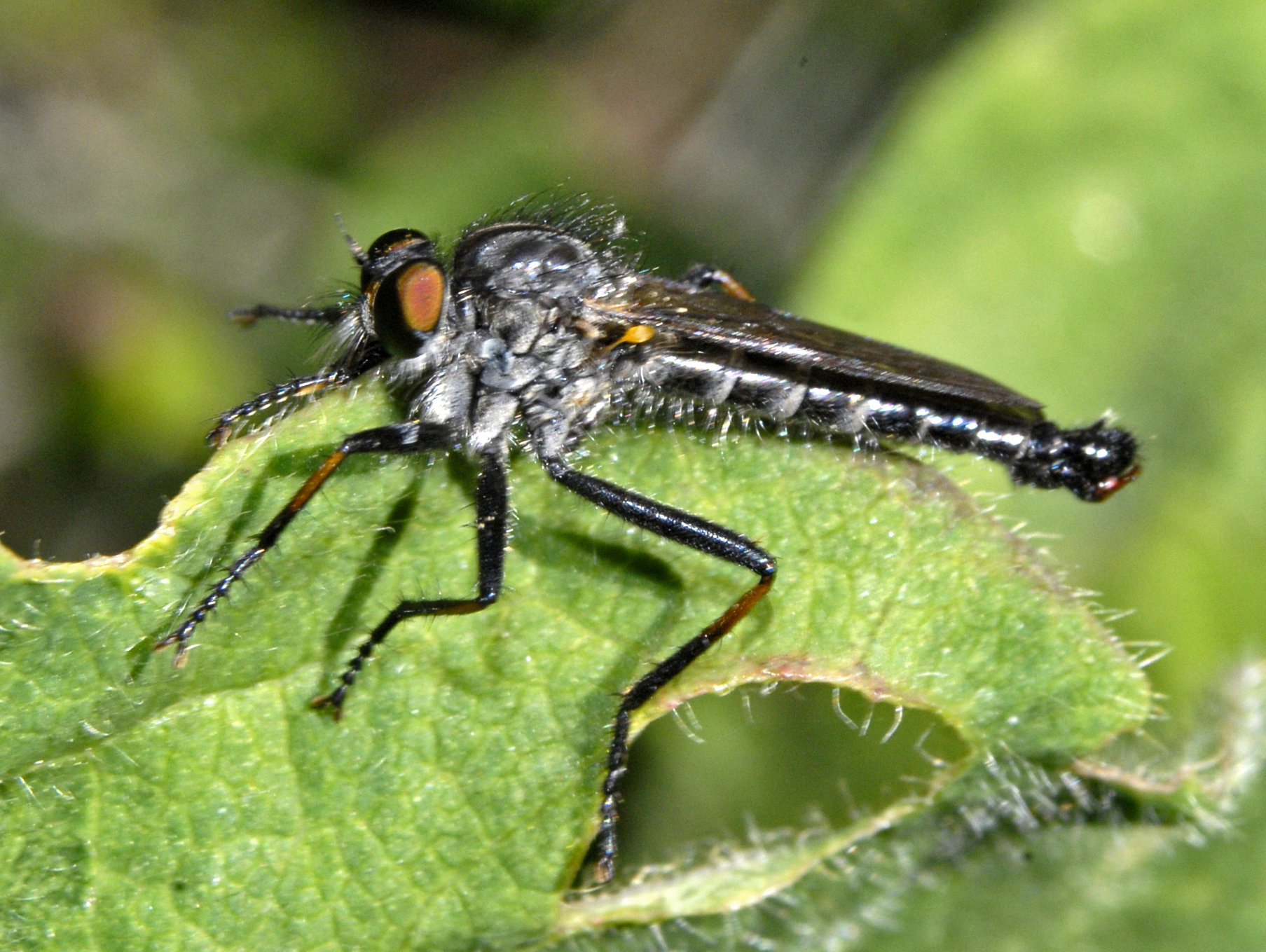
Scarce Awl Robberfly
CRNeoitamus cothurnatus
The Scarce Awl Robberfly faces primary threats from habitat loss and degradation, particularly the destruction of woodland edge environments through agricultural intensification and urban development. Climate change may further impact the species by altering habitat conditions and affecting prey availability.
Scarce Blackneck
CRLygephila craccae
The Scarce Blackneck faces severe population declines due to widespread habitat loss from agricultural intensification and urbanization across its range. Climate change is altering the distribution and phenology of its host plants, disrupting critical breeding cycles. The species' specialized ecological requirements and fragmented populations make it particularly vulnerable to local extinctions.

Scarce Blue-tailed Damselfly
ENIschnura pumilio

Scarce Brown Streak
VUAplota palpella

Scarce Chaser
CRLibellula fulva
The Scarce Chaser faces severe threats from habitat loss and degradation of its specialized wetland environments, particularly through drainage of shallow lakes, ponds, and slow-flowing rivers for agriculture and development. Water pollution from agricultural runoff and urban development further compromises the quality of remaining aquatic habitats essential for larval development.

Scarce Chocolate-tip
VUClostera anachoreta

Scarce Copper
CRLycaena virgaureae
The Scarce Copper faces severe population declines across its range due to habitat loss and fragmentation of its specialized moorland and heathland environments. Climate change and intensive land management practices have further reduced the availability of suitable breeding sites and host plants, pushing remaining populations toward critical thresholds.
Scarce Crimson & Gold
ENPyrausta sanguinalis
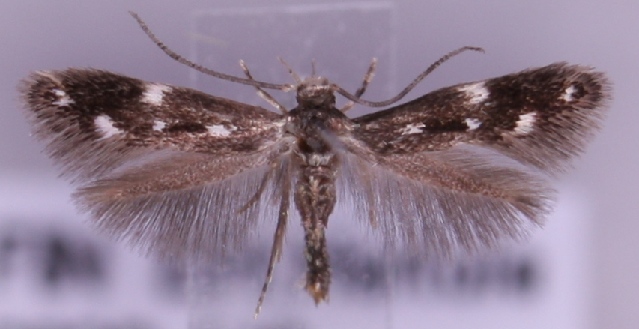
Scarce Dwarf
VUElachista trapeziella
Scarce Fritillary
CREuphydryas maturna
The Scarce Fritillary faces severe population declines across its European range due to widespread habitat loss and fragmentation of its specialized woodland environments. Traditional forest management practices that maintained the open woodland structure this species requires have largely disappeared, while climate change is pushing suitable habitat northward and to higher elevations.
Scarce Gold Conch
ENPhtheochroa schreibersiana

Scarce Green Lestes
VULestes dryas
Scarce Heath
VUCoenonympha hero

Scarce Large Blue
CRPhengaris teleius
The Scarce Large Blue faces severe population declines across its range due to habitat destruction and the loss of its highly specialized ecological requirements. This butterfly depends on specific host plants and ant species for its complex lifecycle, making it extremely vulnerable to environmental changes and fragmentation of grassland habitats.

Scarce Swallowtail
VUIphiclides podalirius

Scarlet Brittlegill
VURussula pseudointegra

Scarlet Waxcrust
ENPhlebia coccineofulva

Scarlet Waxy Cap
CRHygrocybe coccinea
The Scarlet Waxy Cap faces severe population declines due to widespread habitat destruction and degradation of its specialized grassland ecosystems. Agricultural intensification, nitrogen pollution, and the loss of traditional low-intensity farming practices have dramatically reduced suitable habitat across its range, making this distinctive red fungus increasingly rare.

Scarlet-backed Woodpecker
ENVeniliornis callonotus

Scarlet-breasted Dacnis
VUDacnis berlepschi

Scarlet-breasted Fruiteater
VUPipreola frontalis

Scarlet-collared Flowerpecker
VUDicaeum retrocinctum

Scarlet-headed Blackbird
VUAmblyramphus holosericeus
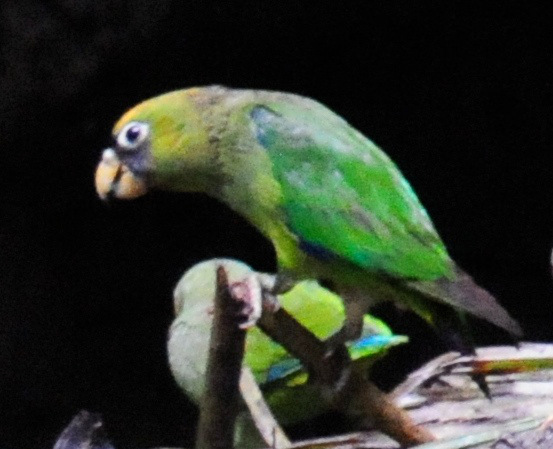
Scarlet-shouldered Parrotlet
VUTouit huetii
Scented Oakfern
CRGymnocarpium robertianum
Scented Oakfern faces severe threats from habitat destruction and fragmentation of its specialized limestone environments. Climate change poses additional risks by altering the cool, moist microclimate conditions this species requires, while human disturbance from quarrying and recreational activities further degrades its already limited suitable habitat.

Scentless Chamomile
VUAnthemis arvensis
schaduwdruppelkorst
VUFellhanera subtilis
Scharzbraungegürtelter Gürtelfuß
VUCortinarius fuscoperonatus
Schattenliebende Brombeere
ENRubus sciocharis

Scherer’s Button Lichen
ENBuellia schaereri

Schiefergrauer Rötling
VUEntoloma mougeotii
Schlankfeuerzikade
ENZygina angusta

Schlegel's Rail
VUGymnocrex rosenbergii
Schleier-Schirmling
VULepiota cortinarius

Schneider
CRAlburnoides bipunctatus
Schneider (Alburnoides bipunctatus) faces severe threats from habitat degradation and water pollution across its freshwater range. Dam construction, river channelization, and agricultural runoff have significantly impacted water quality and flow regimes in the streams and rivers this species depends on for survival and reproduction.
Schorrensigaar
CRSigara selecta
Sigara selecta faces severe threats from habitat degradation and loss of suitable aquatic environments. Water pollution, agricultural runoff, and urban development have significantly reduced the quality and availability of the clean freshwater habitats this species requires for survival and reproduction.
schorrentandkaak
VUEnoplognatha mordax
Schorrenwolfspin
CRPardosa purbeckensis
Pardosa purbeckensis faces severe threats from coastal habitat loss and degradation due to sea level rise, coastal development, and changes in saltmarsh management practices. The species' extremely restricted range on the Dorset coast makes it particularly vulnerable to local extinctions from habitat modification and climate change impacts on its specialized saltmarsh environment.
Schorsknotje
VUTachyta nana
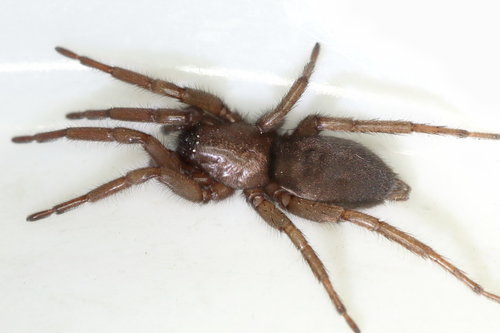
schorsmuisspin
CRHaplodrassus cognatus
The schorsmuisspin faces severe threats from habitat loss due to coastal development and recreational activities in its specialized dune ecosystem. Natural vegetation succession that increases plant density also reduces suitable open sandy habitat. Climate change may further impact the species through altered environmental conditions in coastal areas.
schubbige knobbelspoorvezelkop
VUInocybe margaritispora
Schuppiger Nabel-Rötling
ENEntoloma pseudoturci
Schwachfilziger Schirmling
VULepiota tomentella
Schwärzender Wasserkopf
VUCortinarius rubricosus
Schwarzer Mulmkäfer
VUCerophytum elateroides
Schwarzfüßiger Rißpilz
VUInocybe tenebrosa

Schwarzköpfiger Haarstern
ENGeastrum melanocephalum
Schwefelgelber Mehlschirmling
VUCystolepiota icterina