
Sand Dart
Agrotis ripae
Photo: Wikimedia Commons (CC) via https://en.wikipedia.org/wiki/Agrotis_ripae
Overview
A detailed profile for this species is sourced from the IUCN Red List of Threatened Species as assessments become available.
The Sand Dart faces severe habitat loss due to coastal development and tourism infrastructure along its restricted range in the Canary Islands. Climate change poses additional pressure through altered precipitation patterns affecting the sparse vegetation that larvae depend upon. Invasive plant species are displacing native flora essential for the moth's lifecycle, while light pollution from coastal developments disrupts adult flight patterns and mating behaviors.
Habitat
The Sand Dart inhabits coastal sandy areas and dune systems in the Canary Islands, particularly areas with sparse, low-growing vegetation. Adults are active in sandy coastal environments where they rely on specific native plant species for larval development.
Other threatened species in Noctuidae
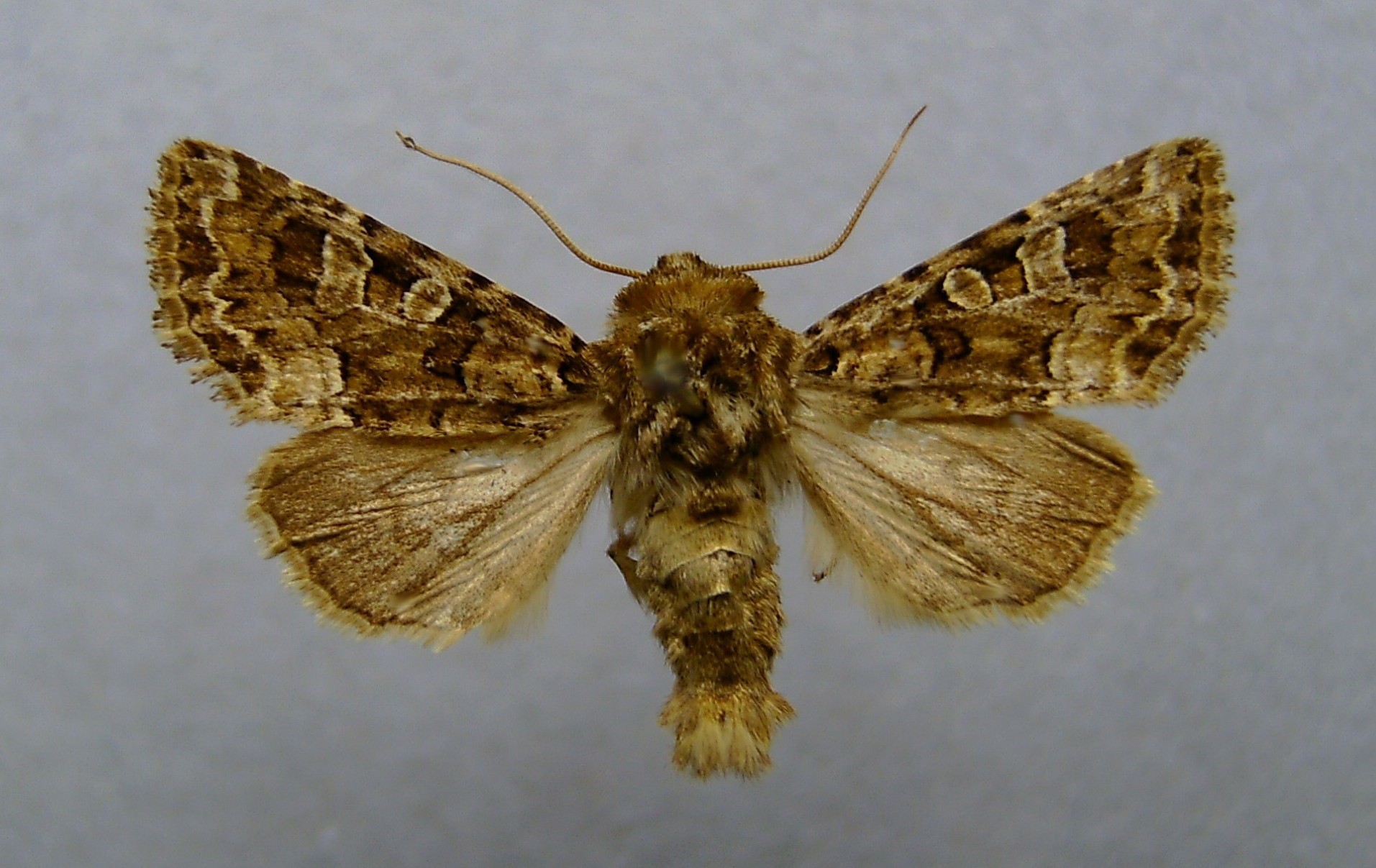
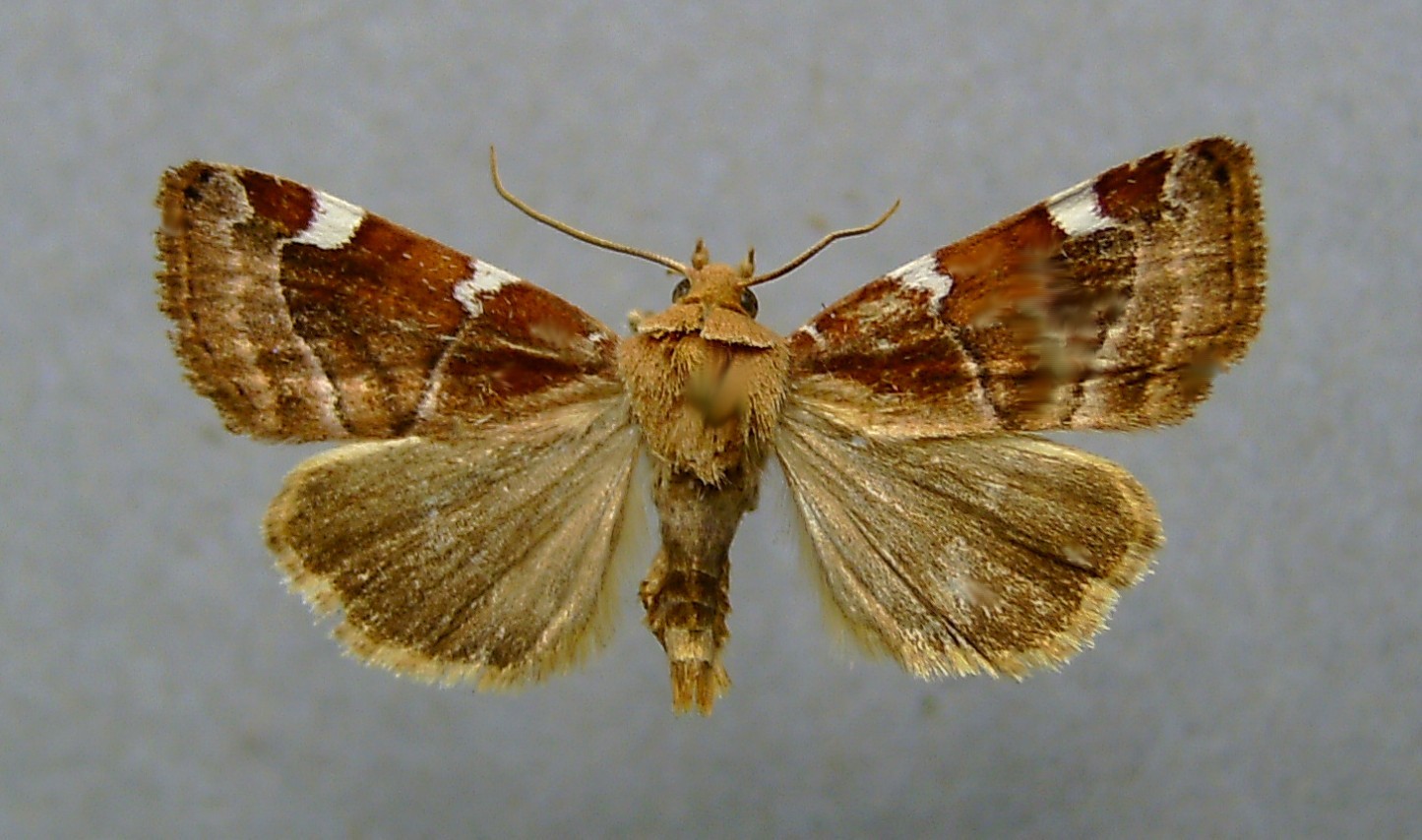

Threatened in Belgium

Frequently asked questions
Why is Sand Dart classified as Endangered?
Where does Sand Dart live?
What are the main threats to Sand Dart?
Get weekly conservation intelligence
One short digest a week of the most striking species and country data we ship, plus breaking conservation news paired with our database where it matters.
Free, no spam. One-click unsubscribe in every email.