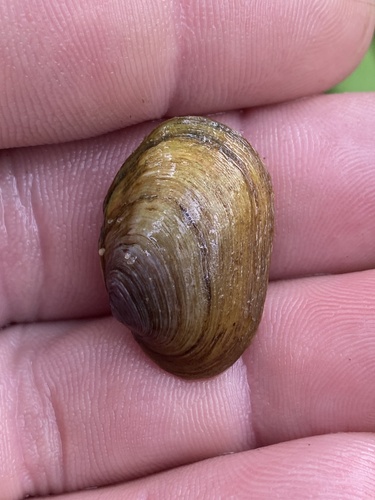
Savannah Lilliput
Toxolasma pullum
Overview
A detailed profile for this species is sourced from the IUCN Red List of Threatened Species as assessments become available.
The Savannah Lilliput faces severe population declines primarily due to habitat degradation from agricultural runoff and sedimentation in its freshwater mussel beds. Dam construction and water diversions have altered natural flow regimes essential for its reproductive cycle, while invasive zebra mussels compete for resources and filter feeding space. Climate change-induced droughts and extreme weather events further stress remaining populations in already fragmented river systems.
Habitat
The Savannah Lilliput inhabits sandy and muddy substrates of medium to large rivers with moderate to swift currents, typically in depths of 1-3 meters. It requires stable, well-oxygenated waters with minimal siltation and depends on host fish species for larval development and dispersal.
Other threatened species in Unionidae
Threatened in United States
Frequently asked questions
Why is Savannah Lilliput classified as Vulnerable?
Where does Savannah Lilliput live?
What are the main threats to Savannah Lilliput?
Get weekly conservation intelligence
One short digest a week of the most striking species and country data we ship, plus breaking conservation news paired with our database where it matters.
Free, no spam. One-click unsubscribe in every email.