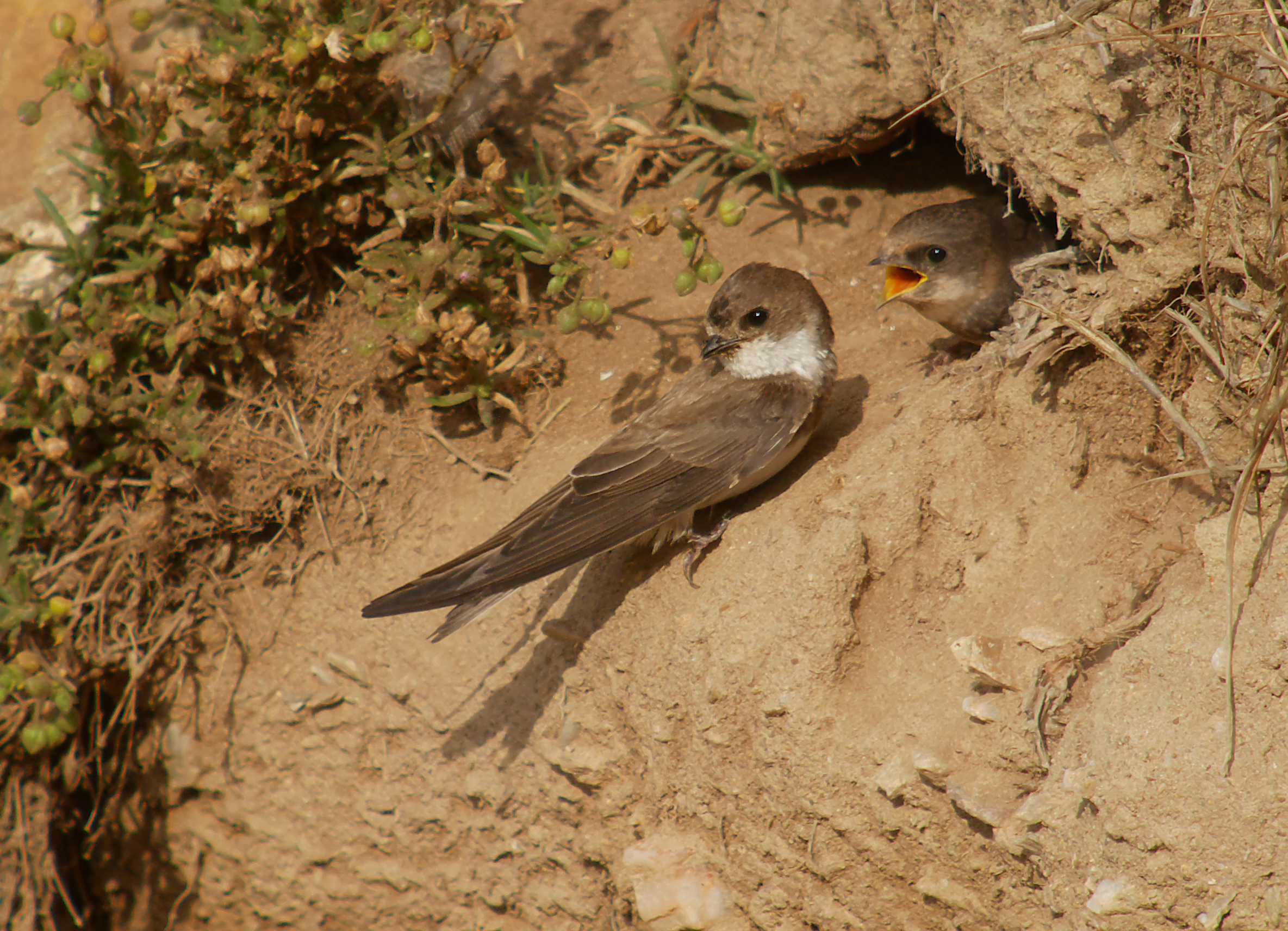
BASW
Riparia riparia
Photo: Wikimedia Commons (CC) via https://en.wikipedia.org/wiki/Sand_martin
Overview
A detailed profile for this species is sourced from the IUCN Red List of Threatened Species as assessments become available.
Sand Martin populations have declined dramatically across much of their range, with European populations falling by over 50% since the 1970s due to agricultural intensification reducing insect prey availability. Climate change disrupts their precisely-timed migration between breeding and wintering grounds, while drought conditions in their African wintering areas have severely impacted survival rates. Riverbank development and flood control measures have eliminated many traditional nesting sites along natural watercourses.
Habitat
Sand Martins nest colonially in burrows excavated in vertical riverbanks, coastal cliffs, quarries, and artificial sites like gravel pits. They require open areas near water bodies for foraging on aerial insects, spending much of their time hawking for prey over rivers, lakes, and wetlands.
Other threatened species in Hirundinidae
Frequently asked questions
Why is BASW classified as Vulnerable?
Where does BASW live?
What are the main threats to BASW?
Get weekly conservation intelligence
One short digest a week of the most striking species and country data we ship, plus breaking conservation news paired with our database where it matters.
Free, no spam. One-click unsubscribe in every email.