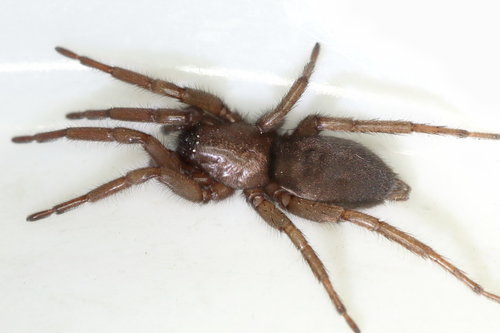
Pholcomma gibbum
Overview
A detailed profile for this species is sourced from the IUCN Red List of Threatened Species as assessments become available.
The pantserkogelspin faces severe habitat degradation due to agricultural intensification and urban development across its limited range in South Africa's Western Cape. Mining activities and invasive plant species further fragment its specialized fynbos habitat, while climate change alters the moisture regimes essential for this ground-dwelling spider's survival.
Habitat
This species inhabits the unique fynbos vegetation of South Africa's Western Cape, particularly favoring areas with dense shrubland and rocky outcrops. It constructs its webs in low vegetation and among stones in well-drained sandy soils typical of the Mediterranean-climate region.
Other threatened species in Theridiidae


Threatened in Åland Islands


Frequently asked questions
Why is Pholcomma gibbum classified as Vulnerable?
Where does Pholcomma gibbum live?
What are the main threats to Pholcomma gibbum?
Get weekly conservation intelligence
One short digest a week of the most striking species and country data we ship, plus breaking conservation news paired with our database where it matters.
Free, no spam. One-click unsubscribe in every email.