
Palm Lorikeet
Charmosyna palmarum
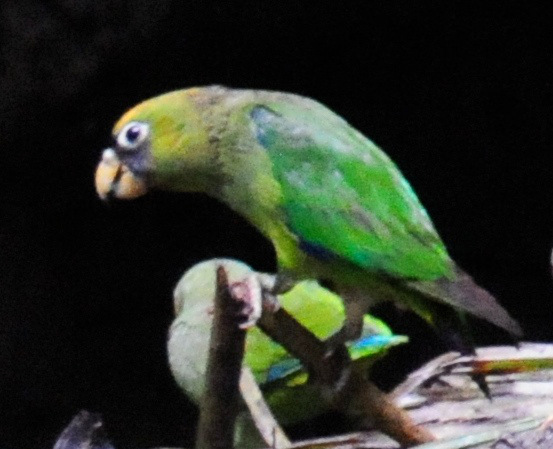
Photo: Wikimedia Commons (CC) via https://en.wikipedia.org/wiki/Palm_lorikeet
Overview
A detailed profile for this species is sourced from the IUCN Red List of Threatened Species as assessments become available.
The Palm Lorikeet faces severe pressure from habitat destruction across its limited range in the Santa Cruz Islands and Vanuatu. Logging operations and agricultural expansion have fragmented the lowland and hill forests essential for this species' survival. Cyclones pose an additional threat to remaining forest patches, while the species' specialized diet of palm nectar and small fruits makes it particularly vulnerable to ecosystem disruption.
Habitat
Palm Lorikeets inhabit lowland and hill forests up to 800 meters elevation, showing a strong preference for areas with abundant flowering palms and fruit trees. They are particularly associated with coconut palms and native Pandanus trees in both primary forest and forest edge habitats.
Other threatened species in Psittacidae


Frequently asked questions
Why is Palm Lorikeet classified as Vulnerable?
Where does Palm Lorikeet live?
What are the main threats to Palm Lorikeet?
Get weekly conservation intelligence
One short digest a week of the most striking species and country data we ship, plus breaking conservation news paired with our database where it matters.
Free, no spam. One-click unsubscribe in every email.