Lasiargus hirsutus
Overview
A detailed profile for this species is sourced from the IUCN Red List of Threatened Species as assessments become available.
The pälsdvärgspindel faces significant pressure from habitat degradation in its specialized forest environments, where logging and forest management practices alter the microhabitat structure essential for this small spider species. Climate change poses additional risks by affecting the moisture and temperature conditions of the forest floor and understory vegetation where these spiders construct their webs and hunt for prey.
Habitat
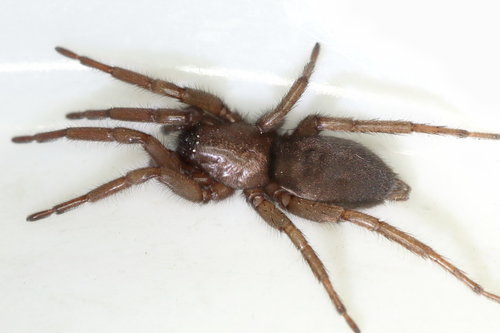
This species inhabits mature coniferous and mixed forests, particularly favoring areas with dense understory vegetation and stable microclimate conditions. It typically occupies the forest floor and lower vegetation layers where it can find suitable prey and construct its characteristic webs.
Other threatened species in Linyphiidae
Threatened in Åland Islands


Frequently asked questions
Why is Lasiargus hirsutus classified as Vulnerable?
Where does Lasiargus hirsutus live?
What are the main threats to Lasiargus hirsutus?
Get weekly conservation intelligence
One short digest a week of the most striking species and country data we ship, plus breaking conservation news paired with our database where it matters.
Free, no spam. One-click unsubscribe in every email.