
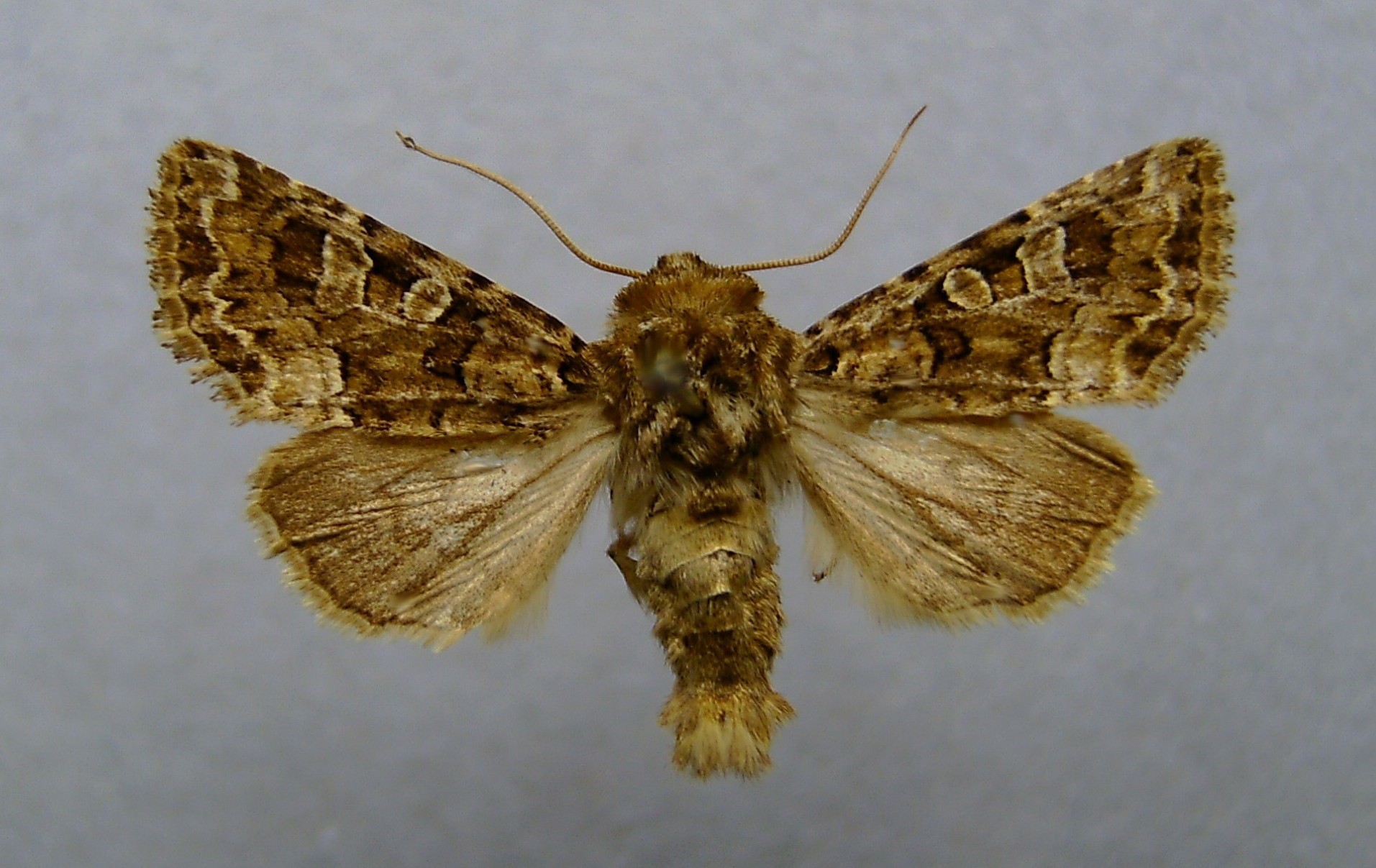
pale-shouldered cloud
Chloantha hyperici
Photo: Wikimedia Commons (CC) via https://en.wikipedia.org/wiki/Chloantha_hyperici
Overview
A detailed profile for this species is sourced from the IUCN Red List of Threatened Species as assessments become available.
The pale-shouldered cloud moth faces severe population declines primarily due to habitat loss and degradation of its specialized host plant communities. Climate change and agricultural intensification have further reduced suitable breeding sites, while light pollution disrupts critical nocturnal behaviors essential for reproduction and survival.
Habitat
Inhabits open woodlands, heathlands, and grasslands where its host plants (St. John's wort species, Hypericum) are present. Prefers semi-natural habitats including woodland edges, chalk downs, and coastal areas with scattered scrubland vegetation.
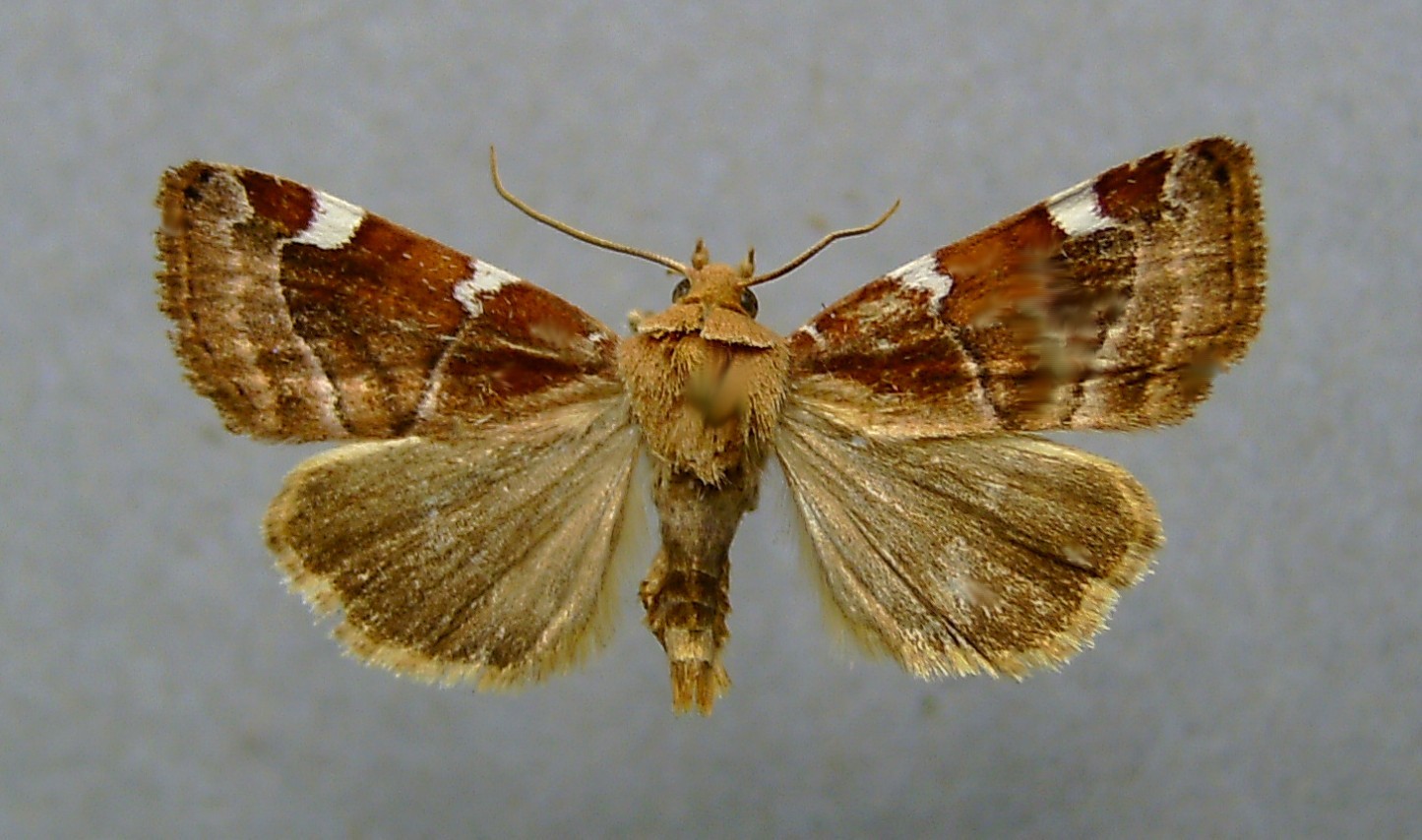
Other threatened species in Noctuidae

Frequently asked questions
Why is pale-shouldered cloud classified as Critically Endangered?
Where does pale-shouldered cloud live?
What are the main threats to pale-shouldered cloud?
Get weekly conservation intelligence
One short digest a week of the most striking species and country data we ship, plus breaking conservation news paired with our database where it matters.
Free, no spam. One-click unsubscribe in every email.