
Northern Colletes
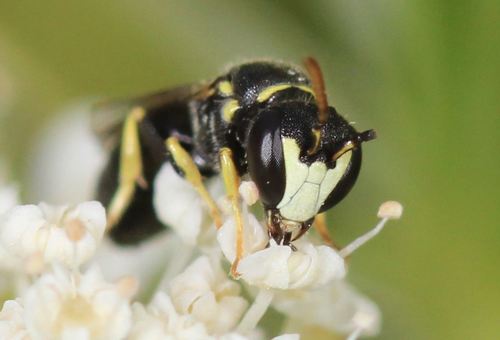
Colletes floralis
Photo: Wikimedia Commons (CC) via https://en.wikipedia.org/wiki/Northern_colletes
Overview
The northern colletes is a species of bee the family Colletidae. Northern colletes are solitary bees, though females may nest in what are termed aggregations – sites where the bees nest close together, but do not form colonies as social bees do. They nest underground in soft soil, digging burrows up to 20 times their body length. It is often to be found nesting in coastal sand dunes and, on Hebridean islands, machair.
Northern Colletes faces severe population declines due to habitat loss from agricultural intensification and urban development destroying the specialized nesting sites and floral resources this solitary bee requires. Climate change is altering flowering phenology of key plant species, creating temporal mismatches between bee emergence and nectar availability, while pesticide use in agricultural landscapes poses additional mortality risks.
Habitat
Northern Colletes inhabits sandy coastal areas, heathlands, and open grasslands where it constructs underground nests in well-drained sandy soils. The species requires proximity to specific flowering plants including asters and other late-season composites that provide essential pollen and nectar resources.
Other threatened species in Colletidae

Threatened in Afghanistan

Frequently asked questions
Why is Northern Colletes classified as Critically Endangered?
Where does Northern Colletes live?
What are the main threats to Northern Colletes?
Get weekly conservation intelligence
One short digest a week of the most striking species and country data we ship, plus breaking conservation news paired with our database where it matters.
Free, no spam. One-click unsubscribe in every email.