
Norfolk Skullcap
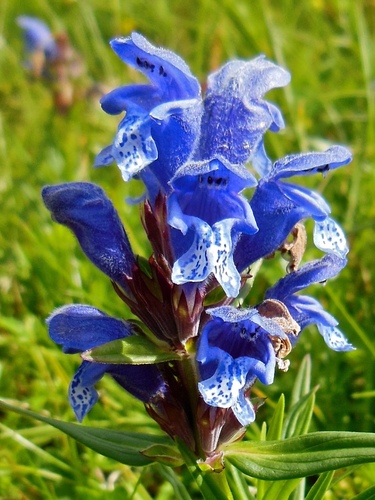
Scutellaria hastifolia
Photo: Photo: Wikimedia Commons, CC BY-SA
Overview
A detailed profile for this species is sourced from the IUCN Red List of Threatened Species as assessments become available.
Norfolk Skullcap faces severe threats from its extremely limited distribution on Norfolk Island, where habitat degradation from invasive plant species and historical land clearing have significantly reduced suitable growing areas. The species' small population size makes it highly vulnerable to stochastic events and genetic bottlenecks, while ongoing pressure from introduced weeds continues to degrade its remaining habitat.
Habitat
Norfolk Skullcap occurs in coastal cliff areas, rocky outcrops, and remnant native vegetation on Norfolk Island. The species typically grows in well-drained soils among native shrublands and forest margins in exposed coastal environments.
Other threatened species in Lamiaceae


Frequently asked questions
Why is Norfolk Skullcap classified as Critically Endangered?
Where does Norfolk Skullcap live?
What are the main threats to Norfolk Skullcap?
Get weekly conservation intelligence
One short digest a week of the most striking species and country data we ship, plus breaking conservation news paired with our database where it matters.
Free, no spam. One-click unsubscribe in every email.