
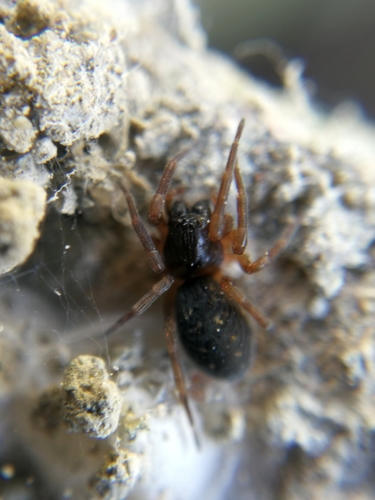
Dictyna major
Photo: Wikimedia Commons (CC) via https://en.wikipedia.org/wiki/Dictyna_major
Overview
Dictyna major is a species of mesh web weaver in the spider family Dictynidae. It is found in North America, Europe, a range from Russia to Tajikistan, and China.
Dictyna major faces severe population declines due to habitat destruction from urbanization and agricultural expansion, which eliminates the specific microhabitats this specialized spider requires. Climate change and pollution further threaten remaining populations by altering the delicate ecological conditions necessary for web construction and prey availability.
Habitat
This species inhabits specific microhabitats including bark crevices of mature deciduous trees, wooden structures, and stone walls in temperate regions. It constructs distinctive mesh webs in sheltered locations with appropriate humidity and temperature conditions.
Other threatened species in Dictynidae
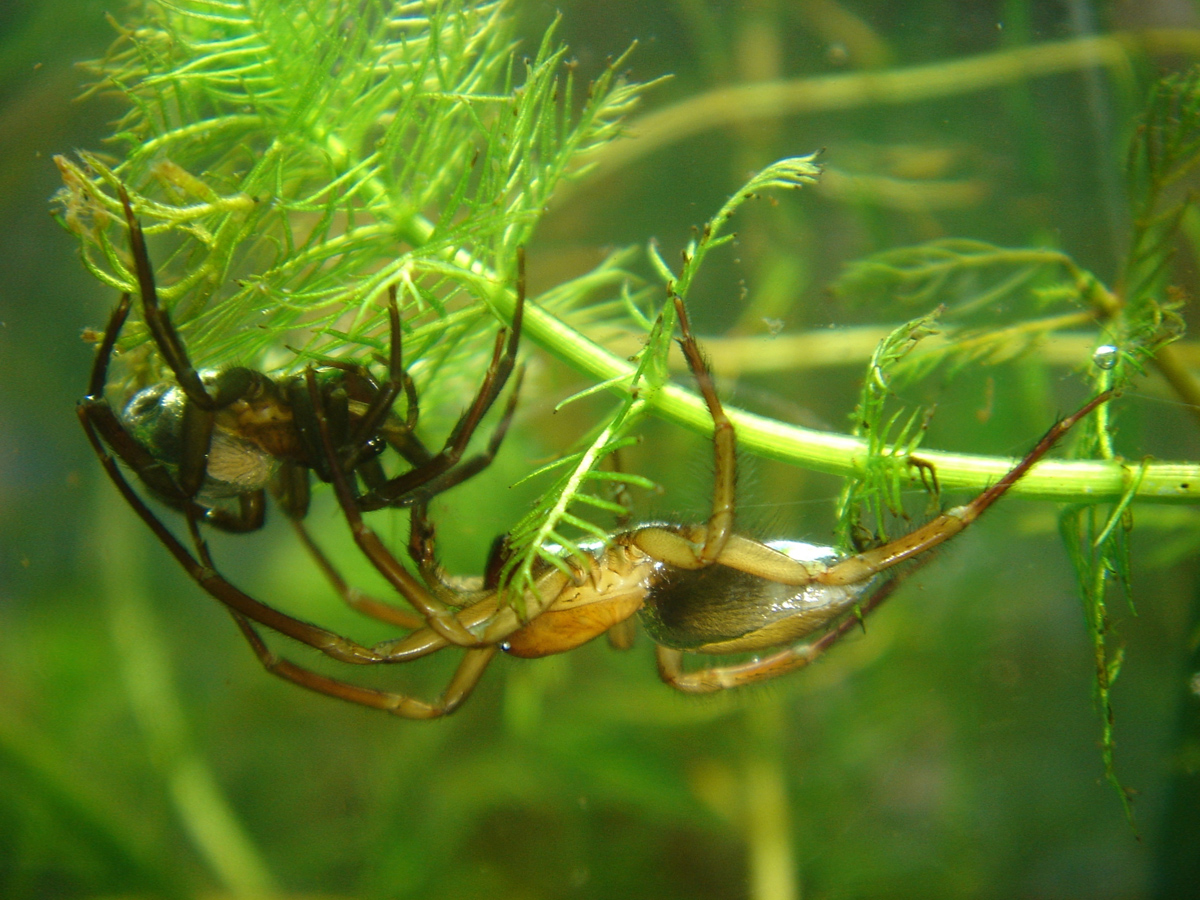
Threatened in Austria
Frequently asked questions
Why is Dictyna major classified as Critically Endangered?
Where does Dictyna major live?
What are the main threats to Dictyna major?
Get weekly conservation intelligence
One short digest a week of the most striking species and country data we ship, plus breaking conservation news paired with our database where it matters.
Free, no spam. One-click unsubscribe in every email.