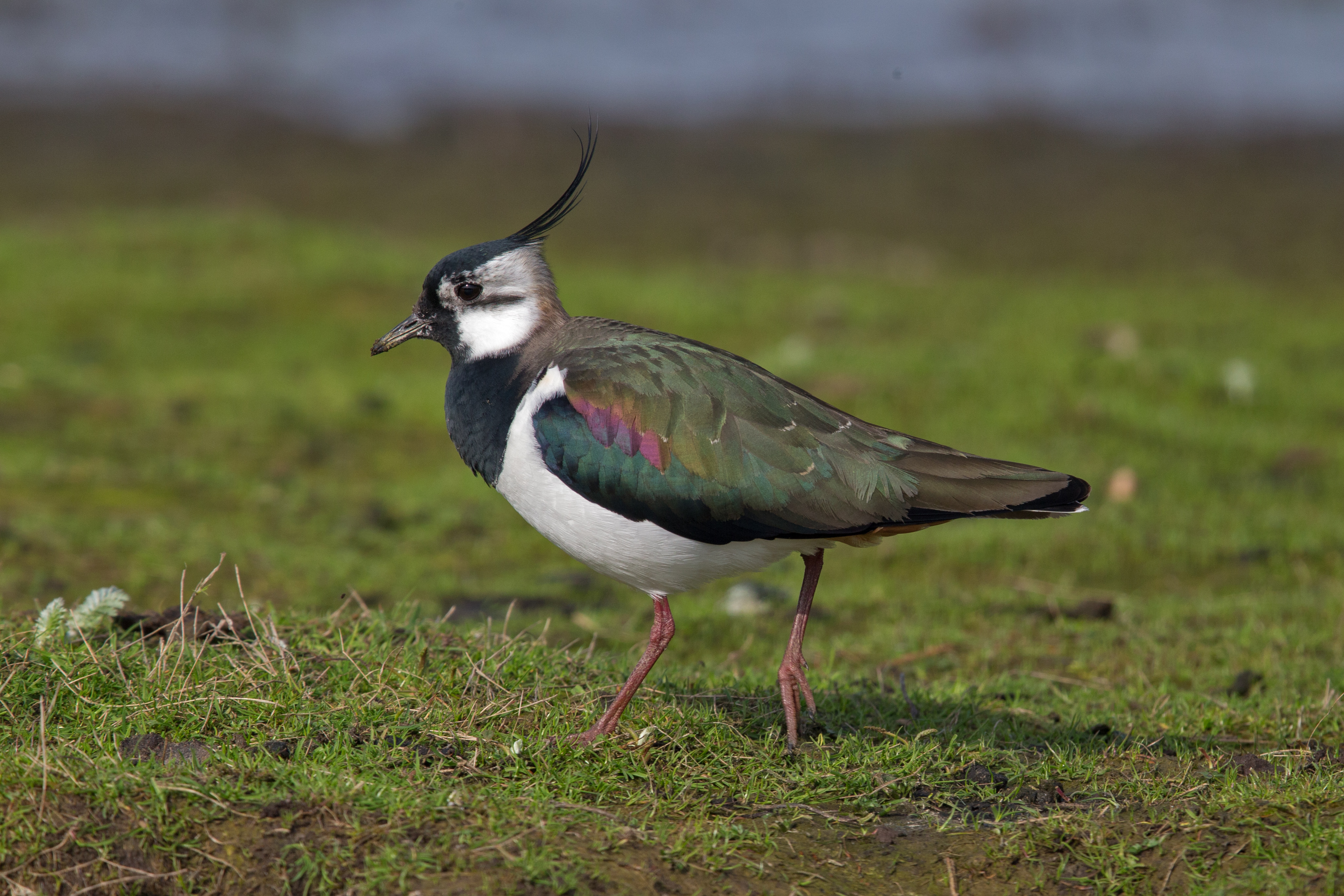
Green Plover
Vanellus vanellus
Photo: Wikimedia Commons (CC) via https://en.wikipedia.org/wiki/Northern_lapwing
Overview
Northern Lapwing (Vanellus vanellus)
The Northern Lapwing is a distinctive medium-sized wading bird characterized by its iridescent dark green upperparts, white underparts, and prominent black crest. Adults measure 28-31 cm in length with a wingspan of 67-87 cm. Notable for their acrobatic flight displays and distinctive "peewit" call, lapwings perform elaborate tumbling courtship flights during breeding season.
These ground-nesting birds play important ecological roles as both predators of invertebrates and prey for larger species.
Northern Lapwings inhabit a vast range across Europe and Asia, with populations extending from Scandinavia to China and wintering as far south as North Africa and Southeast Asia. They prefer open terrestrial habitats including agricultural fields, grasslands, moorlands, and wetland margins. The species favors short vegetation that provides visibility while foraging for earthworms, insects, and other invertebrates.
Despite their extensive range, Northern Lapwings face significant population declines, particularly in Western Europe. Agricultural intensification represents the primary threat, with changes in farming practices reducing suitable nesting habitat and food availability. Increased use of pesticides, earlier mowing schedules, and conversion of mixed farmland to intensive monocultures have severely impacted breeding success.
Drainage of wetlands and urban development further restrict available habitat.
Conservation efforts include agri-environment schemes that provide payments to farmers for lapwing-friendly practices, such as delayed mowing and maintaining suitable field conditions. Several European countries have implemented specific management programs, though coordination across the species' extensive range remains challenging.
The species' current trajectory varies regionally, with continued declines in many Western European populations despite conservation interventions, while some Eastern European populations remain more stable.
The Northern Lapwing has experienced severe population declines across its range, primarily due to agricultural intensification that has eliminated traditional mixed farming practices and reduced suitable nesting habitat. Changes in grassland management, including earlier and more frequent mowing, increased use of fertilizers and pesticides, and conversion of permanent grasslands to arable crops have significantly impacted breeding success and food availability.
Habitat
Other threatened species in Charadriidae
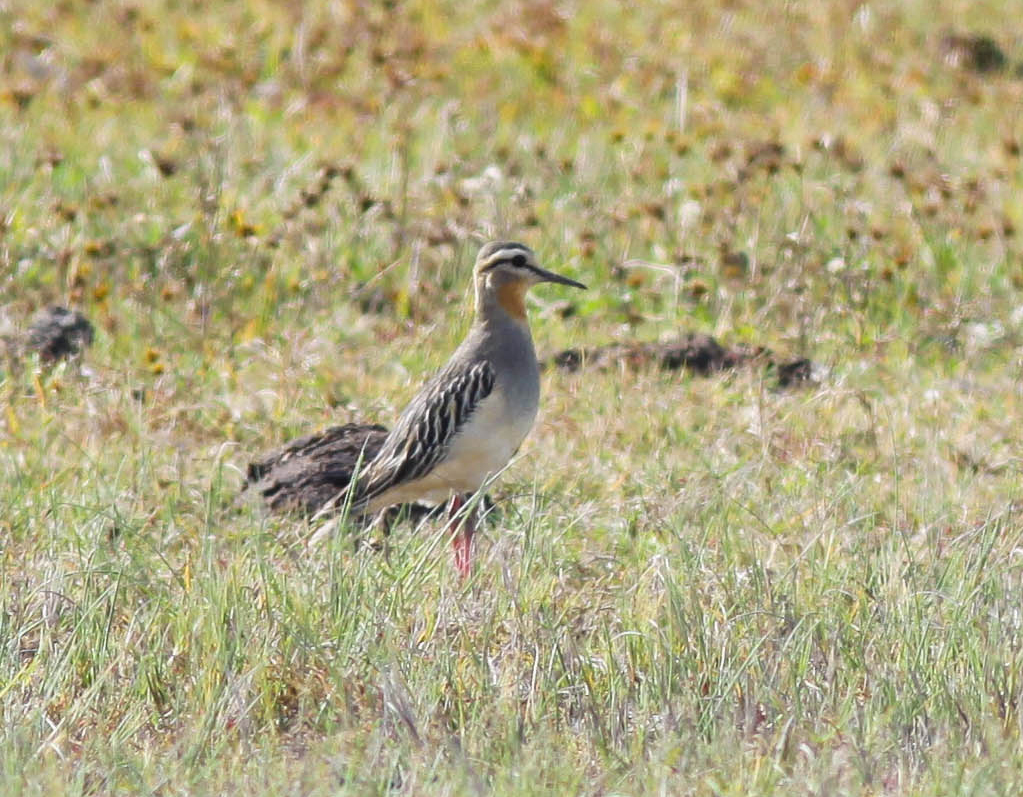


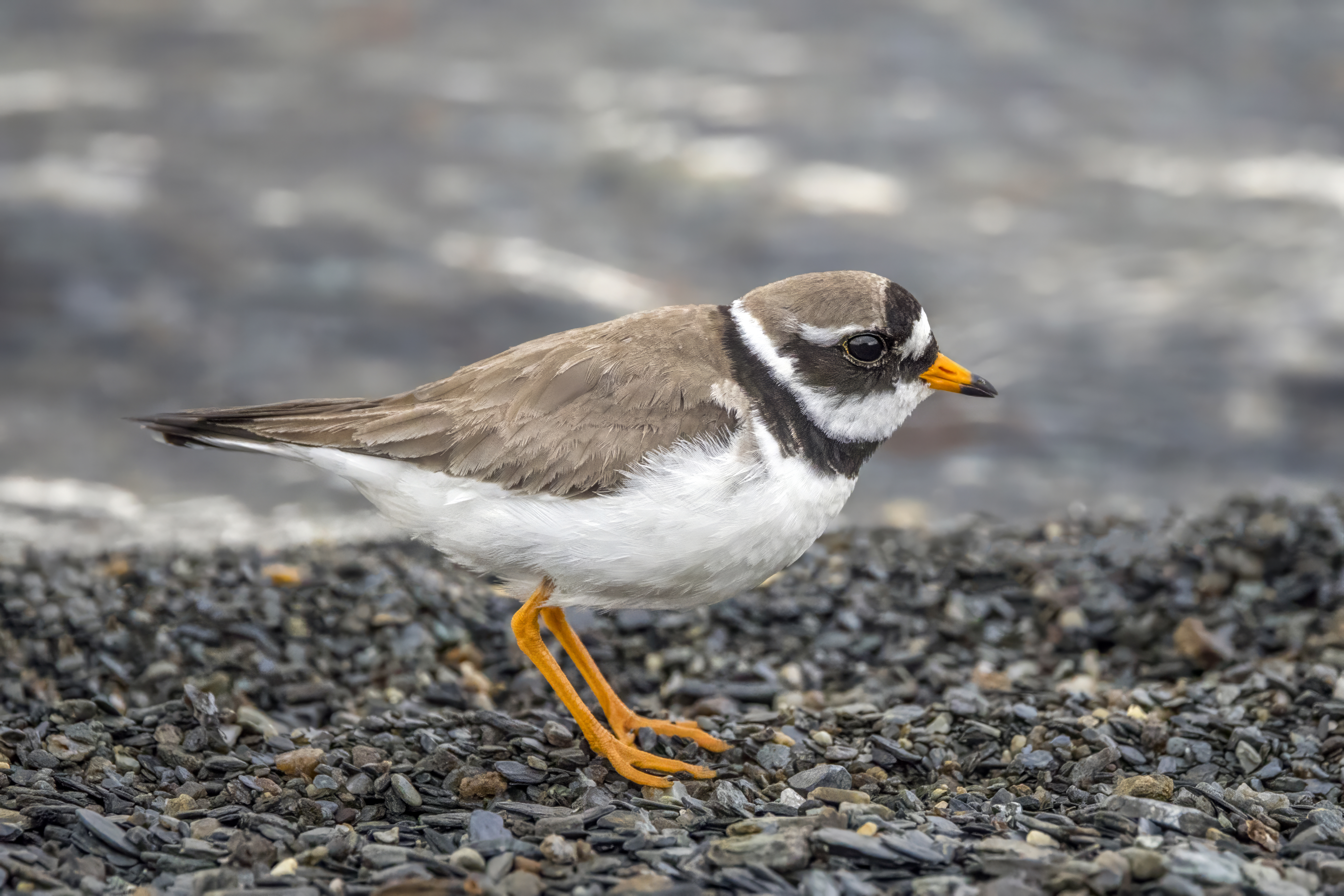
Threatened in Afghanistan

Frequently asked questions
Why is Green Plover classified as Vulnerable?
Where does Green Plover live?
What are the main threats to Green Plover?
Get weekly conservation intelligence
One short digest a week of the most striking species and country data we ship, plus breaking conservation news paired with our database where it matters.
Free, no spam. One-click unsubscribe in every email.