Norfolk Bladder-moss
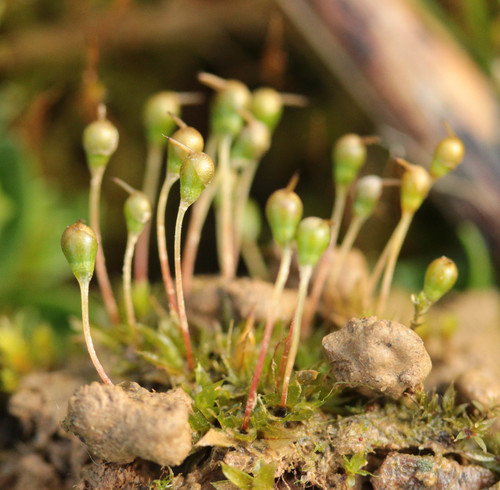
Physcomitrium eurystomum
Overview
A detailed profile for this species is sourced from the IUCN Red List of Threatened Species as assessments become available.
Norfolk Bladder-moss faces severe habitat loss due to agricultural intensification and urban development across its limited range in eastern England. The species is particularly vulnerable to changes in water table levels and soil chemistry, as it requires specific moisture conditions and nutrient-poor substrates. Climate change poses an additional threat through altered precipitation patterns and increased drought frequency, which can desiccate the shallow soils where this moss establishes.
Habitat
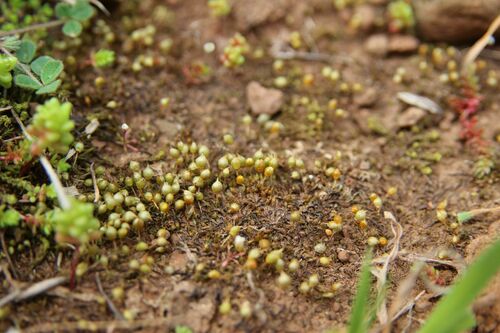
Norfolk Bladder-moss grows on bare, nutrient-poor sandy or chalky soils in open habitats including field margins, tracks, and disturbed ground. It typically colonizes ephemeral sites with seasonal moisture fluctuations, particularly favoring areas with winter flooding followed by summer drying.
Other threatened species in Funariaceae
Frequently asked questions
Why is Norfolk Bladder-moss classified as Endangered?
Where does Norfolk Bladder-moss live?
What are the main threats to Norfolk Bladder-moss?
Get weekly conservation intelligence
One short digest a week of the most striking species and country data we ship, plus breaking conservation news paired with our database where it matters.
Free, no spam. One-click unsubscribe in every email.