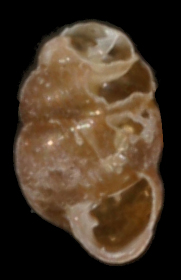
Marsh Whorl Snail
CRCritically Endangered

Marsh Whorl Snail

Vertigo antivertigo

Conservation status data sourced from the IUCN Red List of Threatened Species.

Photo: Wikimedia Commons (CC) via https://en.wikipedia.org/wiki/Vertigo_antivertigo

01Classification

Taxonomy & Classification

Kingdom

Animalia

Phylum

Mollusca

Class

Gastropoda

Order

Stylommatophora

Family

Vertiginidae

Genus

Vertigo

Marsh Whorl Snail belongs to the family Vertiginidae, order Stylommatophora, within the Gastropoda class.

02Description

Species Profile

Species profile data sourced from the IUCN Red List of Threatened Species.

The Marsh Whorl Snail faces severe threats from wetland habitat destruction and degradation due to agricultural conversion, urban development, and drainage of marshes and fens. Climate change-induced alterations to water levels and increased frequency of extreme weather events further threaten the specialized calcareous wetland environments this species requires. Pollution from agricultural runoff and invasive plant species that alter habitat structure compound these pressures on remaining populations.

Key Facts

IUCN StatusCritically Endangered (CR)
GroupMolluscs
03Habitat

Habitat & Distribution

Inhabits calcareous marshes, fens, wet meadows, and other alkaline wetlands with consistent moisture levels and specific vegetation communities. Requires areas with calcium-rich soils and water, typically found in sedge beds, reed swamps, and marshy grasslands.

TERRESTRIALMajor
04Threats

Threats

!

IUCN Red List: Critically Endangered

The Marsh Whorl Snail faces severe threats from wetland habitat destruction and degradation due to agricultural conversion, urban development, and drainage of marshes and fens. Climate change-induced alterations to water levels and increased frequency of extreme weather events further threaten the specialized calcareous wetland environments this species requires. Pollution from agricultural runoff and invasive plant species that alter habitat structure compound these pressures on remaining populations.

Agricultural intensification and conversion

HighOngoing

Climate change and altered hydrology

HighOngoing

Wetland habitat destruction and drainage

HighOngoing

Invasive plant species altering habitat structure

MediumOngoing

Water pollution and eutrophication

MediumOngoing
07National Status

National vs Global Threat Status

How this species is assessed at the national level compared to its IUCN global status (CR).

CountryNational StatusGlobal StatusComparison
EULCLeast ConcernCRCritically EndangeredLower local risk

National Red List data sourced from the National Red List Project (nationalredlist.org, ZSL) and country-specific Red List authorities.

Community

Community Sightings

Report a sighting

No community sightings yet. Be the first to report!

07Sources

Sources & Attribution

How to Cite

IUCN: IUCN (2025). The IUCN Red List of Threatened Species. Version 2025-1. Available at: https://www.iucnredlist.org. doi:10.2305/IUCN.UK.2025-1.RLTS

GBIF: GBIF.org (2025). GBIF Home Page. Available at: https://www.gbif.org

National Red Lists: ZSL (2025). National Red List. Zoological Society of London. Available at: https://www.nationalredlist.org

This page: SpeciesRadar (2025). Marsh Whorl Snail (Vertigo antivertigo). SpeciesRadar: Intelligence for Earth's Biodiversity. Available at: https://speciesradar.org/species/marsh-whorl-snail

Full citation guide & data usage terms