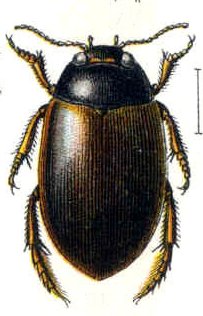
Agabus congener
Photo: Wikimedia Commons (CC) via https://en.wikipedia.org/wiki/Agabus_congener
Overview
A detailed profile for this species is sourced from the IUCN Red List of Threatened Species as assessments become available.
Agabus congener faces severe habitat degradation from peat bog drainage and forestry activities across its Fennoscandian range. Climate change poses an additional threat by altering the hydrology of its specialized bog pool habitats, while acidification from atmospheric pollution degrades water quality in these sensitive ecosystems.
Habitat
This diving beetle inhabits small, acidic pools and shallow waters within pristine sphagnum bogs and peat wetlands. It requires well-oxygenated, oligotrophic waters with dense moss coverage and minimal human disturbance.
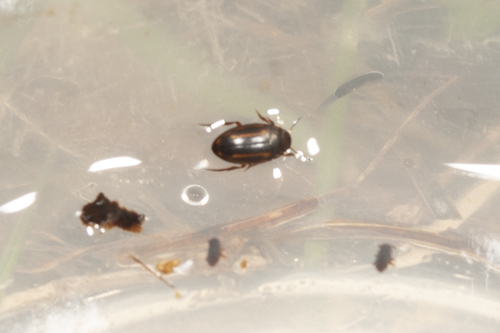
Other threatened species in Dytiscidae
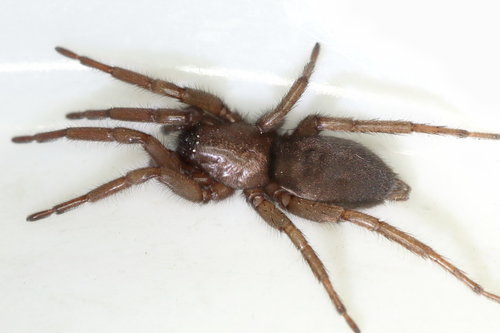
Threatened in Åland Islands


Frequently asked questions
Why is Agabus congener classified as Vulnerable?
Where does Agabus congener live?
What are the main threats to Agabus congener?
Get weekly conservation intelligence
One short digest a week of the most striking species and country data we ship, plus breaking conservation news paired with our database where it matters.
Free, no spam. One-click unsubscribe in every email.