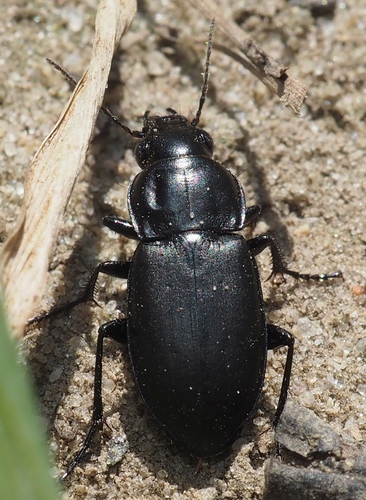
Poecilus punctulatus
Photo: Photo: (c) fauna_mirifica, all rights reserved, uploaded by fauna_mirifica
Overview
A detailed profile for this species is sourced from the IUCN Red List of Threatened Species as assessments become available.
Matt sollöpare faces severe population declines due to intensive agricultural practices and habitat degradation across its range. The species is particularly vulnerable to pesticide use and the conversion of traditional agricultural landscapes to intensive monocultures, which eliminate the diverse microhabitats essential for its survival.
Habitat
Inhabits agricultural landscapes including cultivated fields, field margins, grasslands, and areas with loose, well-drained soils. Prefers open habitats with sparse vegetation where it can hunt for small invertebrates, particularly in traditional farming systems with diverse crop rotations.
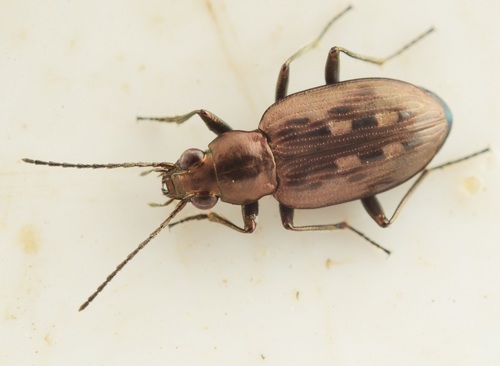
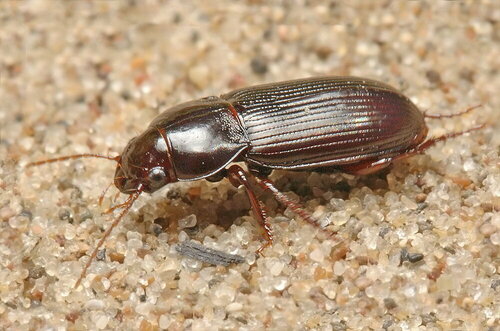
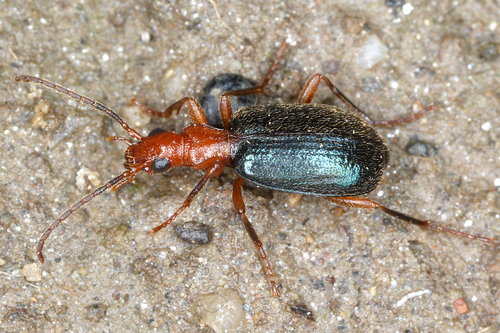
Other threatened species in Carabidae

Frequently asked questions
Why is Poecilus punctulatus classified as Critically Endangered?
Where does Poecilus punctulatus live?
What are the main threats to Poecilus punctulatus?
Get weekly conservation intelligence
One short digest a week of the most striking species and country data we ship, plus breaking conservation news paired with our database where it matters.
Free, no spam. One-click unsubscribe in every email.