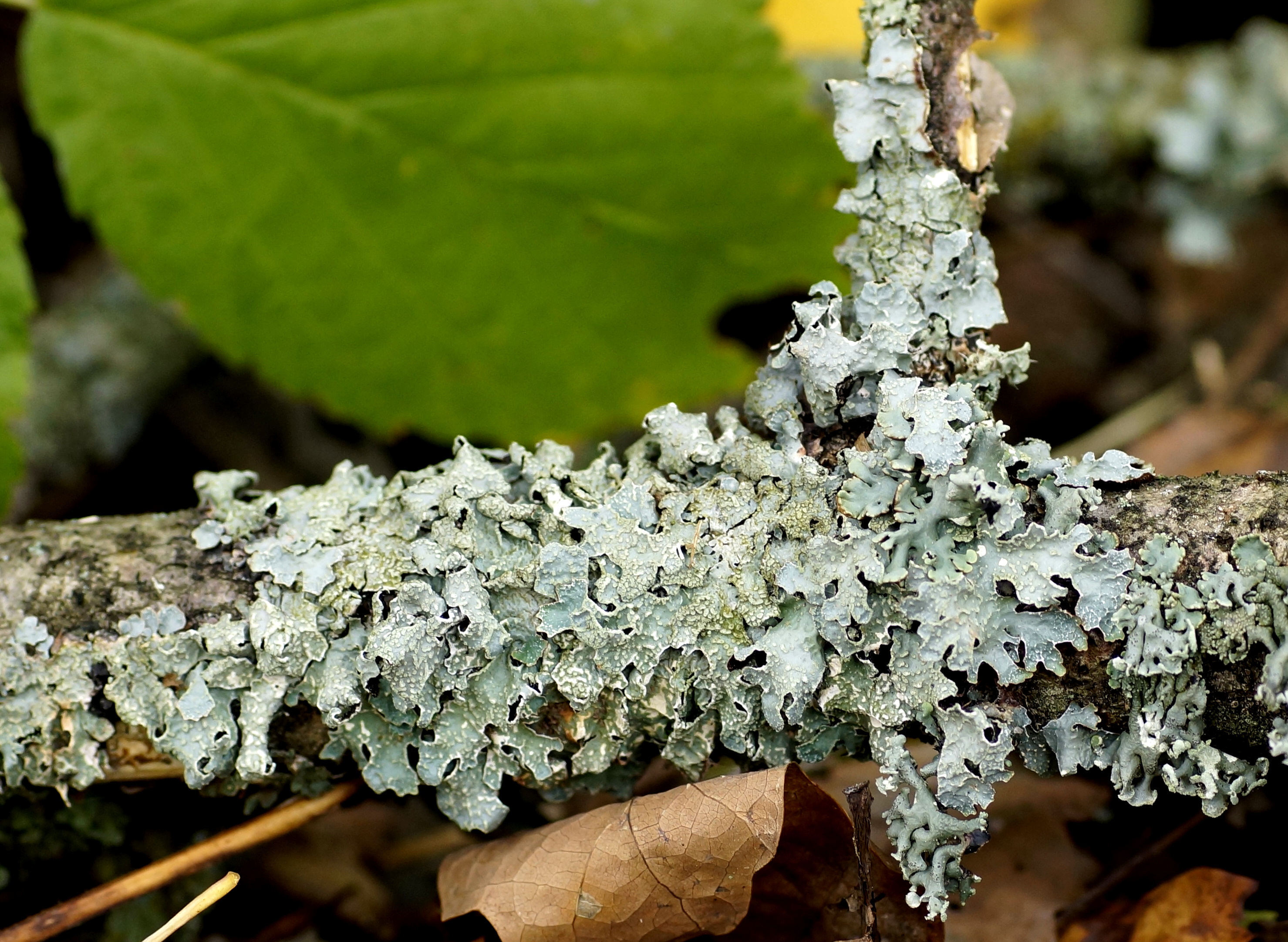
Sea Storm Lichen
Cetrelia olivetorum
Photo: Wikimedia Commons (CC) via https://en.wikipedia.org/wiki/Cetrelia_olivetorum
Overview
Sea Storm Lichen (Cetrelia olivetorum)
Sea Storm Lichen is a foliose lichen species characterized by its olive-green to brownish thallus with distinctive lobed margins. This epiphytic organism forms a symbiotic relationship between fungi and algae, typically growing on the bark of deciduous and coniferous trees. The lichen plays a crucial ecological role as a bioindicator of air quality and provides habitat for various microorganisms and small invertebrates.
This species demonstrates remarkable geographic distribution, occurring across six continents from temperate to subtropical regions. It inhabits diverse terrestrial environments including old-growth forests, urban parks, and coastal woodlands. Notable populations exist throughout Europe, North America, and Asia, with scattered occurrences in South America, Africa, and Oceania. The lichen shows particular affinity for areas with moderate humidity and clean air conditions.
Despite its wide distribution, Cetrelia olivetorum faces mounting pressures from habitat degradation and environmental changes. Air pollution, particularly nitrogen deposition and sulfur compounds, significantly impacts lichen health and reproduction. Urban development and intensive forestry practices reduce suitable substrate availability, while climate change alters precipitation patterns and temperature regimes that affect growth conditions.
Current conservation efforts focus primarily on habitat protection through forest preservation initiatives and air quality monitoring programs. Several countries have included the species in biodiversity surveys and environmental impact assessments. Research continues into the lichen's ecological requirements and pollution tolerance thresholds.
The species' outlook remains uncertain due to insufficient population monitoring data. While its extensive range provides some resilience, ongoing environmental pressures suggest continued vulnerability without targeted conservation interventions and improved air quality standards.
The specific threats to Sea Storm Lichen have not yet been assessed by scientists, so the main dangers this species faces are currently unknown. Without this threat assessment, researchers cannot determine what factors might be causing population declines or putting the species at risk. It is unclear whether threats to this lichen are increasing, stable, or decreasing since no formal evaluation has been conducted.
Habitat
Other threatened species in Parmeliaceae


Threatened in Angola



Frequently asked questions
Why is Sea Storm Lichen classified as Vulnerable?
Where does Sea Storm Lichen live?
What are the main threats to Sea Storm Lichen?
Get weekly conservation intelligence
One short digest a week of the most striking species and country data we ship, plus breaking conservation news paired with our database where it matters.
Free, no spam. One-click unsubscribe in every email.