Species Explorer
Browse and search species from the IUCN Red List and GBIF.
54,666 species
vale zakspin
VUClubiona diversa
Valencia barbel
VULuciobarbus guiraonis

Valencia chub
VUSqualius valentinus
välenfibbla
CRHieracium denigrans
Välenfibbla faces severe threats from habitat loss due to agricultural expansion and urban development in its limited range. Climate change is altering the specific environmental conditions this specialized hawkweed requires, while invasive plant species compete for resources in its fragmented habitat patches.

Valkruidboorvlieg
ENTephritis arnicae
Valle Robber Frog
ENPristimantis cabrerai
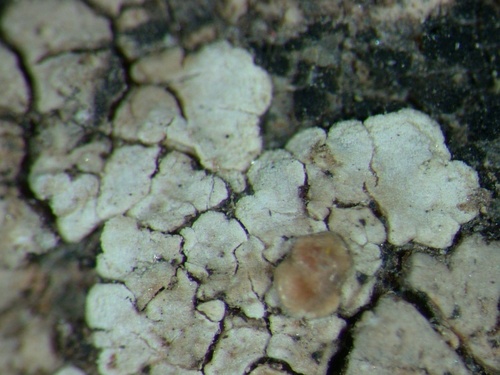
Valois Rim-lichen
CRLecanora valesiaca
Valois Rim-lichen faces severe threats from air pollution and climate change, which alter the atmospheric conditions essential for its survival. The species' extremely restricted distribution in alpine and subalpine environments makes it particularly vulnerable to habitat degradation and environmental changes.
Valse abrikoosjeskorst
VUPachyphiale carneola
Vammel tragtridderhat
CRLeucopaxillus nauseosodulcis
Vammel tragtridderhat faces severe population declines due to habitat destruction from deforestation and agricultural expansion across its limited range. Climate change is altering the specific soil chemistry and moisture conditions this fungal species requires for fruiting, while overcollection by foragers has further reduced viable populations in accessible areas.
van der hammens hangmatspin
ENNeriene hammeni

Vandvæggelus
CRAphelocheirus aestivalis
Vandvæggelus faces severe threats from water pollution, particularly agricultural runoff and industrial contamination that degrades the clean, well-oxygenated waters essential for its survival. Habitat destruction through river channelization, dam construction, and urban development has fragmented populations and reduced available breeding sites. Climate change is altering water temperatures and flow patterns, further stressing this specialized aquatic insect.
vanlig grävkräfta
VUCalocaris macandreae

Vanuatu Scrubfowl
VUMegapodius layardi

Variable Damselfly
ENCoenagrion pulchellum
Variable-leaved Bramble
CRRubus horrefactus
Variable-leaved Bramble faces severe threats from habitat destruction and fragmentation due to agricultural expansion and urban development within its limited range. The species' specialized habitat requirements and small population size make it extremely vulnerable to environmental changes and human disturbance.

Varied Solitaire
VUMyadestes coloratus
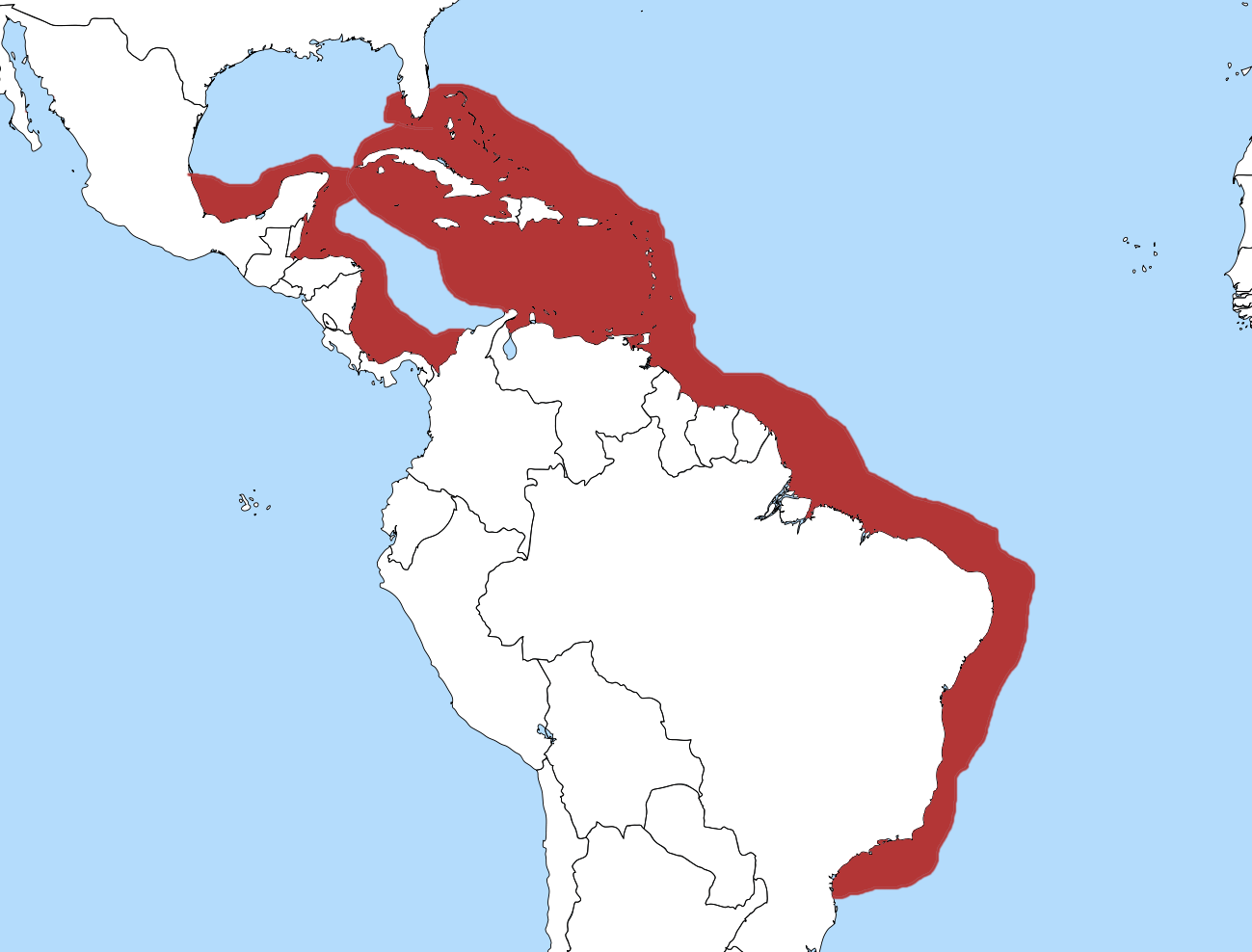
Variegated Electric Ray
VUDiplobatis pictus

Variegated Lady Beetle
ENHippodamia variegata
The Variegated Lady Beetle faces severe population declines primarily due to habitat loss from agricultural intensification and urban development. Pesticide use in agricultural areas has significantly reduced both the beetle populations and their aphid prey, while competition from introduced lady beetle species has further stressed native populations.
Variegated sedge
ENCarex stylosa
varipisarsukeltaja
CRHaliplus varius
Haliplus varius faces severe threats from habitat degradation and loss of suitable aquatic environments. Water pollution, agricultural runoff, and urban development have significantly reduced the quality and availability of the clean, well-oxygenated waters this species requires for survival and reproduction.
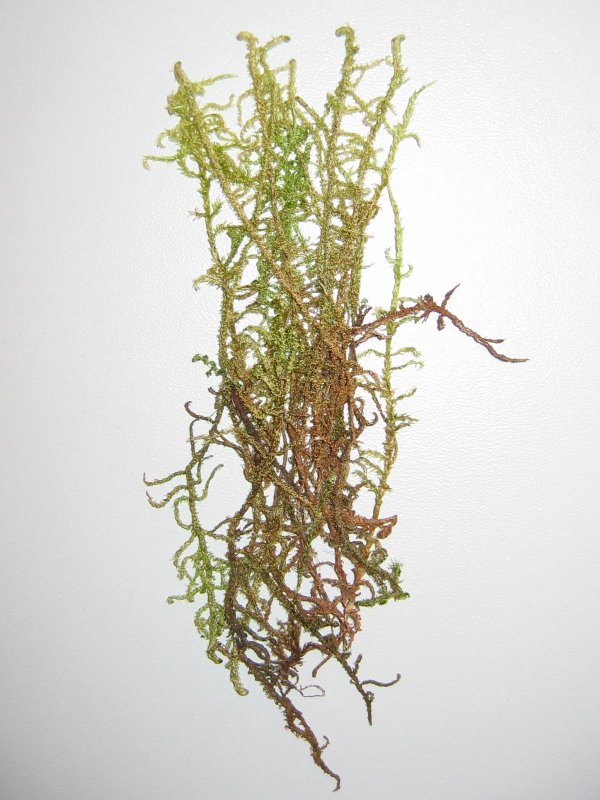
Varnished Hook-moss
VUHamatocaulis vernicosus
vårtsporigt stålskinn
ENXenasma pruinosum
väskindefibbla
ENHieracium prolatatum
vassgeting
ENSymmorphus fuscipes
västgötamaskros
CRTaraxacum vestrogothicum
Taraxacum vestrogothicum faces severe threats from habitat loss due to agricultural intensification and urban development in its limited range. The species' highly restricted distribution and specialized habitat requirements make it extremely vulnerable to environmental changes and human activities that alter or destroy its native grassland ecosystems.
västlig blocklav
ENPorpidia platycarpoides
vattenaloevivel
CRBagous binodulus
Bagous binodulus faces severe population declines due to widespread habitat destruction and degradation of wetland ecosystems across its range. The species' specialized dependence on specific aquatic plant hosts makes it particularly vulnerable to water pollution, invasive species, and climate-induced changes to freshwater systems.
vaxdynlav
VUMicarea adnata
Ved-skivelav
VUTrapeliopsis glaucolepidea
vedåkerskivling
ENAgrocybe firma
vedkantlav
CRLecanora scanica
Vedkantlav faces severe threats from air pollution and acid rain, which directly damage lichen tissues and alter the chemical composition of their substrates. Habitat loss through urbanization and intensive forestry practices has eliminated many suitable host trees and reduced population connectivity across its limited range.
vedlecidella
CRLecidella xylophila
Lecidella xylophila faces severe threats from habitat loss due to deforestation and logging activities that destroy the old-growth forests it depends on. Air pollution and acid rain further degrade the bark substrates essential for this lichen's survival, while climate change alters the specific microclimate conditions required for its growth.
veelvlek-korsetzweefvlieg
VUNeoascia interrupta

veenfluweelzweefvlieg
VUParhelophilus consimilis
veenglimmer
ENOrthonevra intermedia
veenmosrussula
VURussula sphagnophila
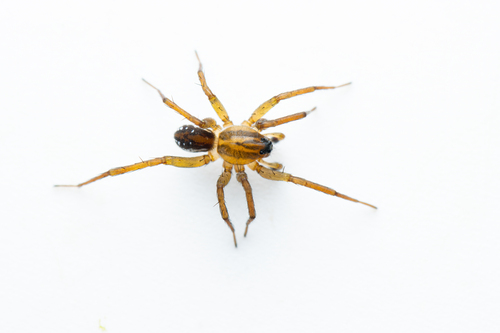
veenpiraat
CRPirata tenuitarsis
The veenpiraat faces severe threats from widespread destruction of its bog habitat through peat extraction, agricultural conversion, and wetland drainage. Climate change and pollution from agricultural runoff further degrade the specialized oligotrophic conditions this species requires for survival.
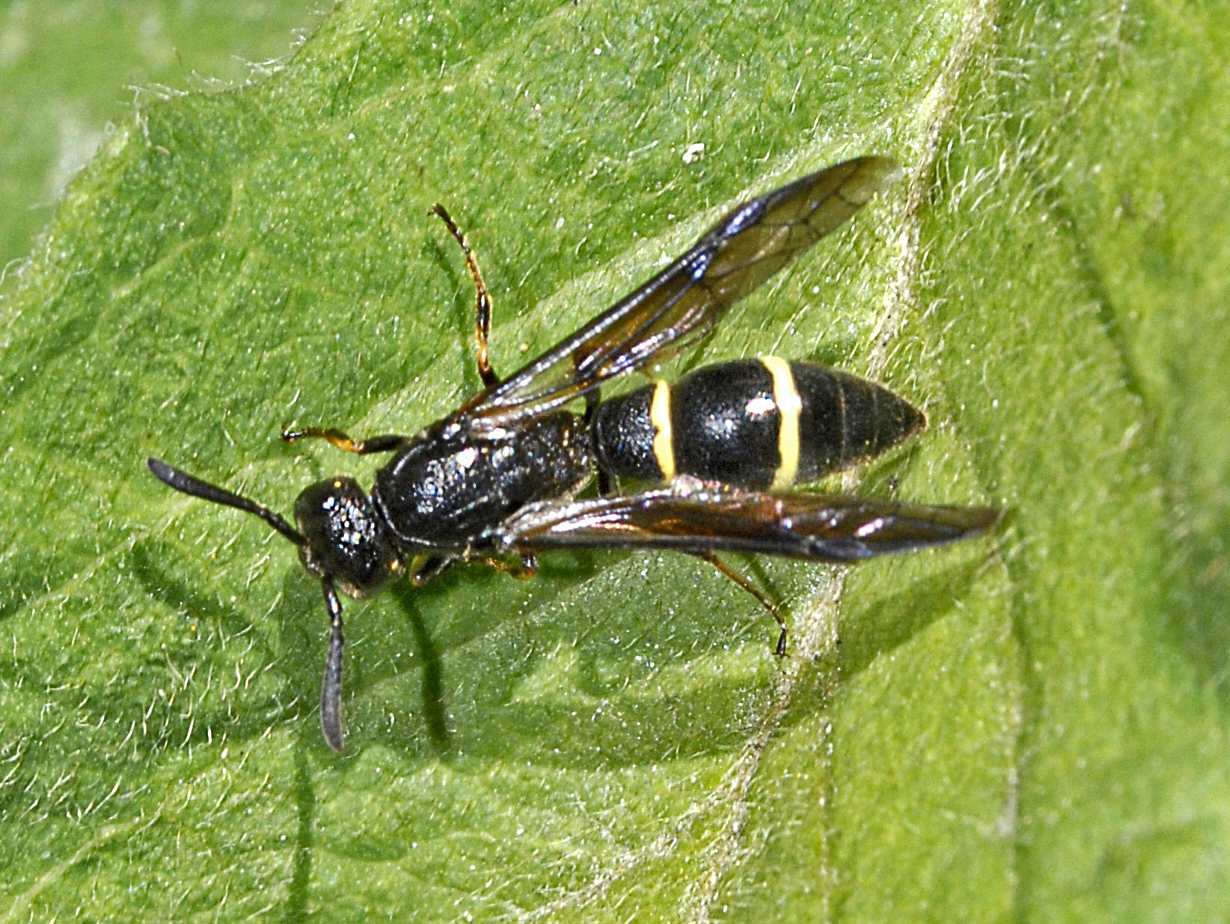
veggvedveps
VUSymmorphus allobrogus

Veiled Oyster
VUPleurotus dryinus

Veiled Purple Waxcap
VUHygrophorus purpurascens

Veilwort
CRPallavicinia lyellii
Veilwort faces severe threats from habitat destruction and degradation of its specialized wetland environments. This delicate liverwort is particularly vulnerable to water pollution, drainage of wetlands, and climate change impacts that alter moisture regimes essential for its survival.
Vélar droit
ENErysimum strictum
veldjesschotelkorst
VULecanora soralifera
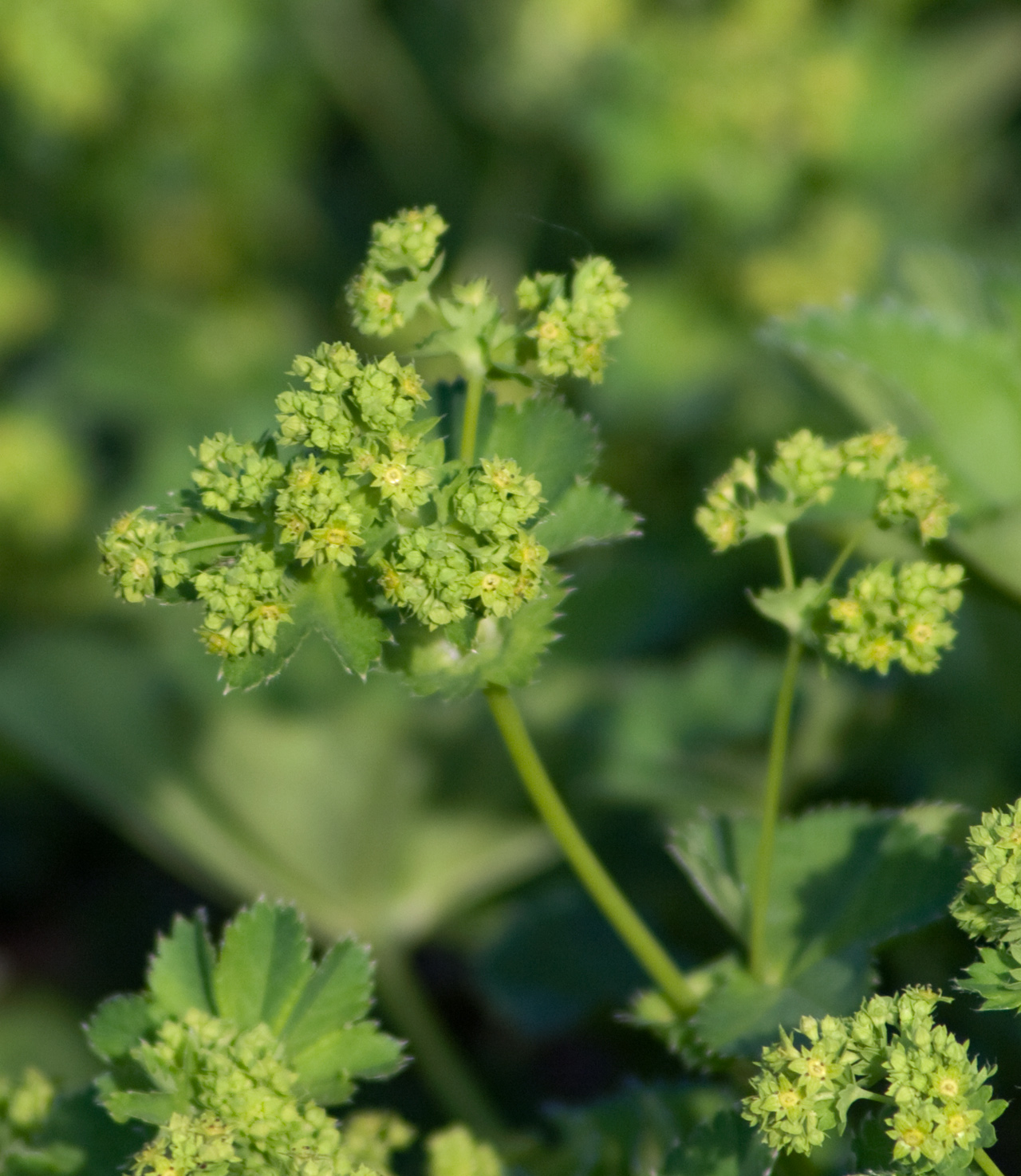
Velvet Lady's Mantle
ENAlchemilla monticola

Velvet Tooth
ENHydnellum spongiosipes
![Venezuelan Slider [chichiriviche]](https://upload.wikimedia.org/wikipedia/commons/d/df/Trachemys_callirostris.jpg)
Venezuelan Slider [chichiriviche]
VUTrachemys callirostris
vensterwaterroofkever
ENIlybius fenestratus
Venus' Chariot
CRAconitum napellus
Venus' Chariot faces severe population declines due to habitat destruction from agricultural expansion and urban development in its native mountain regions. Over-collection for traditional medicine and ornamental purposes has further depleted wild populations, while climate change threatens the cool, moist conditions this alpine species requires.

Venus's-looking-glass
CRLegousia hybrida
Venus's-looking-glass faces severe population declines due to intensive agricultural practices and habitat loss across its range. The species is particularly vulnerable to herbicide use, changes in traditional farming methods, and the conversion of arable land to intensive monocultures that eliminate the disturbed soil conditions this annual plant requires for germination and establishment.
Veranderlijke satijnzwam
VUEntoloma olivaceotinctum