Vammel tragtridderhat
Leucopaxillus nauseosodulcis
Overview
A detailed profile for this species is sourced from the IUCN Red List of Threatened Species as assessments become available.
Vammel tragtridderhat faces severe population declines due to habitat destruction from deforestation and agricultural expansion across its limited range. Climate change is altering the specific soil chemistry and moisture conditions this fungal species requires for fruiting, while overcollection by foragers has further reduced viable populations in accessible areas.
Habitat
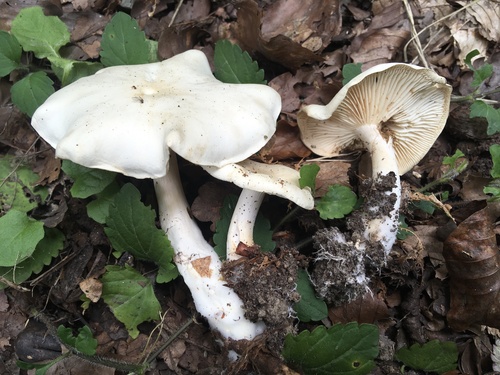
This species occurs in mature deciduous and mixed forests with calcareous soils, typically forming mycorrhizal associations with beech, oak, and other hardwood trees. It requires specific soil pH conditions and undisturbed forest floor environments with deep leaf litter layers.
Other threatened species in Tricholomataceae


Frequently asked questions
Why is Vammel tragtridderhat classified as Critically Endangered?
Where does Vammel tragtridderhat live?
What are the main threats to Vammel tragtridderhat?
Get weekly conservation intelligence
One short digest a week of the most striking species and country data we ship, plus breaking conservation news paired with our database where it matters.
Free, no spam. One-click unsubscribe in every email.